Why Microschools Are Rising in Education

Across the U.S., more families are choosing microschools as an alternative to traditional education. Large classrooms often leave children feeling overlooked, with limited personalized attention and standardized testing that doesn’t reflect their true abilities. Microschools, offering smaller, tailored learning environments, are growing rapidly. According to the National Microschooling Network, there are nearly 95,000 microschools in the country.
Why is this trend rising? Parents want education that meets their child’s unique needs with more flexibility and less red tape. In this blog, we’ll explore the rise of microschools, the factors driving their success, and how to determine if this model is the right fit for your child.
At a glance
Microschools (5-15 students) are booming nationwide, serving 1.5M+ students, as parents seek alternatives to overcrowded classrooms and rigid schedules.
The boom is driven by: demand for personalized learning, tech-enabled models, affordable school choice policies (ESAs), teacher autonomy, and the pandemic proving small-group learning works.
The key to success? Curriculum quality. Multi-age classrooms need developmentally aligned materials, not grade-based textbooks. Founders lack time to create everything from scratch—curriculum matters more than class size.
When choosing a microschool, focus on their educational philosophy, screen time balance, personalized learning, and proven curricula like TSHA’s American Emergent Curriculum.
Whether homeschooling, launching a microschool, or traveling, TSHA provides a flexible, hands-on Pre-K-6 curriculum that supports microschools anywhere—no teaching degree required.
What Are Microschools?
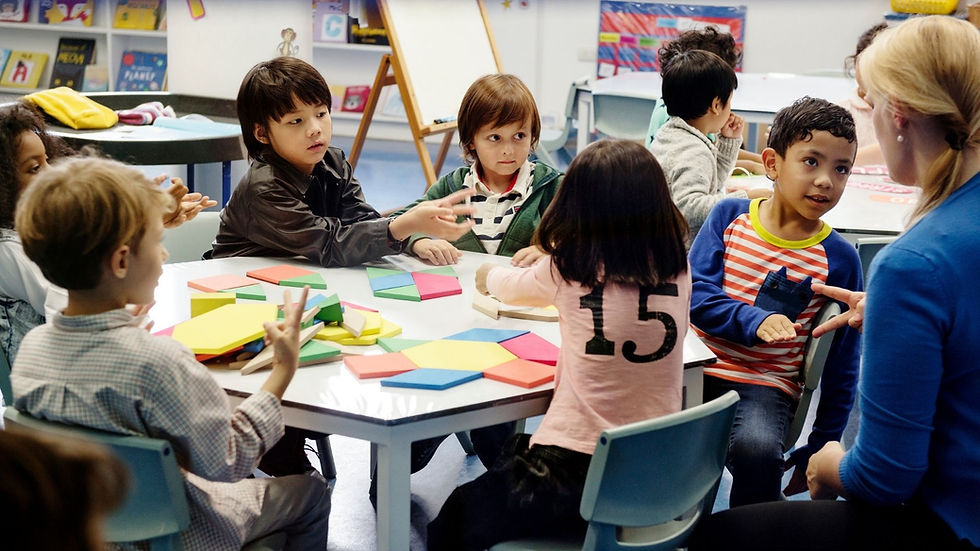
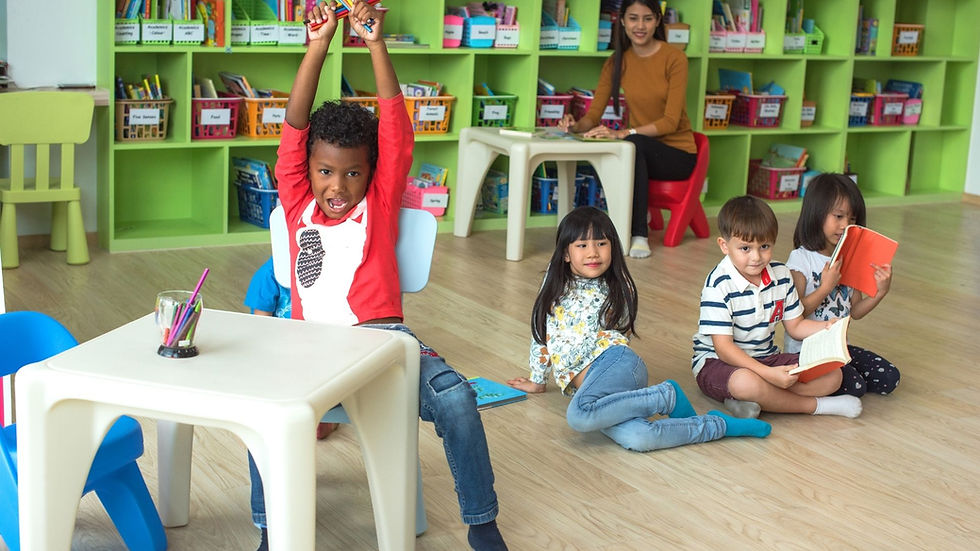
Microschools are small learning communities with 5-15 students in multi-age classrooms. They focus on personalized learning paths, not grade-level progressions.
These schools operate in non-traditional spaces like homes, community centers, or storefronts. They’re led by educators, parents, or entrepreneurs seeking more control over learning.
Key characters:
Size: Small, intimate settings
Philosophy: Student-centered, project-based learning
Approach: Less focus on standardized tests, more on exploration and hands-on projects
The most successful microschools share one thing in common: a flexible, high-quality curriculum that adapts to diverse learners without requiring educators to reinvent the wheel every day.
Next, let’s see why the trend of microschool is booming.
Why Microschools Are Rising: Five Forces Driving the Movement

Microschools are growing rapidly, driven by several converging forces reshaping American education. These forces reflect a shift in what families need, what technology enables, and what policies allow.
The Pandemic Revealed New Possibilities
When schools shut down during the pandemic, many families formed learning pods, small groups of children learning together in non-traditional settings. These pods showed that children thrive in smaller, more intimate environments, with fewer distractions and more personalized attention.
While microschools existed before the pandemic, the crisis helped normalize the idea. Today, interest in microschools continues to rise as more families see them as a viable and preferable option for their children.
Parents Demand Personalized Education
Traditional schools follow a rigid model based on age, not readiness. Students move through grades at a set pace, with little room for individual learning needs. Naturally, many students fall behind or become disengaged.
Parents want an education that adapts to their children. As a result, a 2024 survey showed 72% of parents considered other school options, a 35% increase from two years ago.
Microschools offer personalized learning, allowing students to progress at their own pace.
Technology Supports New Learning Models
Digital tools have made personalized learning more accessible. AI-powered platforms can track and address learning struggles, while online resources expand learning options.
However, the best microschools use technology to support, not replace, in-person, hands-on experiences. Children in microschools learn by doing, conducting science experiments, cooking to practice math, and engaging in real-world tasks, rather than spending hours on digital worksheets or videos.
School Choice Policies Are Expanding Access
Education Savings Accounts (ESAs), which allow public education funds to be used flexibly for alternative schooling options and school choice policies, have made microschools more affordable and accessible to a wider range of families. States like Arizona, Florida, and Tennessee now allow public education funds to be directed toward microschooling.
The average cost to educate a child in a microschool is $6,500 annually, much lower than the $15,000 spent in traditional public schools. As more states pass school choice legislation, funding for microschools grows, making them an option for families who couldn’t otherwise afford private education.
Educators Seek Autonomy and Innovation
Teacher burnout is a major issue in traditional schools. Many educators are frustrated by heavy administrative burdens and the pressure to teach to standardized tests.
Microschools offer teachers the opportunity to design their own curriculum and teaching methods. Over two-thirds of microschool founders are former teachers who want to create a better learning experience with freedom and creativity.
As a result, microschools are becoming a significant educational choice, providing personalized, flexible learning for both students and teachers.
However, this cultural shift goes deeper than logistics. Families are now questioning fundamental assumptions about what school should look like, how learning should happen, and who decides what's best for their children.
Also Read: Is Microschool Right For Your Child?
Why Curriculum Quality Matters for Microschool Success

While personalization, flexibility, and community are often highlighted, the most critical factor in a microschool's success is its curriculum. Without a strong curriculum, even the best microschool struggles to deliver consistent, quality education.
Here’s why curriculum is crucial in microschools:
Small Class Sizes: In microschools, the curriculum's impact is amplified. Unlike traditional schools, microschools don't have a backup of department heads or curriculum coordinators to fill gaps. What you choose is what children learn.
Multi-Age Classrooms: A curriculum designed for single-grade classrooms doesn't work in multi-age settings. Materials need to be developmentally aligned, not grade-bound.
Time Constraints for Founders: Microschool founders juggle many tasks, including teaching, operations, communication, and finances. Creating a comprehensive curriculum from scratch isn’t feasible.
Academic Rigor: Parents worry about whether alternative schooling will prepare their children for future education. A strong curriculum provides clarity on learning progressions and developmentally appropriate milestones.
Portability: For families who travel or relocate frequently, a curriculum that works anywhere, regardless of location, is essential.
But what actually makes a great curriculum for microschools?
What Makes a Great Microschool Curriculum?
When choosing a curriculum for a microschool, look for these qualities:
Developmentally Aligned: The curriculum should match children's actual learning stages, not just grade levels.
Flexible and Adaptable: It should work for multi-age groups and allow children to progress at their own pace.
Hands-On and Experiential: Real-world learning must be central. Children should explore, experiment, and connect learning to life.
Portable: The curriculum should work anywhere, without reliance on specific locations or tech-dependent resources.
Secular and Inclusive: It should be free from religious content and responsive to diverse cultures.
Comprehensive Yet Simple: Materials should be rigorous but easy to implement for non-certified educators.
Project-Based: Encourage creativity, critical thinking, and problem-solving through meaningful projects.
Community-Oriented: Promote collaborative learning and shared experiences.
This is why The School House Anywhere (TSHA) offers the American Emergent Curriculum (AEC), designed specifically for the kind of flexible, personalized learning that microschools offer.
However, choosing the best microschool for your children is the toughest job ever.
How to Choose the Right Microschool for Your Child: 10 Essential Tips

Not all microschools are created equal, and curriculum quality plays a crucial role in outcomes.
Here are 10 practical tips to help you evaluate whether a microschool is truly the right fit for your family:
Tip 1: Understand Their Educational Philosophy
Ask, “What is your educational philosophy?” Look for clear, specific answers, Montessori, classical, project-based, or progressive education. If the school can’t explain it clearly, that’s a red flag.
What to do: Research different philosophies before your visit to ask informed follow-up questions.
Tip 2: Evaluate How They Balance Structure and Flexibility
Microschools should balance structure and flexibility. Too much structure limits personalization; too little causes chaos. Ask, “How do you balance structure and flexibility in your daily schedule and curriculum?”
Red flag: Schools that are either too rigid (“Everyone does the same thing at the same time”) or completely unstructured (“Kids just do whatever they want”).
Tip 3: Ask for Specific Examples of Personalization
Don't settle for vague promises about "personalized learning." Ask concrete questions like, “How do you handle a child who’s advanced in reading but needs support in math?” or “What happens if my child’s interests diverge from planned activities?”
Green flag: Educators share real stories of how they’ve personalized learning for different students.
Tip 4: Investigate the Curriculum Quality
Ask, “What curriculum do you use?” A well-designed curriculum like AEC provides clear learning progressions. Grade-based curricula don’t work well in multi-age microschools. Follow up with, “Is it developmentally aligned or grade-based?”
What to watch for: If educators seem unsure about their curriculum or can’t explain the scope and sequence, that’s concerning.
Tip 5: Check the Screen Time Balance
Ask, “What’s the balance between screen time and hands-on learning?” If most learning is on devices, that’s a concern, especially for younger children. Hands-on experiences are essential for deep learning.
Red flag: Classrooms where kids spend most of their time on tablets or computers.
Green flag: Schools that use technology as a tool but prioritize hands-on learning and outdoor experiences.
Tip 6: Observe How They Build Community Across Ages
Multi-age classrooms are powerful, but they require intentional planning. Ask, “How do you build community across age groups?” Look for mentoring, collaborative projects, or mixed-age activities.
What to do: If possible, observe a class session to see how students of different ages interact.
Tip 7: Understand Parent Involvement Expectations
Microschools often rely on parent participation. Ask, “How are parents involved? What’s expected versus optional?” Understand the level of commitment required, especially if you have a busy schedule.
Important: Make sure the school’s expectations align with your availability.
Tip 8: Verify Teacher-Student Ratios and Educator Qualifications
Ask, “What’s your teacher-student ratio?” A lower ratio (like 1:5) offers more individualized attention. Also, ask about educator qualifications, whether they have teaching experience or specific expertise in certain areas.
Green flag: Teachers with education backgrounds, passion for teaching, and ongoing professional development.
Tip 9: Get Clear on All Costs and What Happens If You Move
Ask, “What are the total costs, including tuition, materials, activities, and any expected parent contributions?” Also, check if they accept Education Savings Accounts (ESAs) if that’s relevant.
For traveling families, ask, “What happens if we need to relocate? Can our child continue their learning progression elsewhere?”
What to do: Get the full financial picture in writing, including costs and payment policies.
Tip 10: Trust Your Instincts
After gathering all the information, trust how you feel. Does the school seem like a place where your child will thrive? Does it feel like a partnership between you and the educators?
What to do: If something feels off, even if you can't pinpoint it, continue your search. The right microschool should feel like a partnership, not just a service.
You've learned why microschools are rising and how to choose the right one for your family. Now here's the piece that ties it all together: the curriculum foundation that makes microschools truly succeed.
Also Read: Catholic Microschooling Success Guide
How TSHA Empowers Microschools with the Right Curriculum Foundation
The School House Anywhere (TSHA) was designed specifically for the kind of flexible, personalized learning that microschools offer. It's not adapted from traditional classroom materials. It was built from the ground up for Pre-K through 6th-grade learners in small, multi-age, community-based settings through the American Emergent Curriculum framework.
When you choose TSHA, here’s what you get:
Developmentally Aligned, Not Grade-Bound: AEC offered by TSHA adapts to children's actual developmental stages, not arbitrary grade levels. It supports a seven-year-old advanced in reading but needing help with math, making it ideal for multi-age classrooms.
Hands-On Learning, Not Screen-Based: TSHA focuses on real-world learning through exploration, projects, and hands-on activities. Unlike digital-based curricula, it reduces screen time and boosts meaningful engagement.
Completely Portable: TSHA moves with you. Whether you’re in Austin or Thailand, it doesn’t rely on local resources or stable internet, ensuring continuous education no matter where you go.
Ready to Implement: You can use TSHA effectively without a teaching degree. The materials guide parents and educators through clear learning objectives, hands-on activities, and rich resources like films, printables, and project ideas.
Packaged 6-Week Learning Sessions: Deep dive into complex topics with structured modules that allow extended focus and exploration
Custom Printable Materials and Worksheets: Resources specifically designed to complement the curriculum and reinforce learning
Online Progress Tracking and Portfolio Management: Tools that help organize lessons, track student progress, and maintain records for legal compliance
TSHA Member Site Access: Exclusive portal with additional resources, tools, and community connection
LIVE Educator and Founder Gatherings: Weekly online sessions to discuss curriculum, share insights, and get questions answered
Live Scheduled Office Hours: Real-time support for personalized help whenever you need it
Online Social Media Network and Support: Connect with other TSHA users for guidance, ideas, and collaborative learning
24/7 Support Access: Round-the-clock help for curriculum questions, troubleshooting, and implementation guidance
Parents choose microschools for rigorous, developmentally appropriate education.
TSHA delivers that confidence, offering more than just a smaller version of traditional schooling.
Final Words!
As more states pass school choice legislation, educators seek autonomy, and families prioritize personalized learning, the microschool sector will continue to expand. For this vision to succeed, microschools need a curriculum that is portable, hands-on, and developmentally aligned with how children learn.
The American Emergent Curriculum from The School House Anywhere was created to support families and educators navigating these challenges. It provides a developmentally aligned, hands-on, portable framework that makes microschools thrive.
Ready to take the next step? Visit The School House Anywhere to explore how our curriculum supports microschools and homeschoolers. See sample materials, explore 6-week learning sessions, and connect with a community of families and educators who’ve chosen a different path.
Frequently Asked Questions
1.Are microschools accredited?
Most microschools are not accredited through traditional channels, though some pursue specialized accreditation. They typically operate under homeschool regulations, which don’t require accreditation. Focus on curriculum quality, philosophy, and teacher qualifications.
2.Can my child return to traditional school after attending a microschool?
Yes. Students can transition back, though you may need to provide documentation of completed work. Microschools using comprehensive curricula like TSHA’s ease the process with clear learning progressions and records.
3.Do microschools follow state education standards?
This varies by state and microschool. Some align with state standards, while others follow alternative frameworks. Ensure the school provides a comprehensive, developmentally appropriate education.
4.What happens if the microschool closes mid-year?
Ask about the school’s sustainability plan before enrolling. Many microschools maintain connections with others for transition options. Schools using established curricula, like TSHA’s, make transitions smoother.
5.Can microschools prepare students for college?
Yes. While high school microschools are less common, students can still pursue college. They may need to take standardized tests and provide portfolios or transcripts. Many colleges value the self-directed learning microschool students bring.

Comments