Microschools in Arkansas: Your Complete Guide to Education Choices

Arkansas families are choosing different paths for their children's education. Over 32,000 students are now homeschooling in the state, and nearly 120 microschools have registered through the Educational Freedom Accounts program. This shift tells us something important: parents want more personalized, flexible learning options for their kids.
We understand that navigating the many education choices available today can feel overwhelming and confusing for families seeking the best fit for their unique needs.
Traditional schools work well for many families, but they're no longer the only choice. Parents across the state are finding success with smaller learning environments that focus on individual needs. In this blog, we'll explore what microschools are, how they work in Arkansas, and the options available to your family.
Quick Overview
Microschools are small private learning institutions serving 10-25 students with personalized, mixed-age education. Arkansas now has 96 registered microschools serving approximately 1,500 students.
Arkansas' Educational Freedom Accounts provide $6,864 per student annually for qualifying families. By 2025-2026, all K-12 students will be eligible, making microschools financially accessible to most families.
Students receive 90% of the state funding allocated to public schools, totaling $6,864 per student this school year, which families can access through the Educational Freedom Accounts program by meeting eligibility requirements.
Visit multiple microschools, ask about educational philosophy and teacher qualifications, check alignment with your family's values, and talk to current families before deciding.
Educators can launch microschools by registering with the EFA program, meeting teacher qualification requirements, choosing a comprehensive curriculum, and recruiting families from their community.
What Are Microschools?
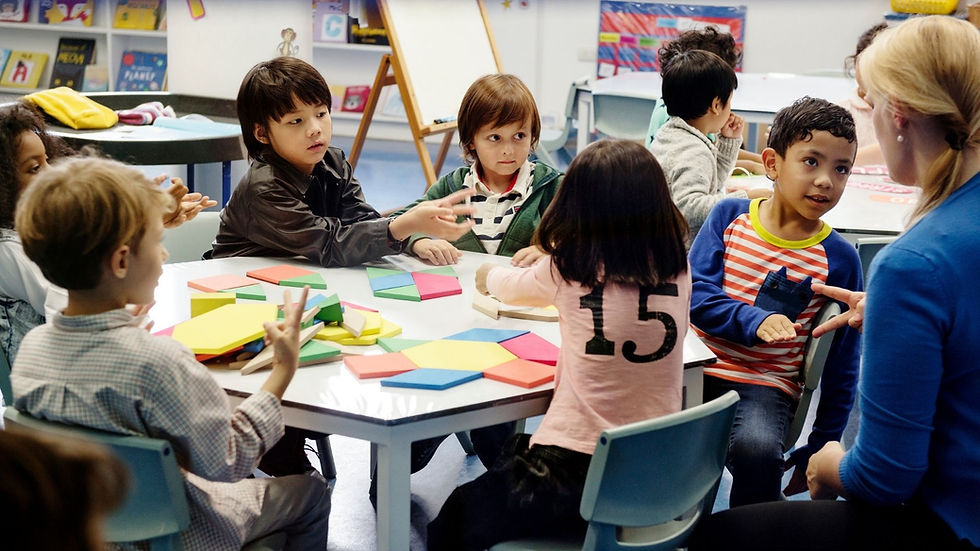
Think of a microschool as a small classroom with strong possibilities. These learning spaces flip the traditional school model on its head, creating intimate environments where every child is known and supported. Instead of moving through a system, children grow within a community.
These are small private learning institutions that serve multiple families in a community setting. Most have 10 to 25 students of mixed ages learning together. Teachers, often called guides or facilitators, work with each child based on their unique learning style.
Unlike traditional schools with hundreds of students, microschools create close-knit communities. Parents often communicate directly with educators. Students get personalized attention. Learning happens at each child's pace, not based on arbitrary grade-level expectations.
Recent research estimates that microschools serve between 1 million and 2 million students full-time nationwide. This movement gained momentum during the pandemic when families sought alternatives to traditional schooling.
Arkansas Microschools: The Current Landscape
Arkansas has become one of the most microschool-friendly states in the country. The state's commitment to educational choice has created fertile ground for these small learning communities to take root and flourish. Families now have access to nearly 100 registered microschools, each offering something unique.
As of the 2024-2025 school year, 126 microschools are registered in Arkansas' Educational Freedom Accounts program, with five pending review. These schools serve approximately 1,500 students who receive funding through the program.
The state's LEARNS Act, passed in 2023, changed everything for alternative education. This legislation created the Children's Educational Freedom Account Program, which provides families with direct access to public funds for private education.
Top Microschools in Arkansas

Here's a look at some established microschools serving Arkansas families. Each school brings its own philosophy and approach to education, giving you options to find the right match. These microschools represent a range of models and teaching styles, from faith-based to child-led.
1. Star City Christian Academy
Location: Star City, Arkansas
Star City Christian Academy set its tuition at $6,800 per year, exactly matching the Educational Freedom Account scholarship amount. This strategic pricing decision means qualifying families pay nothing out of pocket, removing financial barriers to quality private education. The academy demonstrates how microschools can leverage state funding to serve diverse communities.
The academy serves 67 students from diverse racial and socioeconomic backgrounds. Co-director Rebecca McGee, a veteran public school teacher, brought her experience to bear on creating a personalized learning environment. The school uses the Stanford Achievement Test for assessment, valuing consistency over the frequent changes in state tests.
2. ACRES (Brookland)
ACRES opened in 2023 as a new microschool serving the Brookland community. This school represents the fresh wave of educational innovation happening across Arkansas, where passionate educators are creating alternatives to traditional schooling. Their approach blends structure with freedom, giving children the best of both worlds.
This school focuses on self-paced, mastery-based learning in reading and math. Students also get ample opportunities for exploration and project-based learning. Families register as homeschoolers but come together for mixed-age learning with a Socratic teaching style.
The Socratic method encourages students to ask questions and think critically rather than memorize facts. Children learn to discuss ideas, defend their reasoning, and respect different viewpoints.
3. The Decker School
Location: Central Arkansas
The Decker School reimagines education through child-led exploration. Unlike traditional schools, where adults control every aspect of learning, this microschool trusts children to follow their curiosity and develop genuine understanding. The philosophy recognizes that lasting learning comes from within, not from external pressure.
This microschool offers flexibility for different family needs. Families can enrol part-time while maintaining their homeschool status or enrol in a full-time program. The child-led approach means students have significant input in what and how they learn.
When children drive their own education, they develop intrinsic motivation. They learn because they're curious, not because a test is coming up.
4. Prenda Microschools
Prenda operates multiple microschools throughout Arkansas. This network model brings consistency and support to the microschool movement, making it easier for guides to launch their own learning spaces. Prenda handles the heavy lifting of curriculum and operations while allowing each microschool to maintain its unique community feel.
Prenda was supporting five microschools going live in Arkansas for the 2025-26 school year. This network provides the infrastructure, curriculum, and support for "guides" (teachers) to run their own small schools.
Prenda's model allows both certified teachers and passionate community members to become microschool leaders. No teaching credential is required. The company provides training, curriculum, and administrative support so guides can focus on student learning.
The annual cost through Prenda is $2,199 per student plus an additional guide fee set by each microschool leader.
5. The Learning Connection
This homeschool support center works with families throughout their educational journey. While not exclusively a microschool, it represents the blurred lines between homeschooling and microschooling that many Arkansas families navigate. The center creates community without sacrificing the flexibility that homeschoolers value.
The Learning Connection provides resources, community, and guidance for homeschooling families. They offer co-op classes, field trips, and social opportunities while families maintain control of their children's education.
6. The Learning Hub
The Learning Hub is more than a microschool; it's a community dedicated to reimagining education. This space welcomes families who believe learning should look different from what most of us experienced as children. The hub model fosters collaboration while respecting each child's individual path.
This Arkansas microschool creates mixed-age learning environments where children collaborate on projects and develop real-world skills. The focus is on building competencies rather than checking boxes on grade-level standards.
7. Word of Outreach Christian Academy
Location: Little Rock, Arkansas
Word of Outreach Christian Academy serves approximately 55 students in the Little Rock area. This faith-based microschool demonstrates that successful microschools don't need to rely entirely on Educational Freedom Accounts. While eight students use EFA funding, the majority of families pay tuition directly, showing the school's strong community support and commitment to its mission.
Pastor Aaron D. Agnew Sr. leads the academy, emphasising the integration of academic excellence and Christian values. The school's independence from complete reliance on EFA gives it flexibility in enrollment and programming decisions.
8. Creative Wonders Educational Services
Location: Texarkana, Arkansas
Creative Wonders Educational Services represents the entrepreneurial spirit driving Arkansas' microschool movement. Founded by LaTericka Andrews, this microschool secured a certified teacher with over 15 years of experience and built strong community relationships. The school is registered to participate in the Educational Freedom Accounts program and stands ready to serve families.
Creative Wonders shows both the opportunity and challenge of launching new microschools. While the infrastructure and quality of teaching are in place, recruitment remains the key hurdle for new schools entering the market.
Learn how The School House Anywhere provides comprehensive curriculum support for families and educators starting their own microschools.
Understanding Arkansas Microschool Regulations

Arkansas defines microschools clearly in its Educational Freedom Account program rules. Understanding these regulations helps families make informed decisions and allows educators stay compliant. The state has created a framework that balances accountability with the flexibility that makes microschools attractive.
A microschool is a tuition-based organization that simultaneously serves homeschool students in the same space and employs instructors or facilitators. The rules specify that a microschool is not a learning pod, daycare facility, or private school; it's its own category.
Registered microschools must teach core academic subjects: math, English language arts, social studies, and science. They need teachers with bachelor's degrees or equivalent experience. Background checks and fingerprinting are required for all staff.
Unlike traditional public schools, microschools don't have to administer Arkansas' state tests. They must use nationally norm-referenced tests approved by the state. This gives microschools flexibility in assessing student learning.
Benefits of Microschools for Arkansas Families
Why are Arkansas families choosing microschools? The reasons go beyond dissatisfaction with traditional education. Families discover that smaller learning environments offer specific advantages that aren't possible in conventional schools. These benefits touch every aspect of a child's educational experience.
Personalized Learning Paths
In a microschool, teachers know each student's strengths and challenges. A child who excels in math can move ahead while taking more time with reading. No one is held back or pushed beyond their capability.
Strong Community Connections
Small class sizes mean genuine relationships. Parents know the other families. Children form lasting friendships. Teachers become part of your extended support network.
Flexible Schedules
Many microschools offer part-time options. Families can combine microschool attendance with homeschooling, online classes, or other enrichment activities. This flexibility works well for families who travel, have unique schedules, or want a customized education.
Lower Student-to-Teacher Ratios
Traditional classrooms often have 25-30 students per teacher. Microschools typically maintain a student-to-educator ratio of 8-12. More attention per child means better learning outcomes.
Real-World Learning
Microschools often emphasize hands-on projects, community service, and experiential learning. Children don't just read about science; they conduct experiments. They don't just study history; they visit museums and historical sites.
How to Choose the Right Microschool
Finding the right fit requires research and an honest assessment of your family's needs. Not every microschool will align with your values or work for your child's learning style. The selection process takes time, but choosing carefully now prevents frustration later.
About Philosophy:
What is the school's educational approach?
How do they handle students at different learning levels?
What role do parents play in the learning community?
About Logistics:
What are the hours and schedule?
Where is the school located?
What is the total cost, including fees?
About Curriculum:
What curriculum do they use?
How do they assess student progress?
What subjects are covered?
About Teachers:
What are the teachers' qualifications?
How many students per teacher?
How does the school handle behavior and discipline?
About Values:
Is the school faith-based or secular?
What values does the school emphasize?
How does this align with your family's beliefs?
Visit multiple microschools before deciding. Talk to current families. Ask to observe a typical day. Your gut feeling matters if something doesn't feel right.
Starting Your Own Arkansas Microschool

Some educators and parents decide to create their own microschools. The idea might feel overwhelming at first, but thousands of people across the country have successfully launched these small learning communities.
Arkansas makes this possible through clear regulations and funding options that support new microschool founders.
Arkansas makes this possible through clear regulations and funding options. Here's what you need to know:
Step 1: Define Your Vision
What kind of learning environment do you want to create? What age groups will you serve? What educational philosophy will guide your school?
Step 2: Understand Legal Requirements
Register with the Arkansas Educational Freedom Accounts program if you want to accept EFA students. Meet the state's requirements for core subjects, teacher qualifications, and assessments.
Step 3: Choose Your Curriculum
You need comprehensive curriculum materials that cover all core subjects and grade levels appropriate to your students; developing these from scratch can be time-consuming and requires expertise in educational standards and lesson planning.
The School House Anywhere offers a complete solution for educators. Our American Emergent Curriculum (AEC) provides ready-to-use, hands-on learning materials for Pre-K through 6th grade. You get educational films, printable materials, progress tracking tools, and ongoing support, everything you need to run a successful microschool without reinventing the wheel.
Step 4: Find Your Space
You'll need a safe, comfortable learning environment. This could be a home, a community center, a church, or a commercial space. Check local zoning regulations and safety
requirements.
Step 5: Recruit Families
Start with your own network. Talk to friends, neighbors, and community members. Join local homeschool groups, post on community Facebook pages. Word of mouth is powerful.
Step 6: Set Up Systems
You need systems for enrollment, attendance, record-keeping, assessment, and communication. Don't skip this step; sound systems make everything easier.
Step 7: Plan Your Budget
Calculate all costs: rent, insurance, supplies, curriculum, and your compensation. Then set tuition that covers expenses while remaining accessible to families. Remember that EFA funds cover most or all costs for qualifying students.
The School House Anywhere: Complete Microschool Support

The School House Anywhere (TSHA) provides comprehensive support for families and educators in Arkansas. Starting a microschool or homeschooling your children requires a solid curriculum, ongoing guidance, and a supportive community. TSHA delivers all three, removing the barriers that stop many families and educators from pursuing alternative education paths.
TSHA is more than a curriculum; it's a complete program supporting homeschooling, microschools, and education entrepreneurs. The American Emergent Curriculum (AEC) offers hands-on, interconnected, secular learning for Pre-K through 6th grade with an emphasis on real-world connections.
What TSHA Provides:
Comprehensive Curriculum: The AEC is organized into 6-week modules that cover all core subjects. Each module connects learning across disciplines. When studying plants in science, students also read plant-themed literature, write about gardens, and calculate growing measurements in math.
Educational Films: TSHA provides extensive educational films that bring subjects to life. These aren't entertainment videos; they're carefully crafted learning tools aligned with curriculum objectives.
Printable Materials: Every module includes printable worksheets, project guides, and hands-on activities. You get everything you need without spending hours searching for resources.
Transparent Classroom: This progress tracking tool helps you document student learning, create portfolios, and stay organized. It's especially valuable for microschool educators managing multiple students.
24/7 Support: TSHA offers round-the-clock live support and weekly gatherings. You're never alone in your educational journey. Whether you hit a snag on Sunday afternoon or need advice on Thursday morning, help is available.
Community Network: Connect with other TSHA families and educators nationwide. Share ideas, ask questions, and find encouragement from people who understand your journey.
Important Notes About TSHA:
TSHA focuses on non-screen, experiential learning. While the program provides AI tools for parents and educators to streamline planning and administrative tasks, these tools are never used for student learning or assessments. Children engage with hands-on materials, books, and real-world experiences, not screens.
TSHA serves only Pre-K through 6th grade. The program does not include high school or older grade levels.
TSHA is US-focused and completely secular/inclusive. Families of all backgrounds and beliefs use the curriculum successfully.
Challenges and Considerations
Microschools aren't perfect for everyone. Consider these factors honestly before leaping. Every educational choice involves tradeoffs, and microschools come with their own set of challenges that won't work for every family or child. Being realistic about potential drawbacks helps you make the best decision.
Potential Challenges:
Limited Extracurricular Options: Smaller schools mean fewer sports teams, clubs, and activities. Some microschools partner with other organizations or allow students to participate in public school activities where allowed.
Social Circle Size: Your child will have fewer peers in their immediate classroom. This can be great for deep friendships, but might feel limiting for highly social children.
Parent Involvement: Many microschools expect significant parent involvement. If you work full-time or have limited availability, check whether the school's expectations align with your capacity.
Regulatory Uncertainty: Microschool regulations are still evolving, and definitions vary widely. What's allowed today might change. Stay informed about state regulations.
Limited Special Services: Some education experts question whether microschools provide adequate civil rights protections and services for students with disabilities. If your child has significant special needs, carefully investigate what support the microschool offers.
Is a Microschool Right for Your Family?
Microschools work best for families who:
Value personalized attention over large peer groups
Want significant input in educational decisions
Appreciate flexibility in scheduling and approach.
Are comfortable with non-traditional education
Can afford tuition or qualify for EFA funding
Traditional schools might be better if you:
Want extensive extracurricular offerings
Prefer minimal parent involvement.
Need wraparound services, such as before- and aftercare.
Value large, diverse social environments.
Have children who thrive in structured, traditional settings
Neither choice is better; they're different. The right choice depends on your child's needs and your family's values.
The Future of Microschools in Arkansas
Arkansas is positioned as a leader in the microschool movement. The state's policies and funding mechanisms have created an environment where these small learning communities can thrive and multiply. What happens in Arkansas over the next few years could influence education policy nationwide.
Homeschooling surged to 32,767 students in the 2023-2024 school year, and microschools are growing alongside this trend. The state's universal Educational Freedom Account eligibility starting in 2025-2026 will likely accelerate growth.
More options benefit everyone. Public schools feel pressure to improve. Private schools become more accessible. Families gain choices that didn't exist a decade ago.
The next few years will shape how microschools develop in Arkansas. Will they remain small, community-based alternatives? Will they scale into networks? Will new models emerge?
Whatever happens, one thing is clear: Arkansas families want educational options, and microschools provide a viable path forward.
Whether you're starting a new microschool or looking for a better curriculum for your existing program, explore The School House Anywhere's comprehensive program and join a community of innovative educators.
Frequently Asked Questions
1. What's the difference between a microschool and homeschooling?
Homeschooling means parents take full responsibility for their child's education at home. Microschools are organized learning environments where multiple families come together with a hired teacher or guide. Homeschoolers create their own schedule and choose their own curriculum, while microschools provide structure, curriculum, and professional instruction. Some families register as homeschoolers but attend microschools part-time, combining both approaches.
2. Can Arkansas families use Educational Freedom Accounts for microschools?
Yes. Microschools are eligible expenses under Arkansas's Educational Freedom Account program. Qualifying families receive $6,864 per student annually to use toward microschool tuition. By 2025-2026, all K-12 students in Arkansas will be eligible for these accounts, making microschools accessible to more families regardless of income level.
3. Do teachers at Arkansas microschools need teaching certificates?
Not necessarily. Arkansas requires that microschool teachers hold a bachelor's degree or equivalent experience. However, they don't need state teaching certifications. This creates opportunities for passionate educators, subject-matter experts, and community members to teach in microschools. All staff must pass background checks and fingerprinting.
4. How do microschools assess student learning?
Arkansas microschools must administer nationally norm-referenced tests approved by the state, but they don't have to use the state's standard state tests. Many use assessments such as the Stanford Achievement Test, the Iowa Test of Basic Skills, or other recognized standardized tests. Microschools also use portfolio assessment, project demonstrations, and other methods to track individual student progress.
5. What if my child has special needs or disabilities?
Microschools offer greater flexibility than traditional schools but may provide limited special education services. Private schools, including microschools, are not bound by the exact federal special education requirements as public schools. Families should ask each microschool directly what accommodations and services it provides for students with disabilities. Some microschools specialize in particular learning differences, while others may not be equipped to serve specific needs.


Comments