Catholic Microschooling Success Guide

Catholic education is entering a quiet revival. After years of decline, enrollment grew 3.8% in 2021-22 and rose another 0.3% in 2022-23, reflecting renewed trust in faith-based learning.
Parishes and lay leaders are responding through Catholic microschools. These are small, mission-driven communities that blend faith, moral formation, and academic strength in intimate settings.
Families are returning to education as partners, seeking learning environments that reflect their values, nurture virtue, and strengthen the bond between home, parish, and school.
This article explores how Catholic microschooling is reshaping education through spiritually grounded communities that unite academic excellence with authentic Catholic identity.
Key Takeaways:
Catholic microschools are growing as small, faith-centered learning communities restoring parent involvement and moral formation.
They combine academic depth with daily spiritual practice, creating close-knit settings that unite faith and intellect.
Compared with parish schools and homeschooling, microschools balance structure with flexibility for families and educators.
Founding one involves clear planning, including curriculum review, environment design, teacher formation, and financial transparency.
What Is a Catholic Micro School?
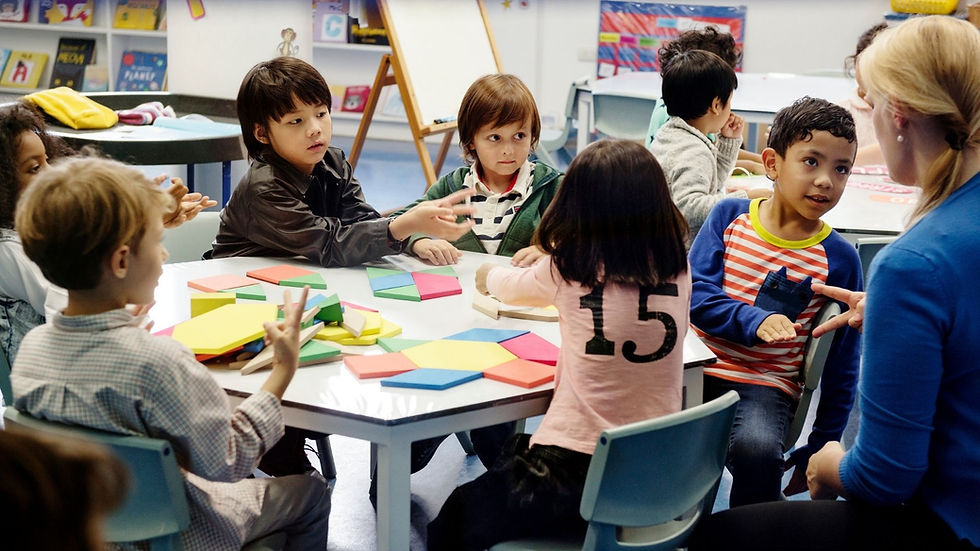
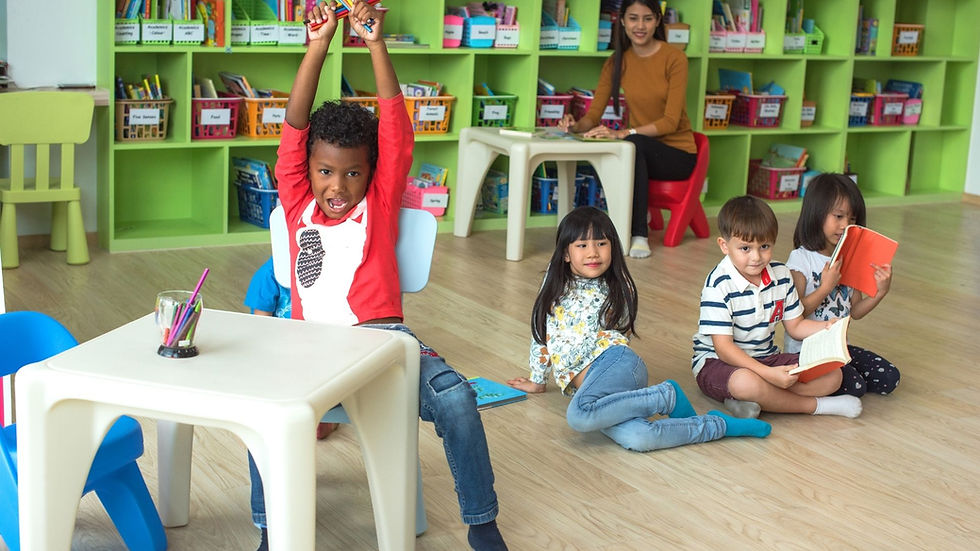
A Catholic microschool gathers about 5-15 learners in a setting where Church teaching shapes every subject. Mathematics reflects divine order, history reveals God’s providence, and literature explores the human call to transcendence.
It runs independently from diocesan systems, making room for local decisions and mission-based accountability rather than bureaucracy.
With a clear sense of what a Catholic microschool looks like, the next step is to see why this model has proven both appealing and effective.
Why Catholic Microschooling Works

Catholic microschooling succeeds by restoring wholeness, bringing intellect and faith together so all learning points to divine truth. Theology and academics move side by side, and even Dante is studied as a journey of grace and reason.
Smaller communities make this integration possible. In fact, one in four Catholic schools in the U.S. now serves fewer than 150 students, highlighting the practicality and effectiveness of small-scale models.
Here’s how that unity comes alive:
Faith and reason align. Each lesson connects knowledge to God’s design, forming one clear vision of truth.
Learning stays whole. Religion anchors every subject instead of sitting apart from them.
Teaching is a vocation. Educators serve as formators, teaching from conviction rather than obligation.
Liturgy shapes rhythm. Mass, confession, and feast days structure learning as part of daily life.
Together, these qualities form minds and souls through faith woven into every act of learning.
Having seen what makes Catholic microschooling effective, we can now look at how it stands beside traditional and homeschool models.
Catholic vs. Traditional and Homeschool Models

When families choose how to give their children a faith-filled education, the question isn’t just where they’ll learn. It’s who shapes that learning. In parish schools, the local Church directs most decisions. That structure preserves doctrinal consistency but makes it hard to adjust quickly when family expectations shift.
Homeschooling gives you full control, offering the freedom to shape lessons around your child’s rhythm and beliefs, though it can leave families feeling isolated.
Catholic microschools offer a middle ground, faithful yet flexible, guided by Catholic principles but organized by educators and parents who want to build small, community-centered classrooms. Here’s how these models differ in practice:
Model | Oversight | Day-to-Day Experience |
Parish School | Managed by the Church; policies, curriculum, and staffing follow official review | Strong structure, consistent faith teaching, slower to innovate |
Homeschool | Fully directed by parents with moral and academic independence | Highly personal and flexible; limited peer community unless you build one |
Led by local educators or parents, often with parish guidance but not formal control | Small classes, hands-on learning, shared faith life, and quicker adaptation to student needs |
Now that we’ve seen where microschools fit among existing models, let’s look at how to bring one to life.
How to Start a Catholic Micro School - Step-by-Step

You’re creating something sacred, a school that teaches faith through daily life. Each step deserves care, prayer, and clear intention. Here’s how to begin.
1. Needs Assessment
Begin by listening. Ask families what truths of the faith they want their children to know by age ten. What virtues shape their homes? What spiritual challenges do they hope the school will prepare their children to face?
Their answers reveal who you’re serving and what kind of Catholic formation your school must uphold.
2. Canonical Relationship
Next, decide how closely you want to align with your diocese. Seeking official recognition means sharing your governance plan and curriculum for review, a process that can take up to a year.
Working independently offers freedom, but you’ll need to keep careful records and stay connected to Catholic networks that ensure fidelity and legal support.
3. Curriculum Selection
Choosing a curriculum is a theological act as much as an academic one. Read every text with an eye to how it presents the human person, history, and moral life. Good materials honor reason and grace together. They help students see learning as participation in God’s truth, not as an exercise in ideology.
4. Facility Design
The space you create speaks before a word is taught. Include a small prayer corner with a crucifix, candles, and art that evokes beauty and reverence. These details remind children that they step onto holy ground each day. Let the environment reflect the dignity of what happens within it.
5. Teacher Covenant
Teachers set the rhythm of faith for the whole community. Invite them to commit not only to teaching but to praying with students, attending Mass, and joining families in formation. This shared life turns instruction into discipleship.
6. Behavior Framework
When students fail, treat it as an opportunity for growth. Guide them to name what went wrong, understand why it matters, and seek reconciliation. In doing so, discipline becomes an integral part of spiritual growth rather than merely a means of correction.
7. Financial Model
Build your finances on stewardship instead of fundraising. Publish your real costs, explain where every dollar goes, and invite families to give according to their means. When you are transparent, trust grows, and generosity follows.
8. Theological Unity
Finally, write down what the school will hold firm on and where it allows diversity of expression within Church teaching. Clear boundaries create peace, freeing the community to focus on formation rather than debate.
With a clear roadmap for founding a microschool, it’s instructive to see how established educational frameworks can guide classroom organization and instruction.
How The School House Anywhere (TSHA) Builds Meaningful Learning Environments
While Catholic micro-schools root their mission in faith and community, successful learning environments also depend on how well structure, curriculum, and teacher support are designed. This is where The School House Anywhere (TSHA) offers an instructive model.
TSHA is a secular Pre-K–6 educational program that delivers the American Emergent Curriculum (AEC), a developmentally aligned, hands-on framework built on storytelling, experimentation, and real-world problem-solving.
Here’s what makes the TSHA model so instructive for anyone shaping a values-driven school:
Interconnected Curriculum: Every subject, including science, writing, reading, mathematics, civics, art, and entrepreneurism, links together, helping children see how ideas connect beyond the classroom.
Ready-to-Teach Sessions: The AEC comes in six-week modules with custom printables, worksheets, and over 300 instructional films, giving educators everything they need to focus on teaching rather than administration.
Transparent Classroom: This progress-tracking and portfolio system keeps records organized and compliant, allowing parents and teachers to follow each learner’s growth with clarity.
Continuous Support: Round-the-clock live assistance and weekly educator gatherings create a professional community where teachers share solutions and refine practice, similar to how parish educators learn from one another.
For Catholic micro-school founders, this model demonstrates how structure and support can elevate a mission-driven school.
By observing TSHA’s use of community platforms, educator training, and hands-on resources, faith-based educators can strengthen classroom organization and instructional consistency while remaining true to Catholic identity.
Conclusion
Catholic microschools stand as small but steady lights in the world of education. Their strength lies in simplicity. Each decision, from curriculum to community life, becomes a way of shaping culture from within the Church rather than reacting to what happens outside it.
What sustains that vision is craftsmanship, the quiet work of building systems that serve the mission rather than overshadow it.
Here, models like The School House Anywhere (TSHA) offer practical insight: clear structure, teacher support, and organized resources that help learning stay human. They show that when structure supports faith, education endures with quiet strength.
Turn inspiration into a living school - discover how The School House Anywhere supports you in building hands-on, structured learning environments.
Frequently Asked Questions (FAQs)
1. What kind of schedule works best for a Catholic microschool?
Most operate on half-day or four-day weeks to allow time for family prayer, parish life, and independent study. The key is rhythm, not length. Days structured around liturgical prayer and project-based learning keep both attention and formation strong without replicating traditional school hours.
2. How can Catholic microschools collaborate with local parishes without becoming parish-run?
Partnerships often form through shared space, pastoral support, or sacramental preparation. The microschool remains independently governed but stays spiritually connected by integrating parish life.
3. What professional background should founders or teachers have?
Educators don’t need formal diocesan credentials but should have experience in catechesis, classroom leadership, or liberal arts study. The priority is theological literacy and the ability to model virtue.
4. How can small Catholic microschools grow without losing their close-knit culture?
Expansion works best through replication. Founders open new small campuses rather than adding students to one. Each remains autonomous yet connected through a shared vision, formation standards, and periodic educator gatherings that preserve intimacy and unity of mission.

Comments