Prenda Microschool: How the K–8 Model Works Across the U.S?

Finding the right K–8 education in Hawaiʻi can feel overwhelming. Long commutes, limited school options on certain islands, frequent family relocations, and overcrowded classrooms leave many parents searching for alternatives that actually work for their children.
That’s why more families are exploring Prenda Microschool options, small, community-based learning environments designed to offer structure, flexibility, and individualized support.
Instead of large classrooms and rigid schedules, microschools focus on helping children learn at their own pace in close-knit settings.
This guide explains how Prenda microschools work, how they operate legally in Hawaii, and how families can decide whether this K–8 microschool model fits their needs.
TL;DR
Prenda microschools offer Hawaii families a small-group, K–8 learning alternative that operates within the state's homeschooling framework.
Families can join an existing Prenda microschool, form learning pods, or explore other microschool models depending on location and needs.
Hawaii's flexible education laws allow microschools, but parents remain responsible for compliance and recordkeeping.
Prenda provides a structured daily learning model, while other options focus on greater curriculum flexibility or reduced screen use.
Programs like TSHA support microschools with hands-on, non-screen learning through the American Emergent Curriculum (AEC), offering an alternative for families seeking more adaptability.
What Is a Prenda Microschool?
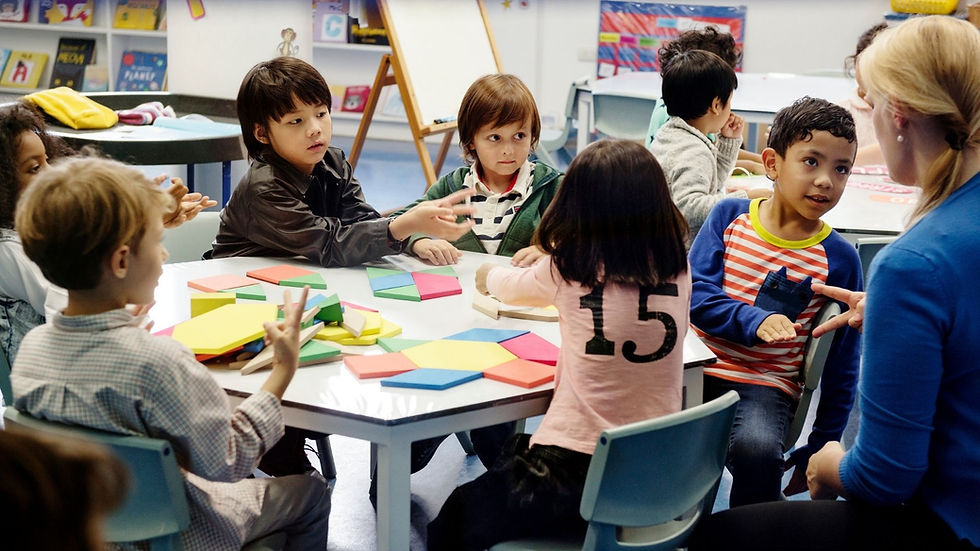
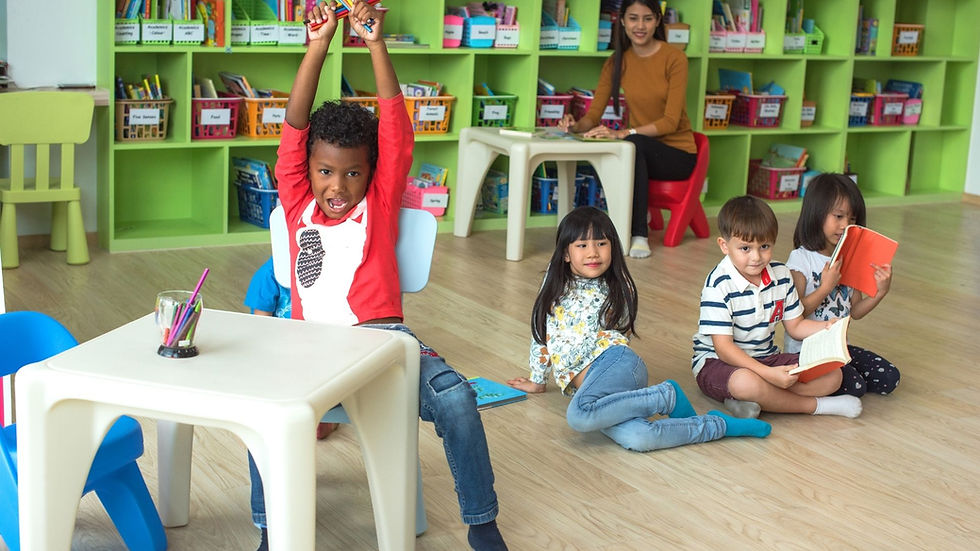
A Prenda Microschool is a small, in-person learning environment designed for K–8 students. Rather than large classrooms organized by grade level, Prenda microschools typically serve a limited number of children learning together in a multi-age setting.
Students learn at their own pace with daily guidance from an adult mentor, often called a "guide." This guide supports learning, helps students stay accountable, and creates a consistent daily rhythm, without relying on traditional lectures or rigid schedules.
Key features of a Prenda microschool include:
Small group sizes, often hosted in homes or community spaces
Multi-age learning, allowing students to progress individually
Flexible pacing, so children move forward when ready
In-person mentorship, rather than screen-based instruction
Prenda microschools operate as part of a broader network that provides structure, curriculum resources, and operational support, while each microschool maintains a local, community-focused feel.
This model appeals to families seeking more personalization and flexibility than traditional schools can offer.
Prenda's Founding and Educational Philosophy
The Prenda Microschool model began as a response to growing concerns about whether traditional school structures meet the needs of all children.
Prenda was founded by Kelly Smith, an education entrepreneur who sought to create smaller, more flexible learning environments that prioritize student engagement and independence.
Rather than centering learning around rigid schedules or age-based classrooms, Prenda's philosophy emphasizes learner ownership.
Students are encouraged to take responsibility for their progress, set personal goals, and develop problem-solving skills at their own pace.
This approach draws on broader educational ideas that value curiosity, intrinsic motivation, and meaningful learning experiences over rote instruction.
At its core, the Prenda microschool philosophy focuses on:
Encouraging self-directed learning with consistent adult guidance
Supporting individual progress rather than standardized pacing
Creating environments where students feel known, supported, and accountable
Treating learning as an active process rather than passive instruction
This philosophy shapes how Prenda microschools are structured and how guides interact with students daily. Instead of acting as traditional teachers, guides support learners by facilitating routines, offering feedback, and helping students build habits that support long-term growth.
Understanding this foundation helps families and educators better evaluate whether a Prenda microschool aligns with their expectations for K–8 education.
How Prenda Microschools Work Day to Day

A Prenda microschool day is structured, but not rigid. Instead of following a traditional bell schedule, the day is organized around routines that support focus, independence, and community.
The Role of a Prenda Guide
Each microschool is led by a Guide, an adult who oversees the learning environment. Rather than delivering lectures, the guide:
Helps students set daily and weekly goals
Provides accountability and encouragement
Supports time management and problem-solving
Creates a safe, consistent learning rhythm
Guides may be parents, educators, or community members who receive training and ongoing support.
A Typical Daily Rhythm
While schedules vary by microschool, a typical day often includes:
Morning goal-setting, where students plan their work
Focused individual learning time, allowing students to progress at their own pace
Collaborative activities, such as group discussions or creative projects
Community-building moments, including shared meals or reflection
This balance helps students build both academic skills and social responsibility.
Learning Environment and Activities
Learning takes place in small, in-person settings, often in homes or community spaces. Students work independently when appropriate and collaborate when it adds value.
Creative projects, discussions, and hands-on activities reinforce learning without relying on long lectures or constant screen use.
By focusing on structure without rigidity, Prenda microschools aim to create an environment where students remain engaged, develop independence, and build habits that support long-term learning.
How Microschools in Hawaii Operate Legally
Understanding Hawaii's legal requirements is crucial. Get this wrong, and you could face hefty fines, as some families have learned the hard way. Get it right, and you have complete freedom to educate your children how you see fit.
Most microschools in Hawaii operate under homeschool law. Here's what you need to know:
Filing Your Notification
Submit Form 4140 (or a letter of intent) to your designated home public school principal. Form 4140 is the official Home Education Notification Form used to inform your local public school that you intend to homeschool.
It is typically available through the Hawaii Department of Education or your designated home public school.
Include your child's name, birth date, grade level, address, and phone number.
You'll receive an acknowledged copy back. Keep this for your records.
You only need to refile when transitioning between elementary, middle, and high school, or when moving to a new neighborhood.
Teaching Qualifications: No teacher certification required. As a parent, you're automatically qualified to teach your child, regardless of your educational background.
Curriculum Requirements
Must be "structured and sequential" based on educational objectives
Should be cumulative, provide up-to-date knowledge, and account for your child's interests and abilities
No mandatory subjects specified, but the curriculum should be comprehensive
Keep curriculum records (including dates, hours, subjects, and materials), but don't submit unless requested
Testing and Progress Reports
Standardized testing at grades 3, 5, 8, and 10 generally involves state-approved assessments that families can prepare for with curriculum-aligned materials or guidance from local education offices.
Annual progress reports for all grades (can be test scores, certified teacher evaluation, or parent-written evaluation with work samples)
The state monitors progress but doesn't dictate how you teach
Also Read: Microschooling Growth Across America
Benefits of Prenda Microschools for Families and Students

Families often explore microschools because they want learning environments that feel more personal, flexible, and responsive than traditional classrooms. A Prenda Microschool is designed to address these priorities through small-group, in-person learning.
1. Personalized Learning in Small Groups
One of the most noticeable benefits is scale. With fewer students, learning can be adjusted to individual pace and ability rather than tied strictly to grade-level expectations. This can be especially helpful for students who need:
More time to master certain concepts
Opportunities to move ahead without waiting
Consistent adult attention throughout the day
2. Social and Academic Growth Together
Microschools typically use multi-age groupings, which can support collaboration and peer learning. Younger students learn alongside older peers, while older students practice leadership and responsibility.
This structure often mirrors real-world social dynamics more closely than age-separated classrooms.
3. A Consistent, Supportive Environment
Because students spend their days in smaller settings with the same guide, relationships tend to be more consistent. Families often value:
A calmer learning environment
Fewer transitions during the day
Clear expectations and routines
This consistency can support both academic focus and emotional well-being.
4. Family and Community Involvement
Prenda microschools also create opportunities for parents, educators, or community members to participate as guides or supporters. For some families, this involvement adds transparency and a stronger connection to their child's daily learning experience.
These benefits don't replace the need to evaluate fit, but they help explain why microschools have become an appealing option for families seeking alternatives to traditional K–8 education.
Microschool Options Available to Families in Hawaii
Families in Hawaiʻi have several ways to participate in microschooling, depending on their location, level of involvement, and educational priorities. While microschools share a focus on small-group learning, the structure and responsibility can vary widely.
Joining an Existing Microschool or Learning Pod
Some families choose to join an established microschool or learning pod rather than starting one from scratch. These options can provide built-in structure and community.
In Hawaiʻi, microschool options may include:
Community-based learning pods, often formed by families who connect through local networks or shared educational goals
Structured microschool models, such as those supported by organizations like Prenda Microschool, which provide curriculum resources, guide training, and an operational framework
Informal cooperatives, where families collaborate to share learning responsibilities and resources
Availability varies by island and region, and space is often limited due to microschools' intentionally small size.
Creating Your Own Microschool
Other families prefer to build a microschool that reflects their values, schedule, and community.
Common approaches include:
Single-family homeschooling, where parents educate their own children independently while meeting state requirements
Multi-family microschools, where a small group of families partner together, sharing space, teaching responsibilities, or hiring a guide
Community-based settings, which may include homes, community centers, farms, or outdoor spaces suited to Hawaiʻi's environment
Families who create microschools typically coordinate closely around expectations, roles, and legal responsibilities.
Hybrid and Blended Learning Approaches
For families seeking flexibility, hybrid options combine elements of in-person learning with online or home-based instruction.
These approaches may include:
Public charter or online programs paired with in-person social or enrichment activities
Hybrid microschool models, where students complete some structured academic work independently and gather for collaborative projects or community learning
Blended learning, which mixes online resources with hands-on experiences, outdoor education, and place-based learning
This flexibility can be invaluable for families in rural areas or on islands with fewer in-person options.
Understanding these different paths helps families choose a microschool option that aligns with their child's needs, their level of involvement, and the realities of island life.
Growth of Prenda Microschools Across the United States

Interest in microschools has grown steadily across the United States as families and educators look for alternatives to large, centralized school systems.
Within this broader movement, the Prenda Microschool model has expanded into multiple states, supporting small, community-based learning environments rather than large campuses.
This growth reflects a broader shift in how families think about education. Factors contributing to the expansion of microschools include:
Increased demand for smaller learning environments
Greater interest in flexible, personalized education
Family mobility, including military and remote-working households
A desire for local, community-rooted schooling options
Rather than operating as a single school system, Prenda microschools function as a distributed network. Each microschool serves a small group of students in a local setting while drawing on shared resources, training, and organizational support.
This structure allows microschools to adapt to regional needs while maintaining consistency in daily routines and expectations.
As microschooling continues to gain attention nationwide, Prenda's expansion highlights how alternative education models can scale without relying on traditional school infrastructure.
For families, this growth means greater awareness and access to microschool options across states and communities.
Who Prenda Microschools Are Best Suited For
Microschools are not a universal solution, and understanding fit is integral to the decision-making process.
Families Who May Benefit Most
Prenda microschools often appeal to families who:
Prefer small, in-person learning environments over large classrooms
Want more individualized pacing for their child
Are comfortable with nontraditional school structures
Value consistency, routine, and strong relationships with guides
Live in areas where traditional school options are limited or require long commutes
This model can also suit families who travel frequently or relocate, as the microschool approach is often more adaptable than conventional schooling.
Students Who Tend to Thrive
Students who do well in microschools often:
Work well in multi-age groups
Benefit from clear routines and daily guidance
ACantake increasing responsibility for their learning
Prefer quieter, less crowded environments
That said, students who need highly specialized services or a very structured, teacher-led classroom may require additional considerations.
Educators and Guides Considering This Model
Prenda microschools can also be a fit for:
Educators interested in mentorship-focused teaching
Parents or community members who want to be more directly involved in education
Individuals seeking a smaller-scale alternative to traditional classroom teaching
Understanding who this model serves best helps families and educators make informed choices, rather than assuming microschools are a one-size-fits-all solution.
Also Read: How to Start Homeschooling in Tennessee
How TSHA Supports Your Microschool Journey
You've decided a microschool is right for your family. Now you need a curriculum that actually works, one that's flexible enough for Hawaii's unique lifestyle, comprehensive enough to meet legal requirements, and engaging enough to keep your child excited about learning.

The School House Anywhere (TSHA) was built specifically for families like yours. Our American Emergent Curriculum (AEC) provides everything you need to run a successful microschool, whether you're teaching your own children at home or partnering with other families in a learning cooperative.
What makes TSHA ideal for Hawaii microschoolers:
A portable curriculum that travels with you between islands or across the mainland. Digital nomad families and military families love that learning continues seamlessly regardless of location.
Hands-on, screen-free learning gets kids outdoors and engaged with the real world. This approach is ideal for Hawaii's natural classroom, beaches, mountains, and cultural sites, which become extensions of your learning space.
Pre-K through 6th-grade comprehensive curriculum with 6-week sessions organized around engaging themes. This structure meets Hawaii's requirement for a curriculum that's "structured and sequential" while remaining flexible to your schedule.
Ready-to-use resources, including films, printables, and worksheets, save you hours of lesson planning each week. You focus on facilitating learning rather than creating materials from scratch.
The Transparent Classroom tool makes progress tracking and annual report preparation effortless. When it's time to submit your required progress report, you have everything documented and organized.
24/7 live support means you're never alone in your microschool journey. Questions about implementation, struggling with a particular lesson, or need encouragement? We're here.
A secular, inclusive approach welcomes families from all backgrounds. The curriculum respects diverse beliefs while providing excellent educational content.
LIVE educator gatherings connect you with other microschool families. Share ideas, troubleshoot challenges, and stay inspired by a community doing exactly what you're doing.
TSHA handles the curriculum so you can focus on what matters: building relationships, fostering curiosity, and watching your child thrive in a personalized learning environment.
Conclusion
Microschools offer Hawaiʻi families a compelling alternative to traditional education, and the Prenda Microschool model has become one of the most visible options within this space.
While Hawaiʻi's legal framework requires families to understand homeschooling responsibilities, thousands of parents successfully educate their children through microschools and learning cooperatives across the islands.
Whether you're joining an existing microschool, creating a learning pod with neighbors, or launching a more formal program, the key is to understand Hawaii's requirements and choose a curriculum that supports your vision.
TSHA offers the American Emergent Curriculum, a flexible, high-quality foundation that many Hawaii microschools need. Its portable, developmentally-aligned approach works whether you're on Oahu, Maui, the Big Island, or traveling between islands.
Your child deserves an education that sees them as an individual, not a number. Microschooling in Hawaii makes that possible.
Ready to explore how TSHA can support your microschool journey? Register today with TSHA as an educator or a parent!
FAQs
1. Are Prenda microschools legal in Hawaii?
Yes. Prenda microschools in Hawaiʻi typically operate within the state's homeschooling framework. Parents remain legally responsible for filing required notices and maintaining student records.
2. Do Prenda microschools count as homeschooling?
In most cases, yes. Even though students learn together in person, they are generally considered homeschooled under Hawaiʻi law, with families retaining educational oversight.
3. What grades do Prenda microschools serve?
Prenda microschools usually serve K–8 students and often use multi-age groupings. This allows children to progress at their own pace rather than being restricted to traditional grade levels.
4. How is learning structured in a Prenda microschool?
Prenda microschools follow a structured daily rhythm guided by a trained Prenda guide. Students work toward individual goals while also participating in group activities and community-building routines.
5. Is Prenda the only microschool option in Hawaiʻi?
No. While Prenda is a popular option, some families explore alternatives that offer more flexibility in curriculum or less screen-based learning.
Programs like The School House Anywhere (TSHA) support microschools through hands-on, non-screen-based approaches aligned with the American Emergent Curriculum.

Comments