Disparities in Academic Performance in Micro Schools Orange County NC

Micro-schools are rapidly emerging as an alternative to traditional schooling, offering small class sizes, personalized learning, and flexible instructional approaches tailored to each student’s needs.
Across the United States, these tiny schools now serve an estimated 2% of all K-12 students, roughly 750,000 learners in 2024, and the median size of a micro-school has grown from around 16 to 22 students as the movement matures.
But understanding academic performance in micro schools in Orange County NC is not straightforward.
Unlike traditional public schools, where standardized assessments track proficiency and growth, micro-schools often use portfolios, mastery-based evaluations, or observational assessments instead of state tests.
This makes it difficult to compare results directly and contributes to wide variation in academic outcomes across micro-schools.
In this article, we explore why these disparities arise, what they mean for parents and educators, and how families can make sense of academic performance in micro-school settings with confidence and clarity.
TL;DR
Micro schools in Orange County, NC, offer personalized learning, but academic outcomes can vary widely between programs.
Smaller class sizes help some students thrive, while others may need more structure and consistency.
Many micro-schools use portfolios and mastery-based assessments instead of standardized tests, making comparisons harder.
Differences in curriculum quality, educator experience, and resources often cause performance gaps.
Strong planning, clear learning goals, and ongoing progress tracking reduce academic disparities.
Parents should look for micro-schools with transparent assessments, support systems, and proven learning frameworks.
What Are Micro-Schools and Why They Matter

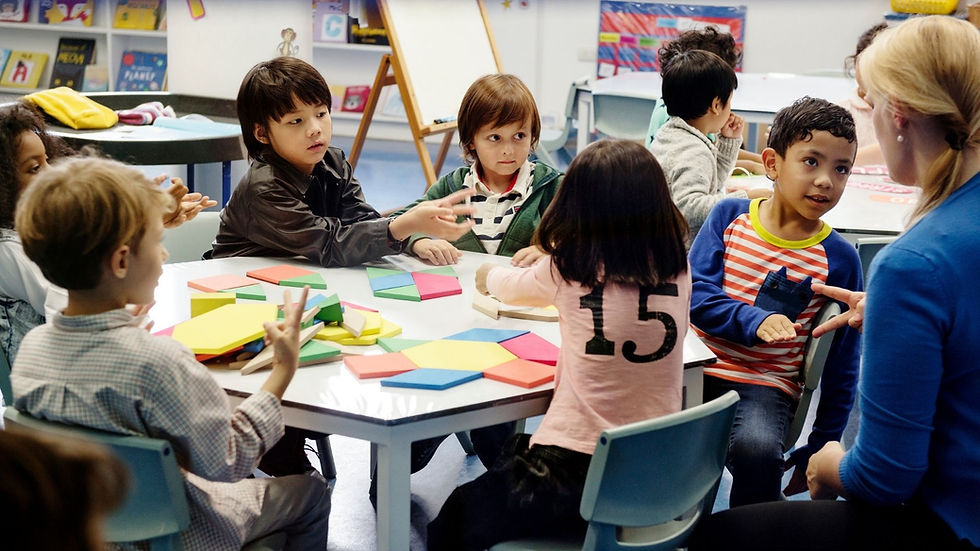
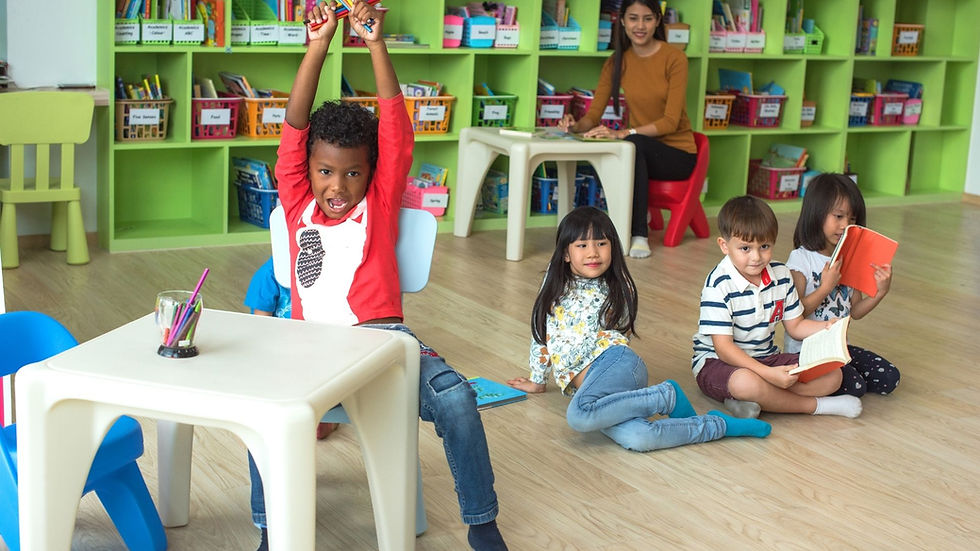
Micro-schools are small learning communities that usually serve fewer than 30 students and focus on personalized, student-centered learning.
They often group children by ability or interest rather than by age, allowing educators to meet students where they are rather than pushing everyone through the same pace.
According to policy research, micro-schools are “student-specific alternatives to the traditional classroom experience” where learners receive tailored guidance and accountability for their progress.
This close attention can be especially helpful for students who feel overlooked in large classrooms or need flexibility due to learning differences, anxiety, or advanced abilities.
In places like Orange County, NC, families often turn to this model because they want something different from district schools, rigid charter systems, or fully independent homeschooling.
Micro-schools offer structure without rigidity and community without overcrowding.
However, because most micro-schools operate outside the public school system, they are not required to publish standardized test data or appear in state performance reports.
This creates both opportunity and challenge: while schools have the freedom to innovate, it can be harder for families to clearly measure academic outcomes.
Understanding how learning is assessed and supported becomes essential when choosing the right micro-school fit.
While the flexibility of micro-schools is appealing, understanding how they compare to existing local school systems helps put their impact into perspective.
The Local Context: Traditional Schools vs. Small Schools
To understand academic performance disparities, it helps to start with what is clearly measured.
In Orange County, NC, traditional public schools provide a strong reference point.
During the 2024–2025 school year, Orange County Schools achieved a milestone: every school in the district met or exceeded expected growth on North Carolina state assessments, a first for the district.
Overall, student proficiency increased, and several schools improved both performance grades and growth scores year over year.
This data shows steady, system-wide academic improvement in traditional schools.
These results matter because they establish a clear, shared benchmark, one built on standardized testing, state accountability rules, and consistent reporting.
Micro-schools, however, operate very differently.
Most micro schools in Orange County NC are not required to participate in state testing systems. Instead, they often rely on portfolios, mastery-based progress, narrative evaluations, or project outcomes.
While these methods can offer deeper insight into individual learning, they also make direct comparisons difficult.
Education researchers describe this as a “data gap”, not a lack of learning, but a lack of comparable metrics.
Without standardized reporting, families may struggle to evaluate outcomes across different micro-schools or compare them with district schools.
This gap doesn’t mean micro-schools are less effective. It means parents must look beyond test scores and ask better questions about curriculum quality, educator experience, consistency, and how progress is tracked over time.
With this contrast in mind, it becomes easier to see why academic outcomes in micro-schools can vary so widely across Orange County.
Why Disparities Emerge in Micro Schools, Orange County, NC

Academic differences across micro schools in Orange County, NC, don’t happen by accident. They usually stem from how each school is designed, supported, and implemented.
Because micro-schools have more freedom than traditional schools, the quality of learning can vary widely depending on curriculum choices, educator experience, and consistency in instruction.
Some micro-schools rely heavily on self-designed materials or loosely structured learning, which works well for certain students but leaves others without clear academic direction.
Schools that use a well-defined framework, such as programs aligned with developmentally appropriate, hands-on models like those supported by TSHA, often show more consistent learning progress because expectations and outcomes are clearly mapped.
In short, flexibility is a strength of micro-schools, but without strong structure and support, that same flexibility can lead to uneven academic results.
Some of the common factors behind these differences include:
1. Instructional Models and Curriculum Quality
Unlike traditional schools with standardized curricula, micro-schools often choose or design their own instructional approaches.
Some use project-based or experiential frameworks, while others follow mixed or eclectic methods.
Without consistent benchmarks, learning outcomes may vary widely between programs.
2. Teacher Experience and Training
Micro-schools may hire educators with deep subject knowledge but less formal training in standards-aligned assessment and differentiation.
This can lead to gaps in performance tracking and instructional consistency.
3. Resources and Support Services
Public schools in Orange County benefit from state-level funding, professional development networks, and special services.
Micro-schools, on the other hand, may face resource limitations that impact access to curriculum materials, assessment tools, and instructional support.
4. Student Diversity and Needs
Just as traditional public schools vary in student demographics and learning needs (including diverse socioeconomic, linguistic, and gifted populations), micro-schools may enroll students with a wide range of abilities but not have the same infrastructure for tailored interventions.
To better understand these differences, it helps to zoom out and examine broader patterns seen across school systems, not just micro-schools.
When Strong District Results Hide Uneven Student Outcomes
Orange County Schools’ district-wide growth is encouraging and worth celebrating.
When every school meets or exceeds growth targets, it signals that the system is moving in the right direction.
However, high-level averages can sometimes mask what individual students are actually experiencing inside classrooms.
Subgroup data often tells a more complex story. Students from lower-income households, English Learners, students of color, and those with learning differences may not benefit at the same pace as their peers, even when overall scores rise.
These gaps can remain hidden when success is measured only at the district level rather than by student groups.
For families considering micro schools in Orange County, NC, this context is important.
Many micro-schools attract students who struggled in larger, traditional settings, students who needed more attention, flexibility, or emotional safety.
While micro-schools can offer a personalized environment, the risk is that, without clear academic monitoring, the same gaps may persist in a different form.
Why this matters:
When schools don’t look beyond averages, students who need targeted support can quietly fall behind, even during periods of overall success.
These hidden gaps become even more visible when we look closely at performance in core academic subjects.
Why Academic Gaps Persist Beneath the Surface

Even when overall proficiency numbers improve, gaps in math and reading often remain between student groups.
Research shows that consistent instruction, experienced educators, and culturally responsive teaching play a major role in whether these gaps narrow or grow over time.
In micro-school settings, these differences can become more pronounced.
The freedom to design learning is powerful, but without a clear structure, it can lead to uneven outcomes.
Academic gaps tend to persist when:
Curriculum lacks a clear learning progression, making it hard to build skills step by step
Educators receive limited instructional support or training
Learning goals differ widely across classrooms or student groups
When expectations and benchmarks aren’t clearly defined, students may advance in some areas while quietly falling behind in others.
Micro-schools that balance flexibility with strong structure tend to see more consistent academic growth.
Intentional planning, clear learning pathways, and regular progress check-ins help ensure personalization doesn’t come at the cost of foundational skills.
Beyond curriculum and instruction, student experience and classroom dynamics also play a powerful role in shaping academic outcomes.
The Role of Bias and Belonging in Student Performance
Academic success isn’t driven by curriculum alone; it’s also shaped by how safe, supported, and valued students feel in their learning environment.
Implicit bias and uneven expectations can affect student confidence, participation, and long-term outcomes, especially for students of color and other marginalized groups.
Micro-schools have a unique opportunity to address this. Their small size allows educators to truly know their students and respond to individual needs without relying on labels or rigid tracking.
When designed thoughtfully, micro-schools can:
Build strong, trust-based relationships between students and educators
Reduce suspensions or disciplinary actions that interrupt learning
Adapt instruction based on student strengths rather than deficits
However, this advantage only holds when educators are supported.
Without ongoing training, reflection, and clear instructional tools, bias can still show up, just in quieter ways.
Strong micro-schools pair personalization with intentional practices that ensure every student feels a sense of belonging and academic confidence.
Creating inclusive environments is essential, but sustained academic progress also depends on the systems supporting educators behind the scenes.
How TSHA-Supported Micro-Schools Help Close Learning Gaps

This is where intentional structure, not guesswork, makes the biggest difference.
Micro-schools built entirely on informal or self-created systems often struggle with consistency over time.
In contrast, micro-schools supported by TSHA are designed to balance flexibility with clarity.
TSHA supports micro-schools using the American Emergent Curriculum (AEC), a developmentally aligned, hands-on framework built specifically for small, learner-centered environments. One key advantage is TSHA’s packaged 6-week learning sessions, which help educators move beyond day-to-day planning and focus on meaningful progress over time.
These sessions provide clear learning goals, skill progression, and space for deep exploration, something many micro-schools lack.
Through TSHA, micro-schools benefit from:
A structured, hands-on AEC curriculum that connects subjects through real-world learning
Clear learning progressions across core subjects, reducing gaps in math and literacy
Non-screen, project-based instruction that supports diverse learning styles
Built-in progress and portfolio tracking tools that go beyond test scores
Instead of wondering whether students are “keeping up,” educators can see growth clearly- academically, socially, and emotionally.
This level of structure helps micro-schools deliver on the promise of personalization without sacrificing academic consistency.
When structure, support, and thoughtful design come together, micro-schools can move from uneven outcomes to meaningful, equitable learning experiences.
Conclusion
The conversation around micro schools in Orange County, NC, isn’t about whether small schools work; it’s about how they’re designed and supported.
Smaller class sizes alone don’t close academic gaps. Consistent curriculum, clear progress tracking, educator support, and equitable learning practices do.
Micro-schools can be powerful spaces for students who feel unseen in larger systems, but only when learning is intentional, and outcomes are visible.
Families and educators should look beyond the promise of personalization and focus on how learning is guided, measured, and sustained.
If you’re exploring micro-school options or building one in Orange County, NC, don’t navigate it alone.
Get in touch with TSHA to learn how the American Emergent Curriculum supports hands-on, non-screen learning with built-in structure, tracking, and live educator support, so every learner has a real chance to succeed.
FAQs
1. What exactly is a micro-school, and how is it different from a traditional school?
A micro-school is a small, student-centered learning environment, usually with fewer than 30 students. Unlike traditional schools, micro-schools focus on personalized instruction, multi-age groupings, and hands-on learning rather than one-size-fits-all lessons.
2. Why do academic outcomes vary so much in micro schools in Orange County, NC?
Variations come from differences in curriculum, teacher experience, resources, and how progress is tracked. Micro-schools that pair flexibility with structured frameworks—like TSHA’s AEC—tend to show more consistent learning growth.
3. How can parents evaluate the quality of a micro-school?
Look for schools that provide clear learning goals, hands-on instruction, consistent assessment methods (such as portfolios or mastery-based tracking), and access to educator support. Transparency in progress monitoring is key.
4. Can micro-schools help students who struggled in traditional classrooms?
Yes. Their small size, personalized teaching, and flexible approach often support students with learning differences, advanced abilities, or social-emotional needs. When paired with structured programs like TSHA, they can improve both engagement and academic outcomes.
5. How does TSHA support micro-schools in achieving better learning outcomes?
TSHA provides a hands-on, developmentally aligned curriculum (AEC), clear progress tracking tools, live educator support, and structured six-week modules. This helps micro-schools deliver consistent, measurable growth for diverse learners.

Comments