What is a Microschool in Florida? Exploring Education Trends.

Introduction
Imagine if you could have an educational space where your child is seen, heard, and truly understood. That vision is becoming a reality for thousands of Florida families as the state experiences one of the fastest-growing microschool movements in the country.
With nearly 95,000 microschools nationwide serving about 1.5 million students, the demand for small, student-centered learning environments has never been higher. Many of these schools operate with class sizes under 15–20 students, flexible learning models, and tuition options that fall well below traditional private school costs.
Florida, in particular, is accelerating this shift. Homeschooling and hybrid learning have surged, rising nearly 5-6% above pre-pandemic levels. This is a clear sign that families are actively seeking alternatives.
In this article, we’ll break down what a microschool in Florida really is, how it operates, the laws and funding options that shape it, and why so many families are choosing this model today.
Key Insights
Microschools are small, community-based learning environments in Florida that typically serve about 5–20 students, blending the personalization of homeschooling with the structure and guidance of a school.
They are growing rapidly in Florida because families want smaller class sizes, more individualized attention, safer environments, and flexible schedules that traditional schools often can’t provide.
Microschools must register as private schools to be officially recognized, but accreditation and state teacher certification are not required. This gives founders more freedom to design curriculum, class structures, and teaching roles.
Programs like Florida’s Empowerment Scholarships (FES) and other ESAs allow families to use state funds toward tuition, curriculum, therapies, and microschool programs, making small schools more affordable.
Smaller class sizes, personalized pacing, interest-driven projects, strong relationships with teachers, calmer environments, and more family involvement and transparency in what and how children learn.
Microschools may offer fewer sports teams or extracurriculars, rely more on family transportation, vary in quality and structure, and differ in whether they accept scholarships or not. Parents need to ask good questions about curriculum, staff, expectations, and safety.
TSHA provides developmentally aligned curriculum (AEC), planning frameworks, compliance guidance, and support so parents and educators can either choose or build microschools with clarity and confidence.
What are Micro Schools?
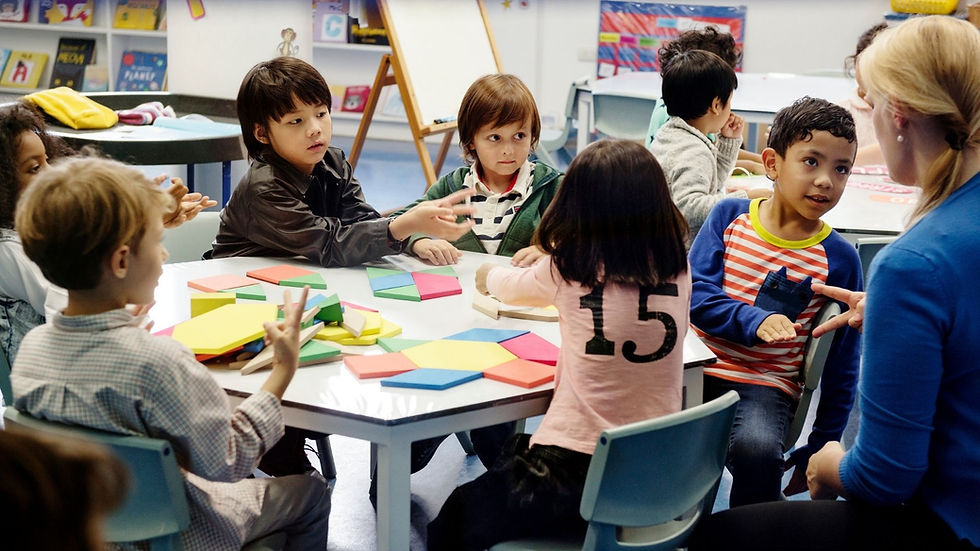
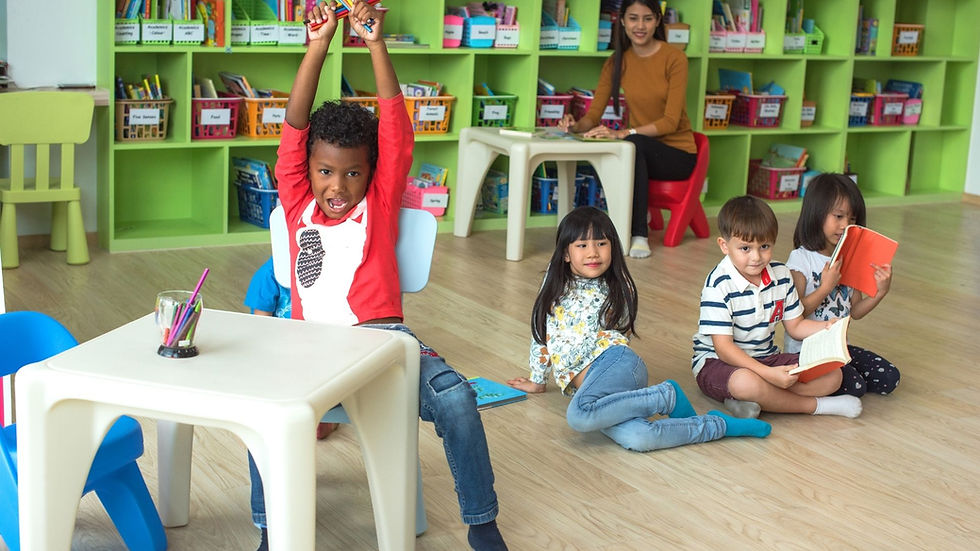
Microschools are small, community-based learning environments that typically serve 5–20 students at a time. They combine the personalization of homeschooling with the structure and instructional guidance of a traditional school.
Unlike large classrooms, microschools operate with flexible schedules, individualized learning plans, mixed-age groups, and hands-on, project-based activities that allow children to learn at their own pace.
Most microschools are led by certified teachers, experienced educators, or trained facilitators who focus on high-quality instruction and meaningful student relationships.
They often follow innovative curriculum models and provide a low student–teacher ratio, making it easier to support diverse learning needs.
In Florida, microschools have grown rapidly due to supportive school choice programs, growing interest in personalized education, and families seeking alternatives that balance flexibility, safety, and strong academics.
With a solid understanding of what microschools are, the next step is to explore the different types of models available to families across Florida.
Types of Microschools in Florida

Florida offers a wide variety of microschool models, each designed to meet different family preferences and learning styles.
1. Learning Pods / Homeschool Co-ops
Small groups of families share teaching responsibilities or hire an instructor. These pods often follow a customized curriculum and meet in homes or community spaces.
2. Private Microschools
These are registered private schools that operate with a small student body, professional educators, and a defined curriculum. Many participate in Florida’s school choice and ESA programs.
3. Hybrid or Part-Time Microschools
Students split time between in-person learning and at-home study. These models offer structure while keeping scheduling flexible for families.
4. Faith-Based or Mission-Driven Microschools
Run by churches or community organizations, these schools blend academics with specific values or educational philosophies.
5. Specialized Microschools
Some focus on STEM, arts, neurodiversity, entrepreneurship, or Montessori/Reggio-inspired education, providing niche programs that traditional schools may not offer.
Each model offers something unique, but why exactly are Florida families choosing microschools at such a rapid pace? Let’s look at the key reasons driving this statewide shift.
Why are Microschools Growing in Florida?
Florida has become one of the strongest states for educational choice, and microschools are expanding rapidly because of several key factors.
1. Florida’s Universal ESA Funding
Programs like the Florida Empowerment Scholarship (FES-UA & FES-EO) and New Worlds Scholarships allow families to use education funds for tuition, curriculum, therapy, and microschool programs, making small learning environments financially accessible.
2. Demand for Personalized Learning
Parents want education that adapts to their child's pace, strengths, and interests, something traditional classrooms with 25–30 students struggle to provide.
3. Smaller Class Sizes
Microschools with 10–20 students per class offer more individual attention, stronger relationships, and safer learning environments.
4. Flexibility for Families
Shorter school days, mixed-age classes, customized schedules, and hands-on learning make microschools especially appealing to families seeking alternatives to rigid public school structures.
5. Rapid Growth of Homeschooling
Florida is one of the top states for homeschooling growth. Many families seek a middle path: not fully homeschooling, but still wanting small, personalized education, which microschools provide.
As interest rises, families need to understand the legal and regulatory framework that shapes how microschools operate in Florida. Here’s what you need to know before enrolling.
State Regulations and Accreditation for Micro Schools in Florida

Florida offers one of the most flexible legal environments in the country for microschools, which is a big reason they’re growing so quickly. Still, families should understand the basic regulations to make informed decisions.
Here’s what Florida law requires, and what it doesn’t, for a microschool to operate legally.
1. Private School Registration Is Required
In Florida, most microschools operate as private schools, which means they must register with the Florida Department of Education (FLDOE). Registration is simple but important. It ensures the microschool is officially recognized, appears in the state’s private-school directory, and meets basic reporting expectations such as:
Annual registration renewal
Student attendance reporting
Maintenance of basic educational records
Families can look up any registered school in the FLDOE database for verification.
2. Accreditation Is Optional, Not Mandatory
Florida does not require microschools to be accredited. Accreditation is voluntary and typically pursued by larger private schools or those seeking formal credit-transfer pathways.
For microschools, staying non-accredited allows greater freedom in:
Curriculum design
Instructional methods
Mixed-age learning models
Flexible scheduling
For parents, accreditation matters only if you need:
Guaranteed credit transfers to certain private or out-of-state schools
Highly standardized academic benchmarks
Otherwise, a strong curriculum and clear learning outcomes are often more important than formal accreditation.
3. Teachers Are Not Required to Hold State Certification
Florida does not require private-school or microschool educators to hold a Florida teaching license. This flexibility allows microschools to hire:
Experienced educators
Learning guides
Subject-matter specialists
Montessori-trained or alternative-certified teachers
However, parents should still ask about:
Staff qualifications
Experience with mixed-age or small-group instruction
Training in child development
Certification isn’t required, but competence absolutely is.
4. Safety, Records, and Basic Compliance Still Apply
Even with flexible rules, microschools must follow Florida’s private-school standards, including:
Completing an annual survey with the FLDOE
Maintaining attendance and immunization records
Meeting local county zoning and occupancy rules
Ensuring a safe and healthy learning environment
Because requirements vary by county (especially in Miami-Dade), microschools must confirm local compliance before opening.
5. Homeschool Hybrid Microschools Follow Different Rules
Some Florida microschools operate as homeschool support programs rather than private schools.
In this case:
Families remain registered homeschoolers
The microschool acts as a learning center or enrichment provider
The parent is legally the teacher of record
This model gives parents more oversight but requires them to manage compliance directly.
Understanding the legal landscape helps with peace of mind, but parents also want to know what real advantages microschools offer. Let’s break down the biggest benefits for Florida families.
Benefits of Micro Schools

Micro schools combine the personalization of homeschooling with the structure and community of a small private school. For Florida families, they offer a learning experience that feels both flexible and high-quality.
Here are the core benefits parents can expect:
1. Small Class Sizes for Individual Attention
Micro schools typically serve 5–15 students per class, allowing teachers to understand how each child learns. With fewer students, every child gets more guidance, quicker feedback, and customized support.
2. Personalized, Interest-Driven Learning
Instead of a rigid, one-size-fits-all curriculum pacing, micro schools adapt lessons to each student’s strengths, challenges, and interests. This helps children advance at the right pace and stay motivated.
3. Flexible and Innovative Curriculum Models
Many micro schools use project-based learning, nature-based programs, or mixed-age classrooms. This flexibility lets students explore deeply, apply knowledge in real ways, and develop critical thinking from an early age.
4. Strong Community and Social Connection
Because micro schools operate in tight-knit groups, children build meaningful friendships and develop social skills without the overwhelm of large school environments. Families also benefit from a more connected, collaborative school community.
5. Safe, Calm, and Supportive Learning Environments
Smaller environments naturally reduce bullying, behavior issues, and overstimulation. Students feel emotionally safe, which leads to better learning outcomes and improved confidence.
6. More Family Involvement and Transparency
Micro schools encourage open communication with parents. This is something that many traditional schools struggle with. Families have a closer relationship with teachers and more insight into daily learning.
7. Greater Flexibility in Scheduling
Unlike traditional schools, micro schools often allow flexible hours, shorter school weeks, mixed-age learning, or customized routines. This makes them especially appealing for working families, homeschoolers, and parents seeking balance.
8. Access to Florida’s School Choice Funding
Many micro schools in Florida accept state scholarships like the FTC, FES-UA, and ESA programs, reducing tuition significantly. This makes high-quality personalized education more accessible to families of all backgrounds.
While the benefits are compelling, microschools also come with certain limitations. Families should be aware of these considerations before making a decision.
Challenges and Considerations to Keep in Mind
While microschools offer personalization and flexibility, they also come with certain limitations families should understand before enrolling.
1.Limited Extracurriculars and Facilities
Most microschools operate in small spaces, which means fewer sports teams, clubs, labs, and large-scale resources. Families looking for extensive extracurricular options may need to supplement through community programs.
2.Smaller Peer Groups
Although intimate class sizes help with individualized attention, they may limit social variety. Some children thrive in tight-knit groups, while others benefit from larger peer networks.
3.Variable Quality and Structure
Because microschools operate independently, the quality of curriculum, teacher experience, and daily structure can differ widely. Parents should review the school’s educational philosophy, teaching approach, and outcomes before committing.
4.Tuition and Funding Differences
Not all microschools accept Florida scholarship programs, and tuition can vary significantly. Families should verify whether options like Step Up for Students, PEP, or FTC scholarships apply.
5.Less Standardized Oversight
With fewer state mandates than traditional schools, accountability depends largely on the school’s leadership. Look for transparency around assessments, communication, safety policies, and progress tracking.
6.Transportation and Scheduling
Microschools may not offer bus services or meal programs. Families often manage transportation, lunches, and flexible schedules themselves.
Once you understand both the strengths and limitations of microschools, it becomes easier to decide whether this model fits your family’s goals. Let’s bring everything together in a clear conclusion.
Conclusion
Choosing the right learning environment in Florida can feel like navigating a maze, especially when traditional schools feel crowded, fast-paced, or out of sync with your child’s needs.
Microschools offer a practical alternative: small groups, personalized instruction, and a sense of community that’s hard to find in larger systems. As more families explore these options, understanding the models, regulations, and day-to-day experience becomes essential.
That’s where TSH Anywhere (TSHA) makes the process simpler. TSHA helps parents and educators understand what high-quality microschooling looks like, what Florida’s regulations actually require, and how to choose a program grounded in strong developmental practice.
With TSHA, families gain access to:
A developmentally aligned American Emergent Curriculum built for mixed-age, small-group classrooms.
Comprehensive educator guidance, from training resources to real-time support.
Planning tools and step-by-step frameworks to help you evaluate or even start a microschool.
Clear oversight of compliance and operational expectations specific to Florida.
Affordable licensing options that help families and educators build long-term stability.
If you’re exploring microschools as a better fit for your child, or considering starting one, TSHA gives you the clarity, structure, and confidence to move forward.
Ready to take the next step? Connect with TSH Anywhere and start your microschool journey with expert guidance by your side.
FAQs
1. What exactly is a microschool in Florida?
A microschool is a small, community-based learning environment, typically with 5–20 students, that blends personalized instruction with flexible, mixed-age learning. Florida microschools often operate as private schools, homeschool hybrids, or specialized learning pods.
2. Are microschools legal in Florida?
Yes. Microschools are fully legal. Most register as private schools with the Florida Department of Education (FLDOE) or operate as homeschool support programs. Florida’s laws are very flexible, making it easier for microschools to open and thrive.
3. Do microschools in Florida need accreditation?
No. Accreditation is optional, not required. Many microschools remain non-accredited to maintain flexibility in curriculum, teaching style, and schedule. What matters most is curriculum quality and transparency, not accreditation status.
4. Do teachers in microschools need Florida certification?
No. Florida does not require private or microschool educators to hold a state teaching license. Schools may hire experienced educators, learning guides, or subject-matter specialists based on their model and philosophy.
5. How are microschools different from homeschooling?
Homeschoolers learn at home under parent-led instruction, while microschools offer structured instruction, small peer groups, and guided teaching. Homeschool hybrids combine elements of both.
6. What are the main benefits of Florida microschools?
Families choose them for small class sizes, personalized learning, flexible schedules, strong relationships, and safer, calmer environments. Many provide project-based, hands-on, and mixed-age learning.

Comments