Woodlands Microschool: Community-Based Learning

More families in Texas, especially in The Woodlands and Conroe areas, are exploring alternatives to traditional classrooms. Many parents want education models that truly center their children.
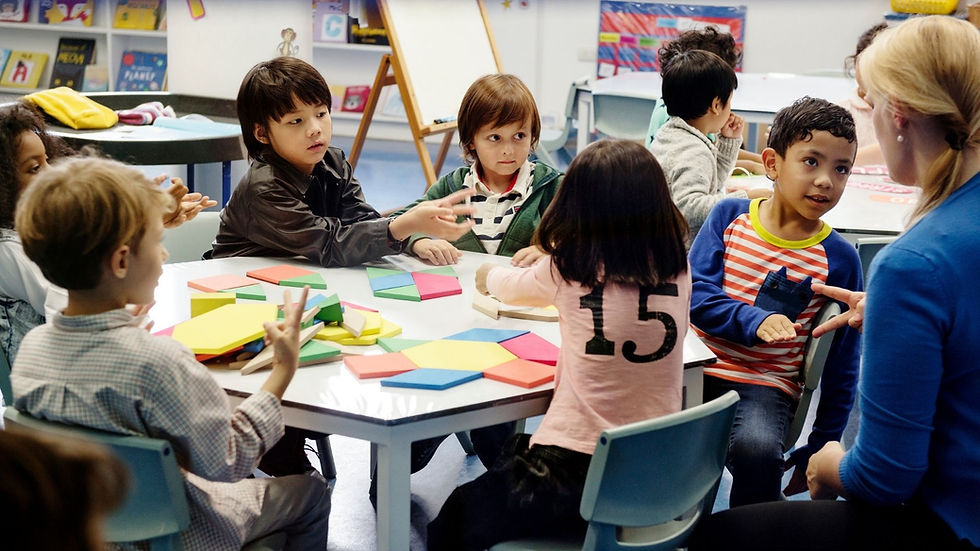
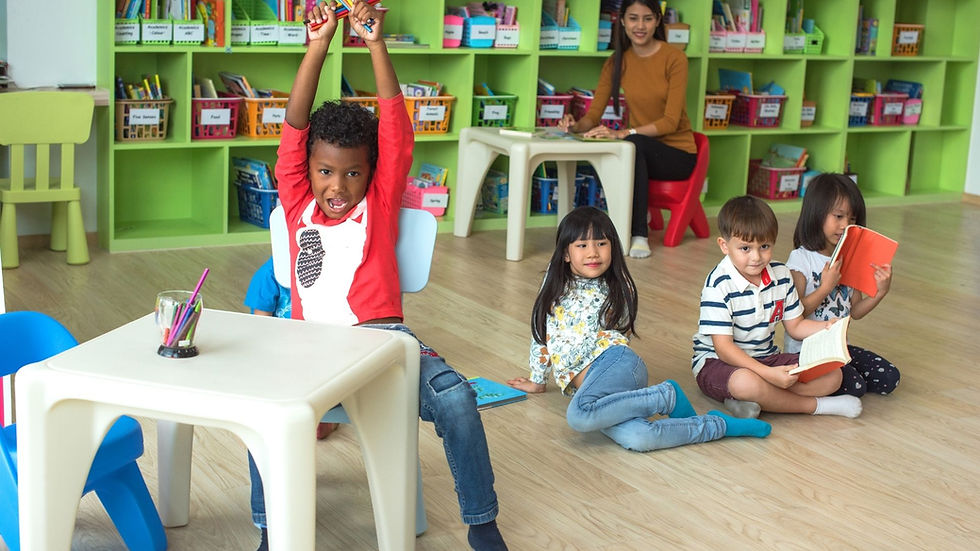
As class sizes grow and individual attention decreases, families are turning to options that offer more flexibility and personalization. A Woodlands microschool is one such option, small learning environments serving about 8–15 students with a focus on hands-on learning, personalized instruction, and strong community connections.
In this guide, we’ll explore how microschools work, why they’re effective, and how families can find quality curriculum support for flexible education.
Key Takeaways
Community-based learning builds real-world skills: Learning beyond the classroom helps students form practical skills and meaningful connections.
Small class sizes support personalized learning: Fewer students allow teachers to address individual needs early and effectively.
Hands-on learning outperforms screen-based instruction: Experiential, non-screen activities lead to deeper understanding for young learners.
Strong support systems ease parental stress: Clear plans, tracking tools, and ongoing support help families succeed with confidence.
Flexible education can maintain high standards: Alternative models often deliver strong academic results while building essential life skills.
What Makes Community-Based Learning Different
Community-based learning connects classroom instruction to real-world experiences in your neighborhood. Instead of reading about community helpers, students might interview local firefighters. Rather than studying ecosystems in textbooks alone, they could partner with nearby nature centers for hands-on conservation projects.
This approach flips traditional education. Learning doesn't happen in isolation; it extends into libraries, museums, parks, and local businesses. Students see how their studies connect to actual work and community needs.
Research shows that community service in small learning environments helps students develop empathy, compassion, and responsibility while applying classroom knowledge to real situations. When a student helps organize a neighborhood cleanup, they're practicing math (measuring areas), science (understanding pollution), and civic responsibility all at once.
For microschools, this model works naturally. Small class sizes make field trips manageable. Local partnerships develop easily. Teachers can tailor projects to student interests while connecting them to community resources.
Why This Matters for Your Family?
Parents choose community-based learning for several reasons:
Real-world skills: Children learn to communicate with adults, solve actual problems, and see their impact on the world around them.
Stronger connections: Students build relationships with community members, creating mentorship opportunities and early career exposure.
Deeper engagement: When learning matters beyond a test score, motivation increases. Children remember the garden they helped plant more than the worksheet they completed.
Flexible pacing: Community projects allow students to work at their own pace while collaborating with others, naturally accommodating different learning styles.
The Growth Of Microschools Across America

The microschool movement isn't just a local trend; it's gaining momentum nationwide. The Center for American Progress estimates that approximately 95,000 microschools serve roughly 1.5 million students across America.
These numbers tell a story about what families want. Recent data from the 2023-2024 school year show that homeschooling grew in 90% of reporting states, and homeschooling continued to grow in 2024-2025 at an average rate of 5.4%, nearly three times the pre-pandemic rate of around 2%.
This sustained growth reveals something important. Families who tried alternative education during the pandemic didn't rush back to traditional schools when buildings reopened. Instead, they found models that worked better for their children.
What Parents Are Looking For?
About 83% of parents who choose alternative education cite concerns about school environment, including safety, drugs, or negative peer pressure. Beyond safety, families want educational approaches that respect their values and adapt to their children's needs.
For The Woodlands microschool options and similar communities, parents specifically seek:
Smaller student-to-teacher ratios for individualized attention
Curriculum flexibility that allows children to advance when ready
Strong family involvement in educational decisions
Less emphasis on standardized testing, more focus on mastery
Opportunities for outdoor learning and hands-on projects
Ready to explore flexible learning options? Discover how The School House Anywhere can support your family's educational journey with a comprehensive curriculum and a supportive community.
How Woodlands Microschool Models Build Community?
The Woodlands microschool in the Conroe area exemplifies how small schools integrate into their communities. These learning environments don't isolate students—they embed them in neighborhood life.
Small class sizes create tight-knit communities where every child is known. Teachers can identify struggling students immediately and adjust instruction before small challenges become big problems. Smaller class sizes reduce bullying and anxiety about going to school while allowing teachers to tailor instruction to the children in their classes.
But community building extends beyond the classroom walls. Microschools often partner with:
Local businesses for mentorship programs and career exploration
Libraries and museums for extended learning resources
Parks and nature centers for science and environmental studies
Community organizations for service learning projects
Other families for cooperative activities and social connections
The Social Element Parents Worry About
"What about socialization?" remains the top question from parents considering alternatives to traditional school.
Microschools can create welcoming learning environments by providing targeted support to historically underserved students while intentionally designing spaces to promote success for all learners. Students in microschools typically interact with mixed-age groups, developing social skills that mirror real-world settings rather than being grouped only with same-age peers.
Many microschool students also participate in community sports, arts programs, religious organizations, and cooperative activities. The difference is that socialization happens intentionally, not randomly, during cafeteria chaos or in the rush between classes.
Choosing Curriculum For Flexible Learning
One challenge families face when exploring microschool options is finding a comprehensive curriculum that doesn't rely on screens or on standardized testing.
Quality curriculum for flexible learning environments should offer several key elements:
Developmentally appropriate content: Material that matches where children are, not just their grade level.
Hands-on activities: Learning through doing, building, creating, and exploring rather than passive worksheet completion.
Interconnected subjects: Real learning doesn't happen in isolated subject boxes; it flows naturally between math, science, history, and literacy.
Precise progression tracking: Parents and educators need ways to document growth and identify areas requiring more support.
Minimal screen dependence: Young children learn best through physical manipulation and real-world experiences, not digital interfaces.
Transform your approach to education. Explore The School House Anywhere and discover a curriculum that brings learning to life for Pre-K through 6th grade.
What Success Looks Like In Community-Based Learning?

Traditional schools measure success through test scores and grade levels. Community-based learning environments use broader measures.
Students in effective microschools and homeschool settings typically demonstrate:
Mastery-based progression: Moving forward when concepts are truly understood, not when the calendar says to advance.
Real-world application: Ability to use skills in practical situations, not just recall information for tests.
Curiosity and initiative: Asking questions, pursuing interests intensely, taking ownership of learning.
Communication skills: Comfort interacting with people across ages and backgrounds.
Problem-solving abilities: Approaching challenges methodically, trying multiple solutions, and learning from failures.
Portfolio development: Collections of work showing growth over time, not just isolated test scores.
Academic Performance Questions
Parents naturally wonder if alternative education approaches match traditional school outcomes academically. Research indicates that homeschooled students typically score between 15 and 25 percentile points higher on standardized tests than their peers in public schools.
This doesn't mean microschools or homeschools focus on test prep, the opposite. When students learn concepts deeply through hands-on exploration and real-world application, they retain information more effectively than through rote memorization.
Curious about starting your journey? Visit The School House Anywhere to explore Pre-K through 6th-grade curriculum designed for flexible, hands-on learning.
Building Your Education Community

Whether you choose a Woodlands microschool, homeschooling, or hybrid approaches, success depends partly on community support.
Texas offers robust networks for alternative education families. The Woodlands, Conroe, Montgomery, and surrounding areas have active homeschool groups, co-ops, and microschool communities. These connections provide:
Shared resources: Curriculum recommendations, teaching materials, activity ideas, and lessons learned from others' experiences.
Social opportunities: Park meetups, field trips, graduation celebrations, and holiday gatherings.
Cooperative classes: Parent-taught courses in subjects like foreign languages, advanced math, or specialized arts.
Moral support: Understanding from others navigating similar challenges and questions.
Practical help: Babysitting swaps during planning time, carpool coordination, and material sharing.
Online Communities Matter Too
Geography no longer limits community. Virtual connections through programs like TSHA's weekly gatherings allow families to learn from educators across the country, share successes, and troubleshoot challenges together.
Online communities work exceptionally well for:
Rural families without local homeschool groups
Families using specialized or less common curriculum approaches
Parents needing flexible scheduling due to work or travel
Educators want professional development and idea exchange
The combination of local in-person community and broader online networks creates rich support systems.
The School House Anywhere Approach
The School House Anywhere (TSHA) is a complete program designed for homeschooling families, microschools, and education entrepreneurs serving Pre-K through 6th grade. It’s more than a curriculum; it’s a whole educational support system.
At the core is the American Emergent Curriculum (AEC), a hands-on, secular program that connects subjects through real-world learning. Instead of teaching subjects in isolation, learning is organized into 6-week thematic modules that help students see how ideas fit together.
TSHA includes educational films that introduce concepts and spark hands-on exploration, supported by printable materials that require no expensive supplies. The focus stays on experiential, non-screen learning. Technology and AI tools are used only to help parents and educators with planning, not for student instruction or assessment.
Support Systems That Make It Work
TSHA removes much of the overwhelm by offering built-in support:
Transparent Classroom for progress tracking, portfolios, and organization
24/7 live support when questions come up
Weekly community gatherings to connect, share, and learn together
A strong network of experienced homeschoolers and microschool educators
Together, these tools and supports help families and educators implement flexible learning with confidence.
Conclusion: Choosing Your Path Forward
Community-based learning through microschools and other flexible education models offers families a strong alternative to traditional schooling. These environments focus on individual learners, hands-on experiences, and real-world connections rather than standardized systems.
The School House Anywhere supports this path with a complete Pre-K–6 curriculum, progress-tracking tools, educational resources, and a strong support network—removing many common barriers to flexible education.
Your child’s education is personal. Exploring options like microschooling, homeschooling, or hybrid models can help you find an environment where they truly thrive. Connect with local families, visit programs in your area, and explore comprehensive solutions like TSHA to make informed, confident choices.
Frequently Asked Questions
1. Is a hands-on curriculum better than screen-based learning for young children?
Research consistently shows that young children learn best through physical manipulation and real-world experiences. Hands-on curriculum allows students to build understanding through multiple senses rather than passive observation. While technology has its place, elementary-age children benefit most from experiential learning that engages their whole body and mind in exploration.
2. Can the TSHA curriculum work for families who travel frequently?
Yes. TSHA's 6-week modules provide flexibility for traveling families, as the program doesn't require daily attendance at a physical location. Materials are printable or easily portable, and the 24/7 support means you can access help regardless of time zone.
3. How does TSHA support parents with no teaching experience?
TSHA provides detailed lesson plans, teaching notes, and educational films that guide instruction. The American Emergent Curriculum breaks down exactly what to do and why, removing guesswork. Live support and weekly gatherings connect you with experienced educators who can answer questions as you gain confidence.
4. What makes microschools different from traditional homeschooling?
Microschools typically involve multiple families sharing teaching responsibilities and costs, creating a small school environment. Traditional homeschooling keeps instruction within one family. Both can use a flexible curriculum like TSHA, but the implementation setting differs based on whether you're teaching your own children or facilitating learning for a small group.
5. Does The School House Anywhere meet state educational requirements?
TSHA provides a comprehensive curriculum that can meet educational requirements across the U.S., but requirements vary by state. Families are responsible for understanding their state's homeschool laws. TSHA's Transparent Classroom tool helps document learning and maintain records required by many states.

Comments