How to Start a Microschool in 2026: Essential Tools and Resources

If you’ve ever thought, “There has to be a better way to do school,” you’re not alone.
More parents and educators are choosing microschools for their smaller scale and human-centered approach, creating learning environments that can adapt as families’ needs change.
Still, the idea of starting a microschool can feel overwhelming.
You might be wondering:
Where do I even begin?
What tools do I actually need?
How do I do this without burning out or getting stuck in red tape?
That’s exactly what this guide is designed to answer.
We’ll walk through how to start a microschool in 2026, step by step, focusing on the microschool startup tools and resources that help founders move from idea to launch with confidence.
This guide provides practical, experience-based advice without hype, shortcuts, or unrealistic promises.
And if you’re curious how real learning communities do this well, programs like TSHA offer helpful insights worth exploring.
TL;DR
If you want to start a microschool in 2026, focus on the essentials first:
Clarify your vision so families know exactly who your school is for
Validate demand early with real parent conversations before you launch
Build a sustainable financial plan using simple budgeting tools
Design a flexible curriculum with proven microschool startup tools, not complex systems
Set up basic operations and legal compliance to avoid issues later
Start small with space, staffing, and enrollment and grow intentionally
Keep it human. Keep it clear. Keep it adaptable. That clarity is what makes microschools work.
The State of Homeschooling and Microschools in 2026
Homeschooling in 2026 looks very different from what it did even a few years ago. What was once seen as an alternative option has become a practical, mainstream choice for families looking for flexibility, stability, and more personalized learning.
More parents are seeking environments where children are known, supported, and not lost in large systems. At the same time, many educators are stepping away from traditional classrooms in search of sustainable, human-centered ways to teach. Microschools sit right at the intersection of those needs.
Why Families Are Choosing Microschools
Microschools offer many of the benefits families want from homeschooling without requiring parents to do everything alone.
Families are often drawn to microschools because they provide:
Small group learning with strong relationships
Flexible schedules that work with modern family life
Personalized pacing instead of one-size-fits-all instruction
Consistent structure without rigid systems
For many parents, microschools feel like a middle ground: more personal than traditional schools, but more supported than solo homeschooling.
Why 2026 Is a Key Moment
Several trends continue to shape education in 2026:
Ongoing dissatisfaction with large, standardized school models
Growing acceptance of alternative education pathways
Increased access to school choice programs in many regions
Better tools for managing learning, communication, and operations
Together, these shifts have made it more realistic than ever to start a small, community-based school without massive overhead or institutional backing.
What Makes Microschools Different From Traditional Homeschooling
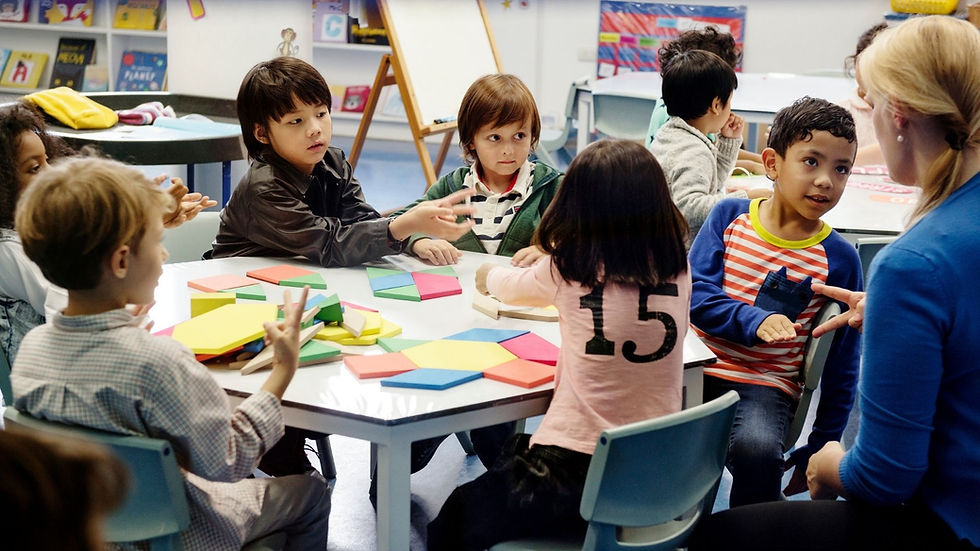
While homeschooling is family-led, microschools are community-led. They bring together small groups of learners under shared values, routines, and guidance.
Key differences include:
Shared responsibility instead of doing everything alone
Collaborative learning environments
Clear expectations for families and students
More sustainable models for educators and founders
For many founders, microschools aren’t about scaling fast. They’re about building something that works, academically, financially, and emotionally.
With this context in mind, the steps that follow are designed to help you move from interest to action, one clear decision at a time.
6 Practical Steps to Start a Microschool in 2024
Starting a microschool can feel like a lot. There’s vision, logistics, curriculum, and compliance all competing for attention. The good news is that you don’t have to tackle everything at once. When the process is broken into clear, intentional steps, it becomes far more manageable.
The steps below follow a natural flow, helping you move forward with clarity and confidence instead of overwhelm.
Step 1: Clarify Your Microschool Vision (This Comes First for a Reason)
Before you think about schedules, software, or space, you need to get clear on why your microschool exists.
This part can feel abstract at first, especially if you’re someone who likes to jump into action.
But this step matters more than any tool you’ll choose later.
Your vision is what keeps everything else from drifting.
When founders skip this step, a few common things tend to happen:
Messaging feels confusing to parents
Enrollment doesn’t quite match expectations
The school starts strong but feels exhausting six months in
Getting clear now saves you time, energy, and a lot of frustration later.
Get Honest About Your “Why”
This isn’t about writing a perfect mission statement. It’s about being honest with yourself.
Start with a few simple questions:
What’s not working in the school options around me right now?
What do I believe kids need more of—time, flexibility, support, autonomy?
What do I want a typical learning day to actually feel like?
Don’t rush these answers. They’ll guide almost every decision you make.
Strong microschools usually solve a specific problem.
For example:
Supporting neurodivergent learners who struggle in large classrooms
Offering flexible schedules for working families
Creating project-based learning for middle school students
Serving families who want smaller, relationship-driven environments
The more specific your focus, the easier it is for families to decide if your microschool is right for them. That kind of self-selection is healthy.
Choose an Educational Philosophy You Can Sustain
You don’t need to invent a new model or follow trends.
Most microschools blend familiar approaches in ways that fit their community.
Common foundations include:
Montessori-inspired independence
Mastery-based progression instead of grade levels
Project-based or inquiry-driven learning
Community-embedded education tied to real life
What matters most isn’t the label, it’s alignment. Your philosophy should match your values, your energy, and your capacity as a founder or guide.
Use Simple Tools to Shape Your Vision
You don’t need anything fancy at this stage. The goal is clarity, not polish.
Helpful microschool startup tools include:
Google Docs or Notion for drafting your mission
Free vision worksheets from microschool networks
One-page philosophy summaries you can share with families
From what we’ve seen across learner-centred programs, founders who clearly articulate their vision attract families who stay longer and ask fewer “misalignment” questions later.
Once your vision feels solid and grounded, you’re ready to move from ideas to reality and test whether your microschool fits your local community.
Step 2: Validate Demand and Build a Financial Plan That Supports You

A microschool can be deeply meaningful, but meaning alone doesn’t pay rent or prevent burnout.
This step is about making sure your idea works not just in theory, but in your community and your life.
It’s easy to assume that because families are unhappy with traditional schools, they’ll automatically show up. Sometimes they do. Often, they don’t, at least not without clarity, trust, and realistic pricing.
This step helps you avoid launching something you love but can’t sustain.
Start With Real Conversations
Before you launch anything, start talking to parents. Early. Often. And without an agenda.
You’re not selling yet. You’re learning.
Simple tools work best here:
Google Forms for short, low-pressure surveys
Informal coffee chats or playground conversations
Local Facebook or Nextdoor groups where parents already gather
What you’re really listening for are patterns.
Ask questions like:
What’s not working in your child’s current school right now?
What kind of schedule would actually help your family day to day?
What monthly tuition feels realistic, not ideal, but doable?
Pay attention to the language parents use. Those exact words will later shape your messaging, enrollment conversations, and even your schedule.
Understand Tuition and Sustainability
In many regions, microschool tuition typically falls between $500 and $1,500 per child per month. Where you land in that range depends on several factors:
Number of instructional hours per week
Staffing support and adult-to-student ratios
Space and facility costs
What’s included (materials, meals, enrichment, support services)
This is where many founders underprice out of fear or optimism.
Sustainable pricing isn’t about charging more. It’s about making sure the school can stay open and you can keep showing up with energy.
Tools like Wave or QuickBooks can help you:
Track monthly expenses clearly
Model break-even enrollment
See what happens if enrollment grows slowly
EdChoice reports that school choice and Education Savings Account (ESA) programs, which provide families with public funds for private education options, expanded across multiple states between 2022 and 2024, thereby increasing access to microschools.
That doesn’t guarantee enrollment but it does expand what’s possible.
When your financial plan feels honest and grounded, decisions get easier. You stop guessing and start choosing intentionally.
When the financial side feels honest and doable, everything gets lighter.
Now you can turn your energy toward designing learning experiences that are meaningful, flexible, and sustainable.
Step 3: Design a Curriculum and Tech Stack That Won’t Overwhelm You
Curriculum design is where microschools truly shine but it’s also where many founders accidentally make things harder than they need to be.
With so many platforms, philosophies, and tools available, it’s easy to feel like you need to build everything from scratch.
You don’t.
You don’t need a perfect curriculum on day one.
You need something that works now, supports your learners, and gives you room to adjust as you learn what actually fits your community.
The goal here is not complexity. It’s clarity.
Use Blended Learning on Purpose
Most successful microschools use a blended learning approach. This means combining a few reliable academic tools with hands-on, human-centered learning experiences.
Common elements include:
Online academic platforms for core skills
Hands-on projects that connect learning to real life
Group discussions that build communication and critical thinking
Real-world experiences tied to community, nature, or student interests
Popular academic tools like Khan Academy, Zearn, and IXL are often used because they’re flexible and familiar.
They take care of foundational skills like math and reading progression, which frees you up to do what matters most- mentoring, coaching, and guiding deeper learning.
This approach also helps you avoid reinventing the wheel.
Use AI and EdTech Thoughtfully
Technology can support personalization, but only when it’s used intentionally. AI tools work best when they help you, not when they replace your judgment.
Founders often use AI to:
Draft lesson or project ideas
Adapt reading materials to different levels
Support planning for multi-age groups
Programs like TSHA show how adaptive tools can personalize learning while keeping relationships at the center.
Microschools can apply the same mindset on a smaller scale, using tech to reduce friction rather than increase it.
Choose Tools You’ll Actually Use
The best microschool startup tools aren’t the newest or most impressive ones.
They’re the tools your team understands, trusts, and uses consistently.
Start simple. Test often. Adjust as needed.
With learning experiences taking shape, it’s time to put systems in place that support you, your learners, and your families long-term.
Step 4: Launch Smoothly and Build Systems That Support You Long-Term

Launching a microschool is exciting and exhausting.
There’s a lot happening all at once. New students. New families. New routines.
This is where simple systems make a real difference.
They don’t remove the work, but they help you stay present and focused on what matters most: the learners.
The goal here isn’t to run your microschool like a corporation. It’s to create just enough structure so the day doesn’t run you.
Simplify Daily Operations
Most microschools don’t need complex software stacks. In fact, too many tools often create more stress, not less.
Many founders rely on a few core systems:
Google Workspace for email, shared documents, and planning
Shared calendars so families know what’s coming
Simple attendance tracking that meets legal requirements
Consistency is more important than sophistication.
When families know where to look for information and how communication works, trust builds naturally.
Clear routines also give students a sense of safety and predictability especially in small, mixed-age environments.
Build Feedback Into Your Routine
Feedback isn’t something you do once a year. It’s part of how microschools stay healthy.
Simple feedback loops might include:
Monthly parent check-ins to catch concerns early
Student reflections that encourage ownership and voice
Team debriefs to adjust what’s not working
You don’t need long surveys. Short, regular check-ins are usually enough.
Many founders also benefit from staying connected to the wider microschool community.
Microschool networks and educator podcasts like LiberatED provide perspective, encouragement, and reminders that you’re not doing this alone.
From what we’ve seen across learner-centered environments, long-term sustainability doesn’t come from doing more. It comes from doing a few things clearly, consistently, and with intention.
Once your daily systems are in place, the next step is making sure your microschool is legally sound without letting paperwork slow you down.
Step 5: Navigate Legal Compliance Without Letting It Stall You
Legal questions stop more microschools from launching than almost anything else.
Most microschools fall within established legal frameworks such as homeschooling laws, private school regulations, or learning center certifications; understanding these will help you determine how your microschool fits into existing education law.
This step isn’t about mastering education law. It’s about getting just enough clarity so you can move forward with confidence instead of fear.
Know How Your Microschool Is Classified
How your microschool is classified depends largely on your state and how your program is structured. In many cases, microschools operate as one of the following:
A homeschool pod, where families retain homeschool status
A private school, registered at the state level
A learning center or enrichment program, offering supplemental education
Each classification affects a few key areas:
Reporting requirements, such as annual filings or notices
Attendance tracking expectations
Assessment or testing guidelines
Staff qualifications, if any
This is where reliable resources matter. Instead of guessing, use:
National Microschooling Center state-by-state guides
Yes. Every. Kid. legal breakdowns
Local homeschool associations, which often know the practical realities
Spending time here prevents surprises later and gives parents peace of mind.
Set Up Your Business and Insurance Early
Once you understand your classification, the business side is usually straightforward.
Most microschool founders:
Form an LLC to separate personal and school finances
Open a dedicated business bank account
Secure general liability insurance appropriate for working with children
Some services help in simplifying business formation, while insurance providers familiar with education spaces can help you choose coverage that fits your setting.
From what we’ve observed across emerging learning programs, founders who address compliance early tend to experience smoother enrollment conversations and stronger parent trust.
With legal foundations in place, your energy can shift back to what matters most—supporting learners and building a microschool that lasts.
Step 6: Secure Space, Build a Team, and Enroll Families

You don’t need a large campus or a big staff to get started. What you need is a space that works, people who align with your values, and an enrollment process that feels welcoming instead of transactional.
This step is where your microschool starts to feel real.
Choose a Space That Matches Your Model
There’s no single “right” place to run a microschool. Many successful programs start small and grow intentionally.
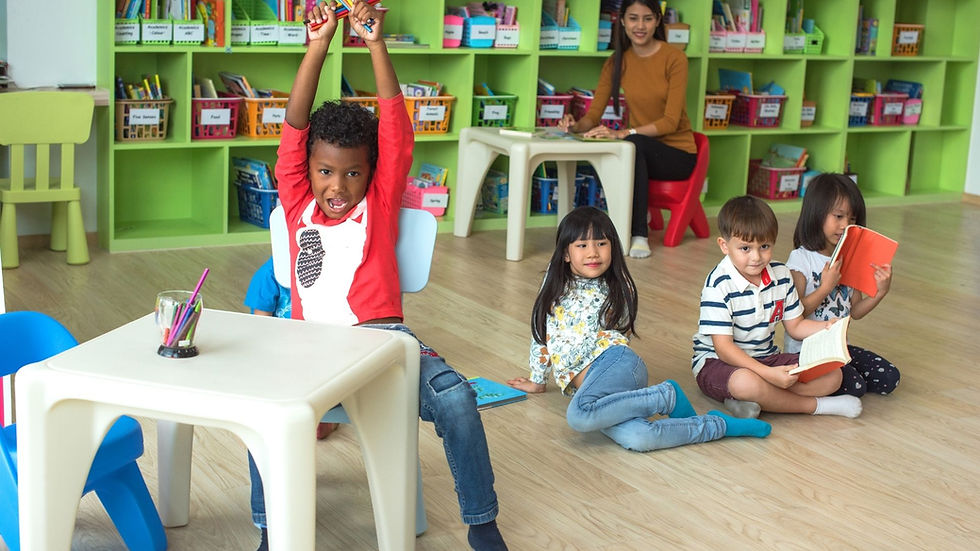
Common microschool spaces include:
Homes, especially for younger learners
Churches or community centers with unused weekday space
Shared learning spaces or co-working environments
What matters most isn’t perfection. It’s:
Safety, both physical and emotional
Consistency, so learners know what to expect
Alignment with your learning style, whether that’s active, outdoor, or project-based
Families care less about polish and more about whether the environment supports their child.
Hire for Mindset Before Credentials
Staffing is often a concern for new founders, but microschools don’t require large teams.
Many start with:
One lead guide responsible for learning design
One assistant added as enrollment grows
Instead of focusing solely on credentials, look for people who bring:
Adaptability in dynamic environments
Strong communication skills with both kids and adults
Comfort with ambiguity, especially in learner-centered settings
Skills can be taught. Mindset is harder to change.
Keep Enrollment Simple and Human
Enrollment is often the first real interaction families have with your microschool. Keep it warm and straightforward.
Helpful tools include:
Calendly for easy tour scheduling
Google Forms for low-pressure applications
Simple spreadsheets for early tracking
When it comes to marketing, local outreach still works best:
Word of mouth from early families
Community events or info sessions
Parent referrals, built on trust
Clear expectations at enrollment around schedules, communication, and responsibilities reduce misunderstandings later.
With students enrolled and relationships forming, the final step is creating rhythms that support daily operations and long-term growth.
With space secured, a team in place, and families enrolled, your microschool is no longer an idea, it’s a living community.
Learn From Programs Already Doing This Well
When you’re building a microschool, you’ll eventually ask two big questions:
How do I design a curriculum that really works?
Where can I find practical support and real-world guidance as I build, teach, and grow?
For many founders and classroom leaders, programs that combine curriculum design with ongoing support make this journey more manageable and confident.
One such resource that educators across the country are choosing is The School House Anywhere's (TSHA) American Emergent Curriculum (AEC), developed from years of classroom experience, research, and real outcomes.
What Educators Are Saying About AEC
Teachers nationwide, including those without traditional licensure, are discovering that a thoughtfully connected curriculum can make planning and instruction less overwhelming and more impactful.
This curriculum has a few key strengths that align with what many microschool founders are trying to build:
Interconnected Learning: Subjects like science, writing, reading, math, civics, and art are all woven together, making lessons richer and more meaningful.
Child-First Design: The curriculum is created around how children naturally learn, not how institutions traditionally teach.
Research-Backed & Updated: It’s informed by decades of research and continually refreshed based on the latest pedagogical insights.
Proven Success: Classrooms using this approach have seen learners perform well above the national average, suggesting strong academic growth.
These features aren’t just buzzwords; they reflect common practices in effective microschools: connecting disciplines, prioritizing depth over drills, and centering learning around real understanding.
How TSHA Supports Educators (Beyond Just Curriculum)
One of the biggest challenges founders face is sustaining quality over time especially when every week demands planning, compliance, communication, and reflection all at once.
Programs like TSHA help with that by offering structured support for educators, including:
Guided onboarding into the American Emergent Curriculum, with clear film and lesson samples that demonstrate teaching in action.
Models for creating rich learning environments, even if you’re starting in a modest space.
Ongoing community, events, and resources that help you stay connected with other educators building learner-centered schools.
This isn’t about buying “a curriculum.” It’s about learning a cohesive approach to teaching, grounded in how kids learn then applying it to your microschool ecosystem.
Where TSHA Fits in Your Microschool Journey
If you’re wondering “Where could I get real help with both curriculum and implementation?”, integrating insights from educator-focused programs can:
Give you ready-to-use curriculum samples so planning doesn’t start from zero
Help you design learning environments that feel intentional and child-centered
Offer guidance at every step, from first setup through community engagement
These kinds of supports are especially valuable if you’re new to instructional design or come from a non-traditional teaching background, a trend reflected in data showing that many microschool founders are parents or community members, not licensed teachers.
Learning from programs that already do this well helps clarify what’s possible and practical when you build with intention.
Conclusion
Starting a microschool in 2025 isn’t about doing everything at once. It’s about making clear, intentional choices that support learners and sustain your work.
Families are drawn to microschools because they offer what many traditional models can’t: small learning environments, real relationships, and flexibility without chaos. When you clarify your vision, validate demand, use microschool startup tools thoughtfully, and build simple systems, you create something families can trust and sustain.
You don’t need to scale fast. You need to start clear and grow with purpose.
If you’re looking for guidance from educators who are already building learner-centered schools, The School House Anywhere (TSHA) offers educator resources and curriculum insights that can support you as you take your next step. Exploring how experienced learning communities approach this work can help you move forward with more confidence and less guesswork.
Frequently Asked Questions
1. Do I need to be a certified teacher to start a microschool?
In most states, no. Many microschools operate as homeschool pods or learning centers, which don’t require certified teachers. Requirements vary by state, so it’s important to confirm your microschool's classification locally.
2. How many students do I need to get started?
Many microschools launch with 5–10 students. Starting small lets you refine your systems, curriculum, and communication before intentionally growing enrollment.
3. How much does it cost to start a microschool?
Startup costs vary, but many founders begin with minimal upfront expenses by using home-based spaces, free or low-cost edtech tools, and simple operational systems. Monthly costs usually scale with enrollment.
4. Can microschools use online curriculum and AI tools?
Yes. Many microschools use blended learning models that include online platforms and AI-supported planning. The key is using technology to support personalization, not replace human relationships.
5. How long does it take to launch a microschool?
Some founders launch in three to six months, especially when starting small. Timelines depend on legal requirements, space setup, and enrollment readiness.

Comments