Why Microschools Are the Next Big Education Trend?

Are you dissatisfied with seeing your kid locked in crowded classes where their particular needs are overlooked? Many parents are concerned that conventional schools may not provide sufficient flexibility or personal attention to help their children develop. If you have felt this way, you are not alone. That's why more families are looking at microschools—a smaller, more personalized method of education centered on your child's learning style.
In this article, you will understand why microschools are fast becoming a popular alternative for parents and educators seeking an adaptable, hands-on learning environment. Whether you're considering creating a microschool or just desire to learn why they're becoming more popular, this piece will help show you how microschools may be the best match for your family's requirements.
What is a Microschool?
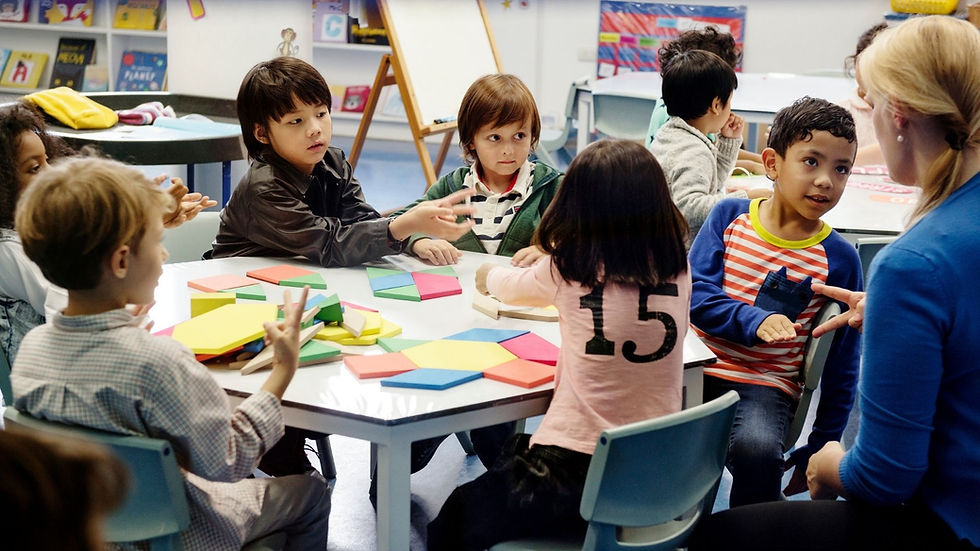
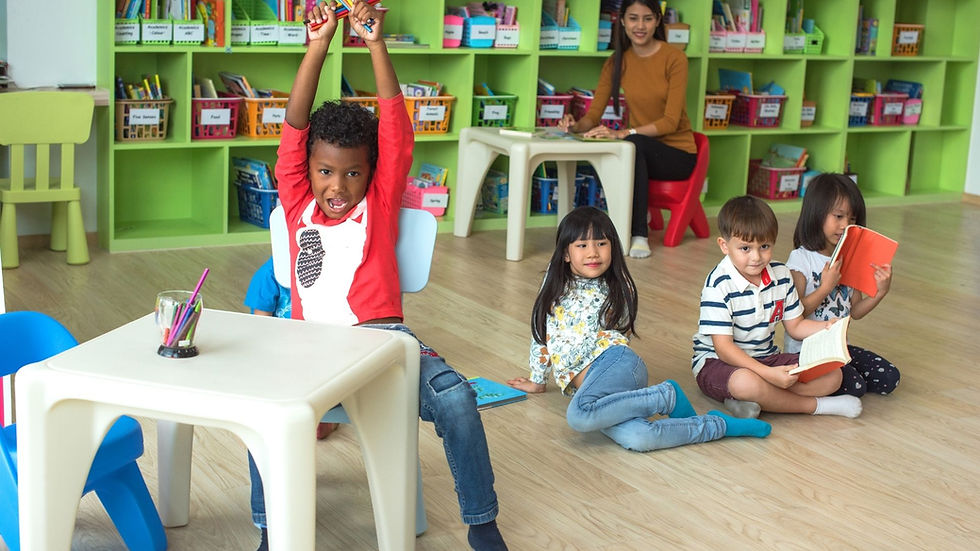
If you're seeking a more personalized and flexible schooling alternative, a microschool might be the answer. A microschool is a smaller learning community, often with 5 to 15 children, that focuses on your child's specific requirements instead of a one-size-fits-all approach.
Unlike conventional schools, where big class sizes and rigid timetables make it difficult to give your kid the attention they need, microschools provide an environment where your child may study at their own speed. These schools frequently operate out of houses or in community spaces, which makes it simpler for you to participate and allows the atmosphere to adapt to your family's specific needs.
Microschools are not the same as homeschooling, which involves educating your kid on your own. Instead, they gather together small groups of children with a teacher or facilitator, allowing your child to benefit from social contact and shared learning while still receiving the individualized help they need.
Microschools provide an opportunity for your kid to get an education that is tailored to their learning style and gets them interested. This expanding method might be just what you're searching for.
Now that you know what a microschool is, let’s look at why more families and educators are turning to this model as a fresh alternative to conventional schools.
Why Microschools Are Gaining Popularity?
You may be wondering why microschools are becoming a popular choice among families and educators. The answer is how effectively they suit the actual demands of today's students and families.
Flexibility that fits your lifestyle: Whether you're a parent balancing work-from-home commitments, a family that travels regularly, or someone who prefers a calendar, non-traditional school microschools enable you to design a timetable that fits your needs. Unlike conventional schools that have rigid hours, microschools allow you to combine education with your family's unique schedule.
More personalized attention for your child: Teachers may concentrate on your child's talents, problems, and interests in a small class of 5 to 15 students. This means that your kid is more than simply a face in a throng; they get individualized assistance that allows them to grow at their own speed. According to research, lower class sizes frequently result in greater academic achievements and more student involvement.
Curriculum that adapts to your child’s needs: Microschools often focus hands-on, developmentally appropriate learning. This method enables lessons to flow organically between disciplines while also appealing to your child's innate curiosity. The curriculum adapts depending on how your kid learns best, so there are no hard lesson plans to follow.
Stronger community connections: You receive more than just a school; you join a close-knit community where your kid may form long-lasting connections and develop social skills. This intimate, supportive atmosphere makes children feel protected and promotes pleasant connections, which are difficult to find in bigger, impersonal environments.
Opportunity to innovate and experiment: Microschools provide an opportunity to experiment teaching approaches that bigger schools may not be able to adopt readily. If you want to concentrate on creativity, analytical thinking, or real-world skills, you may customize the learning experience. This may result in a more relevant and pleasurable educational experience for your kid.
Support for diverse learners: Whether your kid has particular learning requirements, is brilliant, or just learns differently, microschools are more adaptable than regular schools. This flexibility guarantees that your child's education is tailored to their needs rather than the other way around.
All of these qualities make microschools a popular option for parents and educators seeking more control, greater assistance, and a closer connection to their child's education.
With growing interest in microschools, it’s important to understand the specific advantages your child can gain from this personalized learning environment.
Benefits of Microschools for Your Child
Microschools have several advantages that can drastically affect how your kid learns and develops. Here's what to expect—and how these benefits can manifest in your daily life.
1. Learning at your child’s own pace
Traditional classes often follow a defined timetable, requiring all students to proceed at the same pace. This may leave some children bored or overwhelmed. A microschool allows your kid to study at their own speed.
Example: If your child is great at reading but not so good at math, the teacher can give them extra help in mathematics while letting them read more difficult books.
Practical tip: You can ask your child's microschool teacher to send you reports on their progress, so you know precisely what your child is doing well and where they need more help.
2. Lessons that keep your child interested and involved
Microschools focus on learning that is relevant to your child's hobbies and can be done by hand. This means there will be fewer tasks and more things that make you think.
Example: A microschool might have a week called "Science Explorers," during which kids do easy projects, watch educational movies, and write or draw about what they learned.
Practical tip: Get your child to come up with ideas for things they're interested in. Microschools can often change lessons to fit students' hobbies, which makes learning more fun.
3. Strong relationships with teachers who know your child
Teachers can get to know their students better when the class size is small. With this one-on-one care, your kid is less likely to "fall through the cracks."
Example: One parent saw that the microschool teacher was able to modify the lesson to include some physical activity or one-on-one time when their kid was having a bad day.
Practical tip: Your child's teacher should be able to keep you up to date on their growth and any problems they may be having.
4. A supportive, close-knit social environment
It's just as important for kids to learn social skills as it is to understand academic ones. Microschools give your child a safe place to make friends.
Example: When there are fewer kids in a class, they often get along better and feel free to say what they want. Your child can learn how to work with others by doing things like joint games or project talks with a group.
Practical tip: Search for microschools that support family participation. Parent meetings or events in the neighborhood can help your child make new friends.
5. Encouragement of creativity and critical thinking
“Problem-solving and creativity are often considered important parts of learning in microschools. Your child can play, ask questions, and try new things.
Example: Your child could make a small yard or nature notebook to see plants and bugs for themselves rather than just reading about ecosystems.
Practical tip: Find out if your microschool uses project-based learning. This learning method helps children deeply understand concepts and develop important skills.
6. Flexible support for unique learning needs
A microschool can change more quickly than a bigger school if your child learns in a way that is different from the others. This is true whether your child has learning problems, is bright, or just has their own style.
Example: One parent with an ADHD child said that their child did best in a microschool that had lots of breaks and games that got the kids moving.
Practical tip: Tell the teacher about your child's needs and look into the different tools or accommodations that could help them.
If you’re a parent or homeschooler with a passion for education and dreaming of opening your own microschool, TSHA is here to support you every step of the way. Here’s a step-by-step guide to help you get started in your own home or neighborhood.
How to Start a Microschool at Home or in Your Community?
Starting a microschool might seem like a lot to do, but it can be easy and satisfying if you break it down into clear steps. This is how you can begin:
1. Define your goals and vision: Make sure everyone knows what you intend for your microschool to do. Consider the type of learning space you want to create and what your students or the community need.
2. Assess your resources and space: Find a place that is safe and comfortable for your microschool. This could be a home, a community center, or a shared area. Ensure it accommodates the number of people in your group and the activities you plan to do.
3. Plan your group size and schedule: You should have between 5 and 15 kids for a more specialized experience. To balance learning with freedom, make a plan that works for everyone in the family and the students.
4. Choose or develop a curriculum: Determine what kind of program will work best for your child and your school goals. Find choices with resources that are age-appropriate, easy to use, and adaptable to your child’s developmental stage, and give you room to be creative.
5. Gather educational materials and resources: Get the books, materials, and tools you'll need for tasks and lessons ready. Include things that help students learn and be engaged by doing.
6. Build your support network: Talk to other parents, teachers, or groups in your area to share tips, tools, and support. Having people to lean on helps you deal with problems and keep going.
7. Understand local regulations and compliance: Find out what the state or local rules say about small private schools or homeschooling. To maintain your microschool legal, make sure you follow the rules for safety, keeping records, and reporting.
Ready to build a learning space that puts children first? Start your microschool journey with The School House Anywhere today, discover the tools, curriculum, and community to make it happen.
Starting and running a microschool comes with its own hurdles—let’s explore common challenges and practical ways to address them effectively.
Common Challenges and How to Overcome Them
Feeling both excited and stressed about starting or running a microschool is normal. Unfortunately, there are some problems you'll need to solve in order to make your child's school small and open. Look at these common problems more closely and learn how to confidently deal with each one.
1. Navigating regulations and compliance
It could be hard to figure out the rules in your area when it comes to teaching or running a small private school. Each state has its own rules about attendance, keeping records, reports, and tests, and it's important to follow the rules to stay out of trouble with the law.
Tip: Start with your state's education department's website for clear information. Joining a local parenting or microschool support group may assist with real-life issues and exchange resources. TSHA's Transparent Classroom makes it easy to take correct notes without spending hours on papers. Remember that starting prepared makes obeying the rules simple and stress-free.
2. Balancing social opportunities for your child
You might be afraid that your child won't have sufficient opportunities to play with other kids in a smaller group, which is important for social growth. Making friends, learning how to work as a team, and knowing how to act in social settings are equally essential as doing well in school.
Tip: Plan social events outside of school. You can go on a field trip, play date, or join homeschool cooperatives and other activities outside of school. A lot of microschools plan events to help kids meet new people and learn how to get along with others. Making an effort to build ties can help your child make friends.
3. Managing your budget and resources
Starting a microschool can feel financially overwhelming at first. Between learning resources, teaching tools, materials, and possibly securing a space, the expenses add up quickly. But you don’t need to drain your savings or go into debt to make it happen, there are practical, budget-friendly ways to build a thriving learning community without breaking the bank.
Tip: Start with the most important things and slowly add to your supplies. Check out teaching websites and handouts that are free or cheap. Sharing money or other tools with other families can help keep costs down. Many microschools stay open on a budget by putting an emphasis on community support and creativity over expensive materials.
If you want to save time and money, The School House Anywhere (TSHA) offers digital libraries, step-by-step guides, and practical education tips—all designed to help you start and run your microschool with confidence and minimal cost.
4. Handling administrative tasks
Being an educator, to run a microschool, you have to keep track of attendance, plan lessons, keep track of students' growth, and talk to families. It can get too much to handle if you try to do it all by yourself.
Tip: Set up a weekly schedule for work to stay on top of things. Use classroom management tools to automatically make reports on attendance and success. Emails or group chats with family may help keep everyone up to date. Please ask for help from other parents or teachers so that you can share the load.
5. Finding balance with your schedule
It's easy to feel pushed thin when you have to teach, run your microschool, and take care of family or work issues. It can be hard to find time to plan lessons, teach, and take care of your family.
Tip: Staying flexible and taking care of yourself can help you avoid stress. Collaborative teaching lets parents or teachers share responsibilities and take a break. You can save time and energy by planning lessons and using TSHA's AEC curriculum. Keep in mind that your health is an important part of a good learning setting.
Wrapping Up
You want your child to get an education that meets their specific needs, keeps them interested, and fits in with your family's daily life. Microschools are a good option to regular schools when they don't work. Either you can send your child to a microschool or you can open one by yourself. In microschools, your child can really grow because of the smaller class sizes, individualized lessons, and relaxed plans.
Microschools encourage creativity, deep connections, and varied learning styles, as you've seen in this article. If you have clear steps, useful tools, and a helpful group to help you, you can start a microschool. There will be problems, but they can be solved with careful planning and the right tools.
Here’s how The School House Anywhere (TSHA) supports your microschool journey:
A curriculum that blends innovation with hands-on learning: TSHA's American Emergent Curriculum (AEC) offers a flexible and tailored approach that emphasizes creativity, analytical thinking, and social-emotional development.
Support for educators and families: TSHA provides educational materials, printable guides, and digital tools designed to help you launch your microschool journey successfully. Many parents and educators have chosen this approach because it works, and TSHA makes it easy to get started right away.
Ethical and responsible use of technology: TSHA carefully incorporates technologies like AI, ensuring that they accord with ideals and prioritize student-centered learning.
Microschools aren’t just a trend; they represent a new, flexible approach to education. Supporting their growth is essential for building a fair, adaptable system that serves every child effectively.
Start your journey toward education today with TSHA and learn more about how a microschool might be great for your family.

Comments