Daily Homeschool Preschool Routine and Schedule
Updated: Feb 6

Introduction
If you have ever searched for a homeschool preschool schedule, you are not alone. Many parents start homeschooling preschool with one big question: What should our day actually look like?
Preschoolers do not learn through long lessons or strict timetables. They learn through play, movement, conversation, and repetition. This often leaves parents unsure how much structure is enough and worried they are either overplanning or doing too little.
A daily homeschool preschool schedule is about creating a predictable rhythm that helps young children feel safe, calm, and ready to learn. When children know what comes next, they are more cooperative, focused, and confident.
This guide will help you build a simple homeschool preschool schedule that supports learning without pressure. It focuses on realistic routines, age-appropriate activities, and flexibility so your days feel organized but never rigid.
Key Takeaways
A homeschool preschool schedule works best when it follows a predictable rhythm, not strict clock-based timing.
Preschoolers learn through play, movement, conversation, and repetition, not long lessons or worksheets.
Short learning blocks (10–15 minutes) are more effective than extended sit-down activities.
Daily routines help reduce meltdowns, improve focus, and build emotional security.
Learning time varies by age: younger preschoolers need less structure, while older preschoolers can handle longer focus periods.
Flexibility is essential. Schedules should adapt to your child’s energy, attention, and development.
Common mistakes include overplanning, rigid schedules, and expecting long attention spans.
TSHA supports preschool families with hands-on, screen-light curriculum, flexible structure, ready-to-use materials, and parent guidance.
Why a Daily Routine Matters for Preschoolers?
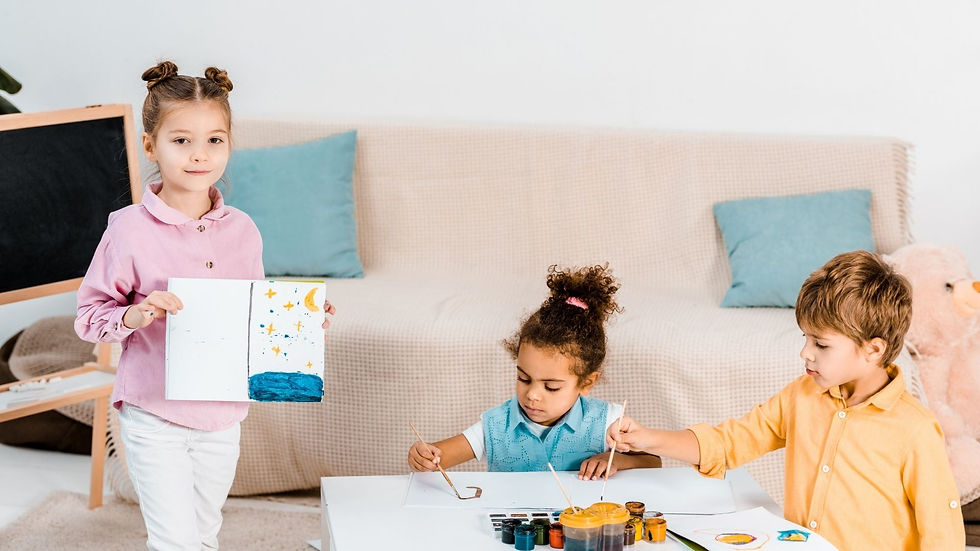
Here is how a daily routine matters for preschoolers:
Reduces daily meltdowns and resistance: When the day follows a familiar pattern, preschoolers fight transitions less because it feels predictable.
Builds emotional security: A simple homeschool preschool schedule helps children feel safe, which makes learning easier.
Improves attention and participation: Kids focus better when learning time is broken into short, consistent blocks rather than random bursts.
Makes transitions smoother: Moving from play to reading to snack becomes easier when the order stays similar each day.
Supports independence: Preschoolers start doing small tasks on their own (cleaning up, washing hands, picking a book) because they know the routine.
Creates better learning habits early: A routine lays the foundation for listening, following directions, and completing small activities without pressure.
Helps parents stay consistent: A repeatable structure reduces decision fatigue. You waste less time each hour planning “what next?”
Allows flexibility without chaos: You can change activities while keeping the same flow. That’s how the schedule works in real life.
Once you understand the value of routine, the next step is learning to structure a schedule that truly works for young children.
Key Principles of an Effective Homeschool Preschool Schedule
Here are some of the key principles of an effective homeschool preschool schedule:
Keep the structure, not the clock
A preschool schedule works best when it follows the same order each day, even if the timing changes. Think “morning basket → movement → snack,” not “9:00 sharp.”
Use short learning blocks
Preschoolers learn in small bursts. Aim for 10–15 minute activity windows, then switch or break. Long sit-down lessons usually backfire.
Start with connection before the instruction
A quick check-in, cuddle, song, or read-aloud first helps your child feel regulated and ready to participate.
Alternate active and calm activities
Balance high-energy moments (movement, sensory play) with quieter moments (books, puzzles, drawing). This prevents overstimulation.
Prioritize play as the main learning method
The strongest homeschool preschool schedule uses play to build language, math readiness, motor skills, and problem-solving. Play is not “extra.” It is the core.
Build a routine around basic needs
Preschool flow is smoother when you plan around snack, potty, outdoor time, and rest. Most behavior issues happen when these needs are ignored.
Repeat what works and rotate what doesn’t
Use the same anchors daily (morning song, story time, tidy-up), but rotate activities weekly to keep interest high.
Keep materials simple and reachable
If you need 15 minutes of setup, you won’t do it consistently. Use a small basket of ready-to-go supplies and rotate it.
With these principles in mind, let’s look at what a real homeschool preschool day might actually look like.
Sample Daily Homeschool Preschool Schedule (Ages 3–5)

This sample homeschool preschool schedule is meant to show flow, not fixed times. You can stretch, shorten, or rearrange sections based on your child’s energy and your family’s day.
A Gentle Morning Routine
Start the day slowly and predictably. This helps preschoolers feel safe and ready to engage.
This part of the day can include waking up, getting dressed, breakfast, and a short connection activity like a song, cuddle, or read-aloud. There is no rush into “school.” The goal is emotional regulation and connection before learning begins.
A calm morning sets the tone for the rest of the homeschool preschool schedule.
Morning Learning Block
This is the most focused part of the day, but it should still feel light and playful.
Include one or two short activities such as:
Storytime with discussion.
Alphabet sounds or letter play.
Counting with objects.
Simple puzzles or matching games.
Keep this block short, usually 20–30 minutes total, broken into smaller segments. Stop while your child is still engaged rather than pushing for more.
Creative & Hands-On Play
After focused learning, shift into creativity and exploration. This block supports fine motor skills, language development, and imagination. Activities might include drawing, painting, building with blocks, pretend play, or sensory bins. There does not need to be a specific outcome. Exploration itself is the learning.
Outdoor Time & Movement
Movement is essential in any homeschool preschool schedule. Outdoor time can include free play, walking, riding a tricycle, nature observation, or simple games. If outdoor time isn’t possible, indoor movement like dancing, stretching, or obstacle courses works well. This block helps release energy and improves focus for later in the day.
Lunch & Rest Time
Lunch is part of learning, not a break from it. Use this time for conversation, storytelling, and building independence. After lunch, offer quiet rest time. This might be a nap, quiet reading, puzzles, or calm play. Not all preschoolers nap, but all benefit from a slower, quieter period.
Afternoon Low-Key Activities
Afternoons are best kept simple and flexible. This is a good time for:
Listening to stories or audiobooks.
Free play.
Helping with household tasks.
Light review through play.
Avoid introducing brand-new concepts here. The focus is winding down, not pushing learning.
Closing the Day
End the day with familiarity and calm. This might include cleaning up together, reflecting on the day, reading a favorite book, or singing a closing song. These small rituals help preschoolers feel secure and complete the daily learning loop. A gentle close makes the next day’s homeschool routine easier to begin.
Now that you’ve seen a sample day, a common question parents ask is how much learning time is actually enough.
How Long Should Preschool Learning Take Each Day?

Preschool learning does not need to take hours to be effective. At ages 3–5, children learn best in short, playful bursts. A simple homeschool preschool schedule works when it matches their
attention span and daily energy.
Age 3: 30–60 minutes of guided learning (split into small chunks)
Age 4: 45–90 minutes of guided learning
Age 5: 60–120 minutes of guided learning
This “learning time” includes read-alouds, early literacy and math games, crafts with a purpose, sensory play, and simple science exploration. It does not mean sitting for long lessons.
Preschool is about building love for learning, not pushing long academic hours. A shorter, consistent routine almost always works better than a long schedule that leads to burnout.
Learning time also looks different as children grow, so adjusting your schedule by age makes a big difference.
How Do You Adjust Your Homeschool Preschool Schedule by Age?
A homeschool preschool schedule should change as your child grows. Attention span, independence, and learning readiness look very different at ages 3, 4, and 5. Adjusting expectations by age helps keep learning enjoyable and stress free.
Age 3: Keep It Short, Playful, and Flexible
At age 3, learning happens best through play, movement, and imitation. Formal lessons are not necessary, and the structure should be very gentle.
What does a schedule look like?
1–2 short learning moments per day.
5–10 minutes per activity.
Focus on routines rather than outcomes.
Best activities at this age:
Read-alouds and storytelling.
Songs, rhymes, and finger plays.
Sorting, stacking, and simple puzzles.
Sensory play like water, sand, or playdough.
At this stage, the goal is exposure and curiosity, not mastery. If your child wanders off, that is normal and expected.
Age 4: Add Light Structure and Repetition
Four-year-olds can handle slightly more structure while still needing plenty of movement and play. This is a good age to introduce predictable routines.
What a schedule should look like:
2–3 learning blocks per day
10–15 minutes per activity
Repeated daily rhythm rather than strict timing
Best activities at this age:
Letter sounds and early phonics games
Counting, number recognition, and patterns
Art projects with simple directions
Story retelling and conversation-based learning
At age 4, consistency matters more than duration. Repeating the same routine helps children feel confident and ready to participate.
Age 5: Increase Focus, Keep It Balanced
By age 5, many children are ready for longer focus periods and more intentional learning. This does not mean long school days, but it does allow for deeper engagement.
What a schedule should look like:
3–4 learning blocks per day
15–20 minutes per activity
Clear start and end to learning time
Best activities at this age:
Early reading and writing practice
Simple math games and problem-solving
Science exploration and nature study
Creative projects with planning and follow-through
Five-year-olds still need movement, breaks, and flexibility. A balanced schedule mixes focused learning with play and rest.
Even with the right structure, some challenges are common. Knowing what to avoid can save a lot of frustration.
Common Mistakes Parents Make With Preschool Schedules

Creating a homeschool preschool schedule is helpful, but many parents unintentionally make it harder than it needs to be. Preschool learning works best when routines support development rather than pressure it.
Here are some common mistakes to watch out for.
Making the Schedule Too Rigid
Preschoolers thrive on predictability, not strict timing. Expecting activities to start and end at exact times often leads to frustration. Young children need flexibility for mood, energy levels, and natural curiosity.
Planning Too Many Activities in One Day
Trying to fit reading, writing, math, crafts, science, and worksheets into a single day can overwhelm both parent and child. Preschool learning is more effective with fewer activities done consistently rather than many done briefly.
Expecting Long Attention Spans
Preschoolers are not designed for extended focus. Scheduling long learning blocks often results in resistance or disengagement. Short, meaningful activities followed by movement or play work far better.
Confusing Play With “Not Learning”
Many parents feel pressure to make learning look academic. In reality, play is how preschoolers learn best. Pretend play, building, drawing, and outdoor exploration all support cognitive, social, and language development.
Comparing Schedules to Other Families
Every child develops differently. Comparing your homeschool preschool schedule to others can lead to unnecessary doubt. What works for one family or child may not work for another.
Skipping Rest and Downtime
Preschoolers need rest, quiet time, and unstructured play. Over-scheduling the day without breaks can lead to meltdowns and burnout, even at a young age.
Changing the Schedule Too Often
Constantly adjusting the routine can make children feel unsettled. While flexibility is important, frequent changes prevent preschoolers from building comfort and confidence with daily rhythms.
Measuring Success by Output Instead of Engagement
Finishing activities or worksheets is not the goal at this age. Engagement, curiosity, and willingness to participate matter far more than completed work.
Support and guidance can make routines easier to maintain, especially when parents don’t want to plan everything on their own.
How Does TSHA Support Preschool Families With Daily Routines?
Preschool routines work best when parents have clarity, flexibility, and age-appropriate guidance. The School House Anywhere (TSHA) is designed to support exactly that. Instead of asking families to design routines from scratch, TSHA provides a clear framework that fits naturally into real preschool days.
A Curriculum Designed for Preschool Development
TSHA’s American Emergent Curriculum (AEC) is built around how young children actually learn. Instead of lengthy lessons or screen-heavy instruction, it emphasizes hands-on exploration, storytelling, movement, and play. This makes it easy to organize learning into short, meaningful blocks that fit into preschool routines.
Non-Screen, Hands-On Learning That Matches Daily Rhythms
Preschoolers learn best through doing. The TSHA method emphasizes physical materials, conversation, and real-world activities over screen time. This lets learning fit into playtime, outdoor movement, meals, and rest without disrupting the day.
Ready-to-Use Materials That Reduce Daily Planning Stress
TSHA offers many printable activity guides, training films, and resources. Parents know what to offer each day without overthinking. This makes daily routines predictable but flexible.
Flexible Structure Without Strict Schedules
Instead of hourly schedules, TSHA organizes learning into six-week sessions. Parents know what to focus on at a given time but adjust daily based on their child's energy, attention, and interests. It promotes consistency without pressure.
Support for Parents, Not Just Children
Supporting parents simplifies daily tasks. TSHA provides educator support, parent coaching, and community access so families can ask questions, get reassurance, and make changes with confidence. Parents need not wonder if they are “doing enough.”
Holistic Focus Beyond Academics
Preschool learning includes social, emotional, and physical development, says TSHA. Activities encourage communication, independence, confidence, curiosity, and early academic skills, complementing well-rounded daily routines.
The School House Anywhere (TSHA) helps preschool families create calm, consistent, and realistic daily routines without making learning difficult using developmentally aligned curriculum, practical resources, and ongoing parent support.
Conclusion
Ready to build a preschool routine that feels simple, supportive, and sustainable? Explore The Schoolhouse Anywhere and discover how its hands-on curriculum can help you create confident, stress-free homeschool preschool days.
FAQs
1. Do preschoolers really need a daily homeschool schedule?
Yes, but it should be gentle and flexible. A predictable routine helps preschoolers feel secure and understand what comes next, even if the timing changes from day to day.
2. How long should a homeschool preschool day last?
Most preschoolers only need 1–2 hours of intentional learning spread throughout the day. The rest of their learning happens through play, movement, conversation, and everyday activities.
3. What if my child doesn’t follow the schedule consistently?
That’s normal. Preschool schedules are guides, not rules. If a child needs more movement, rest, or free play on a given day, adjusting the routine supports learning better than forcing the plan.
4. Can I homeschool preschool without worksheets or screens?
Absolutely. Preschool learning works best through hands-on activities, storytelling, art, music, and real-life experiences. Many families choose screen-light or screen-free approaches at this stage.



Comments