Microschool vs Private School: Key Differences Explained

Choosing the right learning environment for your child is a big decision. With more families exploring alternatives to traditional schooling, two options often come up: microschools and private schools. Both offer strong academics, smaller class sizes, and personalized attention. They work differently, so knowing the differences can help you choose the best one for your child's needs, personality, and learning style.
Microschools are small, community-based learning environments with a flexible curriculum and a highly personalized approach. Private schools are more like traditional schools but have smaller classes, structured programs, and good academic histories.
This blog breaks down everything about microschool vs private school so you can make a confident, informed choice.
TL;DR
Microschools are very small, community-based learning environments (often 5–15 students) with flexible, interest-led curriculum, mixed-age groups, and high parent involvement.
They prioritize hands-on, low-pressure, highly personalized learning.
Private schools are independently funded, structured institutions with accredited curriculums, certified teachers, strong academic standards, and a wide range of facilities and extracurricular activities, but with higher tuition and more formal routines.
Key differences include class size (much smaller in microschools), curriculum flexibility (high in microschools, structured in private schools), social environment (intimate vs broader peer exposure), support services (limited vs more specialist staff), and cost (microschools usually more affordable than private schools).
Choose a microschool if you want a calm, nurturing, personalized environment where learning adapts to your child’s interests, pace, and needs, and you value flexibility and close community.
Choose a private school if you want academic structure, clear benchmarks, professional staff, and broad opportunities in sports, arts, and clubs within an established school culture.
What is a Microschool?
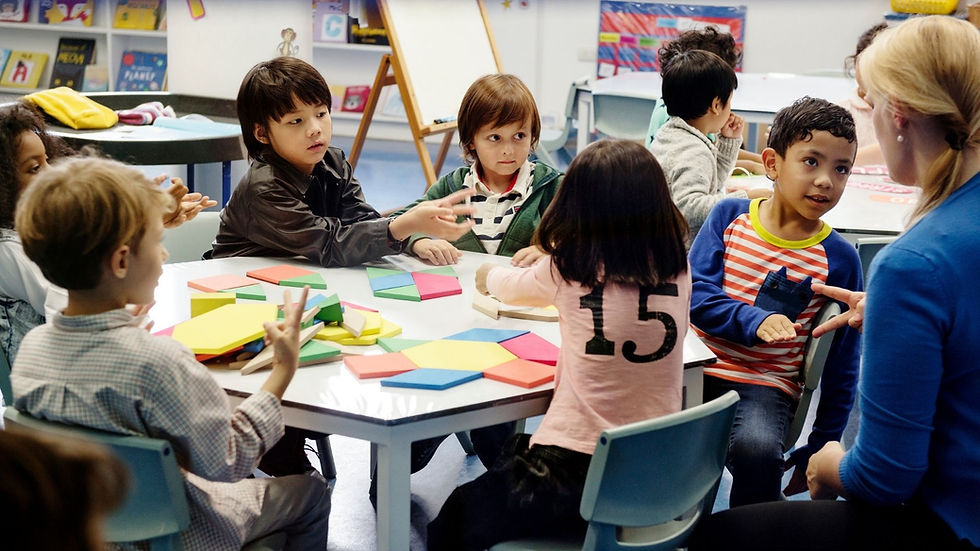
A microschool is a small, community-based school that provides personalized, flexible, and meaningful education. It's like a modern, smaller school with 5 to 15 students where teachers have time to get to know each child's strengths, interests, and learning pace.
Microschools combine homeschooling, private schooling, and project-based learning. They offer structure and professional guidance like a school, but with the intimacy, creativity, and flexibility that families love in alternative education.
Understanding the core idea behind microschools helps, but their real strength lies in the specific features that make these small learning communities so unique. Let’s explore those next.
Key Features of Microschool

Here’s what typically defines a microschool:
1. Very Small Class Sizes
With just a handful of students per class, teachers can give more one-on-one attention than in traditional schools. Every child is seen, heard, and supported.
2. Personalized and Hands-On Learning
Microschools prioritize real-world experiences, projects, outdoor learning, and thematic lessons. Children learn by doing, not memorization.
3. Flexible Curriculum and Daily Schedule
Microschools allow teachers to adapt lessons to student curiosity, developmental needs, and spontaneous learning instead of following a schedule.
4. Strong Community and Family Involvement
Many microschools are founded by educators or parents who share common values about learning. This creates a warm, collaborative, close-knit community.
5. Mixed-Age Classrooms
Students often learn in groups that combine multiple ages, encouraging leadership, teamwork, and peer mentorship.
6. Alternative to Traditional Schooling
Microschools offer structure for families who want more guidance than homeschooling, but more personalization and flexibility than private or public schools.
With these defining features in mind, the next step is to look at the advantages microschools offer for both children and families.
Must Read: Best Free Online Student Planner Tools
Pros of a Microschool

Microschools offer a fresh, personalized alternative to traditional schooling. With small class sizes, flexible learning, and strong teacher-student relationships, they create an environment where children can learn confidently and meaningfully.
Here are the key benefits explained more concisely:
1. Truly Personalized Attention for Every Child
Teachers can get to know each student's learning style, struggles, and interests with only a few students per class. This level of individual attention fosters children's growth at their own pace and prevents them from becoming lost in the crowd.
2. Flexible, Adaptive Curriculum
Microschools are not tied to rigid textbooks or strict schedules. Lessons often shift based on student curiosity, real-world opportunities, and hands-on exploration. This flexibility makes learning more relevant and engaging, helping children understand concepts in deeper, more meaningful ways.
3. Strong Sense of Community and Belonging
Because microschools are small and values-driven, students and families form close connections. Children feel comfortable and supported, parents stay involved in their child’s learning, and educators build strong partnerships with families. This community feel creates a warm, trusting environment for everyone.
4. Low-Pressure, Low-Stress Environment
Microschools focus on learning and growth rather than grades and standardized tests. Children can slow down or move ahead as needed without feeling stressed or compared to others. This relaxed atmosphere boosts confidence and makes learning more enjoyable.
5. Hands-On, Experiential Learning
Instead of relying mainly on textbooks, microschools use projects, outdoor activities, creative work, and real-world tasks to teach key concepts. This active learning approach keeps students engaged and helps them understand lessons more fully.
6. Multi-Age Classrooms That Build Social Skills
Many microschools blend ages, allowing younger children to learn from older peers and older students to take on leadership roles. This mixed-age setup encourages collaboration, empathy, independence, and healthy social development.
7. Support for Diverse Learners
Microschools have the flexibility to adjust lessons for children with different learning styles, neurodiverse needs, or sensory preferences. Teachers can make quick changes to support each child, creating an inclusive environment where everyone can succeed.
8. High Parent Involvement Without Full Teaching Responsibility
Parents need not homeschool their children, but they are active partners in their education. Teachers guide daily instruction and planning while providing consistent communication and insight.
9. More Affordable Than Traditional Private Schools
Because they operate on a smaller scale with fewer administrative costs, microschools often provide personalized education at a much lower cost than private schools. Families get high-quality instruction without the high tuition fees.
10. A Safe, Nurturing Learning Space
Small groups create a calmer, safer environment where bullying and social pressure are less common. Teachers can guide emotional development more closely, helping children feel secure, supported, and confident.
While microschools have many strengths, it’s also important to look at the challenges so you can make a balanced and informed decision.
Cons of Microschool

While microschools offer flexibility and personalization, they also come with limitations that families should consider. Parents can decide if this learning model fits their child's needs, long-term goals, and lifestyle by understanding these challenges.
1. Limited or No Accreditation
Independent microschools may not be accredited by state or national agencies. Transferring to a traditional school can be difficult, especially in upper grades. Parents who value formal transcripts or standardized academic recognition may need to verify or use supplemental programs.
2. Fewer Extracurricular Activities
Microschools are small and budget-conscious, so they cannot offer as many sports teams, arts programs, clubs, or events as private or public schools. Music, athletics, and competitive programs may require families to travel outside the school, requiring coordination.
3. Mixed-Age Classrooms May Not Suit Every Child
Many microschools blend multiple ages in the same classroom. Many students benefit from this setup, but those who feel outpaced by older or unchallenged by younger peers may struggle. Parents must watch how their child handles mixed-age learning and whether it boosts confidence.
4. Limited Access to Specialists and Support Services
Unlike larger schools, microschools typically don’t have on-site professionals such as speech therapists, occupational therapists, counselors, or specialized subject teachers. Families with children who need regular support may have to arrange external services, which can add cost and complexity.
5. Variability in Quality and Oversight
Microschools are self-run and lightly regulated, so their quality can vary greatly. Veteran teachers lead some, while others are newer and still setting standards. Parents should examine teaching experience, philosophy, and community feedback before enrolling.
6. Smaller Peer Group and Social Circle
Microschools offer warm, close-knit communities, but the small number of students can limit social variety. Some children may want more peers to choose from or broader opportunities to build friendships. Families might need to participate in community groups or co-ops to expand social exposure.
7. Tuition Can Still Be a Financial Commitment
Although microschools are generally more affordable than private schools, they still require tuition. Families who use tutors, therapists, or extracurricular programs may find the cost high.
8. Limited Long-Term Structure or Established Reputation
Many microschools are young, growing, or evolving models. This means they may lack the long-standing structure or reputation that traditional schools offer. Families looking for a consistent K–12 pathway might find the microschool model less predictable over time.
We must also understand traditional private schools' characteristics and operations to compare microschools fairly.
What is a Private School?

A private school is an independently funded educational institution that operates outside the public school system. Instead of relying on government funding, private schools are supported through tuition, donations, and private organizations.
This independence allows them to create their own curriculum, teaching methods, and school culture, which is why many private schools are known for strong academics, structured environments, and a wide range of extracurricular programs.
Certified teachers, clear academic standards, and established routines are typical of private schools, but with smaller class sizes, more resources, and a greater focus on individualized learning opportunities. Families often choose private schools for their reputation, stability, professional staff, and well-rounded educational experience.
Now that you know the foundation of how private schools work, let's explore the features that shape their structure, environment, and learning approach.
Key Features of Private School
Whether secular, religious, Montessori, Waldorf, college-prep, or other, most private schools share several traits.
Here are the key features that define them:
1. Structured and Accredited Curriculum
Private schools usually follow a structured, accredited academic program that aligns with educational standards. This helps ensure smooth grade progression, easy transcript transfer, and strong preparation for higher education. Families often value this predictability and consistency.
2. Professional, Certified Teachers
Most private schools hire trained and certified educators who specialize in specific subjects or grade levels. Children receive strong academic support and experience in instructional planning, assessment, and student development from teachers with this level of expertise.
3. Smaller Class Sizes Than Public Schools
While not as small as microschools, private schools still maintain lower student-to-teacher ratios compared to public schools. With typically 18–25 students per class, teachers can offer more personalized help, track progress more effectively, and manage classrooms more efficiently.
4. Wide Range of Extracurricular Activities
Private schools often offer extensive extracurricular opportunities, including sports teams, art classes, robotics clubs, drama programs, language courses, and academic competitions. Families who want a well-rounded school experience often appreciate the variety of enrichment programs available.
5. Dedicated Facilities and Learning Resources
Most private schools have well-equipped campuses with libraries, science labs, playgrounds, art rooms, music studios, and athletic facilities. These resources help create a stimulating environment where students can explore different interests and talents.
6. Strong School Culture and Community Traditions
Private schools usually place a strong emphasis on school identity, community traditions, and shared values. This can include annual events, house systems, uniforms, assemblies, and parent associations that create a cohesive, structured school culture.
7. Clear Standards, Testing, and Academic Expectations
Private schools often set high academic expectations and use regular assessments to monitor student performance. Families who value rigorous learning and clear benchmarks often locate this structure reassuring.
8. Higher Tuition Costs
Families must pay tuition for privately funded schools. Costs vary by school reputation, facilities, and programs, but they are usually higher than microschooling or homeschooling.
These characteristics explain why many families choose private schools, so let’s look at the advantages they offer in more detail.
Pros of a Private School
Here are some of the pros of a private school:
Strong Academic Structure
Private schools follow accredited, well-organized curriculums that support consistent learning. This gives parents confidence in smooth progression and academic stability.
Certified and Experienced Teachers
Students learn from trained professionals who specialize in specific subjects. This ensures high-quality instruction and reliable academic guidance.
Smaller Class Sizes Than Public Schools
Classes are more manageable, allowing teachers to give individualized feedback. Students benefit from better focus, support, and classroom interaction.
Wide Range of Extracurricular Activities
Private schools offer sports, arts, music, robotics, clubs, and more. These opportunities help children discover new interests and develop well-rounded skills.
Better Facilities and Learning Resources
Campuses often include labs, libraries, art studios, playgrounds, and athletic areas. These resources enrich daily learning and provide more exploration opportunities.
Strong School Culture and Community Traditions
Events, values, and shared rituals build a sense of belonging. Families often appreciate the consistency and identity created by the school community.
Clear Academic Expectations and Standards
Students follow structured assessments and benchmarks that guide their growth. This helps track progress and maintain a predictable academic pathway.
Private schools aren't perfect either, of course. Knowing the possible problems can help you compare them more accurately to microschools.
Cons of a Private School

Now, let us take a closer look at some of the cons of a private school:
High Tuition Costs
Private schooling can be expensive, with tuition plus additional fees. This financial commitment may be challenging for many families.
Limited Flexibility in Curriculum
Students follow a fixed academic program with little room for customization. Children must adapt to the school’s structure rather than their personal pace or interests.
Higher Academic Pressure
Private schools often emphasize grades, exams, and performance. This environment may increase stress levels for some learners.
Class Sizes Still Larger Than Microschools
While smaller than public schools, classes still average 18–25 students. Children do not receive the same level of one-on-one attention as they would in a microschool.
Not Always Ideal for Diverse Learners
Traditional structures may not fully support neurodiverse students or those needing flexible learning approaches. External services might still be required.
Strict Schedules and Routines
Families must adhere to set school timings, calendars, and daily routines. This can limit flexibility for travel, life events, or alternative learning experiences.
Potential Social Pressure
Larger peer groups can lead to cliques, comparison, or social discomfort. Sensitive or introverted children may find this environment challenging.
Now that we’ve examined both models individually, let’s compare them directly to see how they differ in practice.
Microschool vs Private School: Key Differences Explained
Choosing between a microschool and a private school can feel overwhelming, especially when both offer strong academics and supportive learning environments. But the way they work, from the number of students in each class and the way they are taught to the flexibility of the curriculum and the sense of community, can make each child's experience very different. Understanding these differences is essential for finding the right fit for your child’s learning style, personality, and long-term needs.
Below, we break down the key differences to help you make an informed decision for your family.
Aspect | Microschool | Private School |
Class Size | Very small groups (5–15 students) | Larger than microschools (18–25 students) |
Curriculum Flexibility | Highly flexible, interest-led, hands-on | Structured, accredited, and standardized |
Teaching Style | Personalized, project-based, mixed-age | Traditional instruction by certified teachers |
Social Environment | Close-knit, community-driven | Larger peer groups with diverse social exposure |
Extracurricular Activities | Limited due to small size | Wide variety of sports, arts, and clubs |
Cost | More affordable than private schools | Higher tuition and additional fees |
Support Services | Limited specialists and facilities | Access to counselors, therapists, and advanced resources |
Parent Involvement | High collaboration with educators | Moderate involvement through school structures |
Learning Pace | Adapts to each child’s needs | Follows grade-level expectations and benchmarks |
School Culture | Intimate, family-like environment | Established traditions, routines, and community identity |
Let us take a quick look at all the differences in complete detail:
1. Class Size
Microschools typically operate with very small groups, allowing teachers to give individualized attention and build strong relationships with every child. Private schools have smaller classes than public schools but are still larger than microschools, which means personalization is present but not as individualized.
2. Curriculum Flexibility
Microschools are known for their flexible approach, often blending hands-on projects, outdoor learning, and interest-led activities. Private schools follow structured, accredited curriculums that provide consistency but less room for spontaneous learning.
3. Teaching Style
Teaching in microschools tends to be fluid and personalized and often includes mixed-age classrooms where collaboration and peer learning naturally happen. Private schools use traditional instruction led by certified teachers who follow clear grade-level expectations and academic plans.
4. Social Environment
Microschools offer a close-knit social experience where children connect deeply with peers and educators. Private schools provide broader social exposure, with larger student bodies, diverse personalities, and more social opportunities.
5. Extracurricular Activities
Microschools may have limited extracurricular programs due to their size and resources. Private schools often offer a wide range of sports, clubs, arts, competitions, and enrichment activities, giving students many options to explore their interests.
6. Cost
Because microschools have lower overhead costs, tuition is generally more affordable. Private schools require higher tuition to support professional staff, facilities, and extensive programs.
7. Support Services
Microschools may not have on-site specialists such as counselors, therapists, or advanced subject teachers. Private schools typically have trained staff and dedicated facilities to support students academically, emotionally, and physically.
8. Parent Involvement
Microschools rely on strong parent-educator collaboration and open communication. Private schools involve parents through meetings, associations, and school events, but the daily learning responsibilities stay firmly with the educators.
9. Learning Pace
Microschools adjust learning speed based on each child’s readiness and interests, which helps prevent academic pressure. Private schools follow grade-level standards, which ensure consistency but allow less flexibility.
10. School Culture
Microschools create a warm, family-like environment with strong relationships and values shared by educators and parents. Private schools have established traditions, community events, and institutional identity that provide structure and long-term stability.
With these differences clearly laid out, the next step is deciding which option aligns best with your child’s needs and your family’s values.
Choose Which One is Right for You: Microschool vs Private School

Deciding between a microschool and a private school ultimately comes down to your child's needs, your family’s lifestyle, and the type of learning environment you value most. Both options offer strong academic experiences, but they support children in very different ways.
Choose a Microschool if You Want Personalized, Flexible Learning
Microschools are ideal for families who want a small, nurturing environment where learning adapts to each child’s interests and pace. If your child thrives with hands-on activities, close teacher attention, and a calm, low-pressure setting, a microschool offers the freedom and personal support that can help them flourish. Microschools also suit families who value flexibility and a strong community connection.
Choose a Private School if You Prefer Structure and Broad Opportunities
Private schools are a better fit for families who want an academically structured environment with professional teachers, clear standards, and a wide range of extracurricular activities. If your child enjoys organized routines, larger peer groups, and access to sports, clubs, and facilities, a private school provides a more traditional and well-resourced educational experience.
The Best Choice Depends on Your Child
Every child learns differently. Some need structure and group energy; others thrive with flexibility and close-knit support. There is no "one-size-fits-all" answer. The best place for your child to learn is where they feel safe, connected, and excited.
If you like how personalized and flexible microschools are, having the right support system can make the process go much more smoothly. That's where TSHA comes in.
Start Your Personalized Learning Journey with TSHA
If the idea of a small, flexible, and deeply personalized learning environment resonates with you, The School House Anywhere (TSHA) is here to guide your next steps.
Here’s how TSHA helps you bring the microschool model to life:
Curriculum Designed for Microschools
The American Emergent Curriculum (AEC) is a hands-on, nonreligious, developmentally aligned program that was made to be learned in small groups. AEC adapts to different ages and abilities, making mixed-age classrooms smooth and effective.
Support for Educators, Parents & Microschool Founders
Get ongoing guidance through live educator gatherings, weekly office hours, and 24/7 support. Whether you're teaching, co-teaching, or building a microschool from the ground up, TSHA's expert team is there every step of the way.
Flexible Tools for Personalized Learning
Use our planning and assessment tools to create a learning experience that fits each child’s needs. From daily lesson guidance to developmentally aligned goals, TSHA helps you maintain clarity and consistency without rigid constraints.
Community and Collaboration
Connect with a warm network of educators, parents, and micro-school leaders across the country. Share ideas, get inspiration, and learn from others who are embracing small-group, child-centered education.
Progress Tracking and Administrative Support
TSHA's Transparent Classroom and portfolio tools simplify record-keeping, documentation, and progress tracking, helping you stay organized and compliant while focusing on meaningful learning.
Before wrapping up, let's bring everything together with a clear conclusion to guide your next steps.
Conclusion
Choosing between a microschool and homeschooling comes down to what feels right for your child and the rhythm of your family life. There are differences in how the two models deliver flexibility, personalization, and meaningful learning experiences. Homeschooling gives you complete control over your child's education and allows learning to unfold at your pace. Microschools, on the other hand, provide a small, nurturing community with professional guidance and the social connection many kids thrive on.
There is no "better" choice. The best option is the one that works for your child, your schedule, and the support you need as a parent or teacher. Some families prefer the closeness and freedom of homeschooling, while others find comfort in the structure and collaboration of microschools.
Whichever path you choose, The School House Anywhere (TSHA) is here to support you every step of the way. From hands-on curriculum to parent and educator guidance, TSHA makes it easier to build the learning environment your child deserves.
Ready to explore a flexible, child-centered education? Join The Schoolhouse Anywhere and start your learning journey with confidence.
FAQs
1. What is the main difference between a microschool and homeschooling?
Homeschooling is parent-led and happens at home, while microschools are small, community-based programs led by educators. The key difference is who teaches and where learning happens.
2. Which option offers more flexibility: microschool or homeschool?
Homeschooling offers the most flexibility since parents control the schedule, curriculum, and pacing. Microschools offer some flexibility but still follow a guided daily routine.
3. Can a child switch between homeschooling and a microschool?
Yes. Many families transition between the two depending on their lifestyle, work schedules, or their child's needs. Both models are adaptable and can support smooth transitions.
4. Do microschools follow a standard curriculum?
Some do, but many use flexible or alternative curriculums designed for small-group learning. Parents should ask about curriculum structure, accreditation, and learning goals before enrolling.
5. Which option works better for parents who work full-time?
Microschools are often more practical for working parents because educators handle daily instruction. Homeschooling requires significant time and involvement from the parent.

Comments