Christian Microschools Transforming Education in Arizona

Arizona families are discovering a new educational path that combines faith, personalized learning, and community support. As traditional school systems struggle with overcrowded classrooms and rigid structures, many parents are turning to Christian microschools as an alternative that honors their values while meeting their children's unique needs.
The landscape has shifted dramatically since 2022. Over 80,000 Arizona students now participate in the state's Empowerment Scholarship Account (ESA) program, up from just 12,000 two years ago. This surge has fueled the growth of Christian micro school options, giving families the freedom to choose education that aligns with their beliefs and their children's learning styles.
Throughout this blog, we'll explore what makes Christian microschools unique, why Arizona has become a hotspot for this educational model, and how programs like The School House Anywhere offer secular alternatives for families seeking personalized, hands-on learning without a faith-based component.
What Are Christian Microschools?
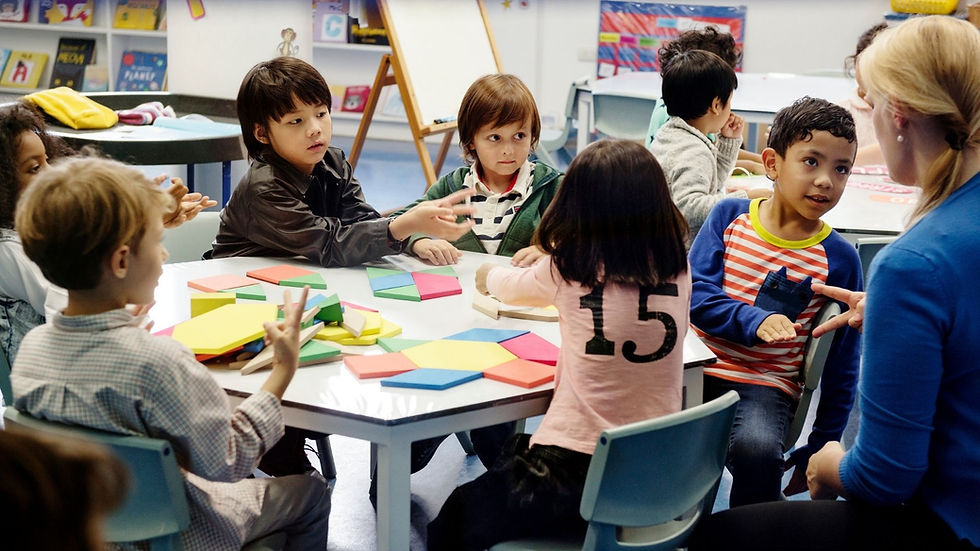
A Christian microschool brings together small groups of students, typically 5 to 15 children, in intimate learning environments guided by faith-centered values. Unlike traditional schools with 20-30 students per classroom, these small settings allow for genuine relationships between educators and students.
These schools operate in homes, churches, storefronts, and community centers throughout Arizona. The Christian microschool model emphasizes the integration of a biblical worldview, in which subjects such as science, history, and literature connect to faith principles.
Parents choose this path for several reasons. They want education that reinforces what they teach at home. They seek smaller class sizes where their child won't get lost in the shuffle. They value the flexibility that traditional schools can't provide.
Why Arizona Has Become a Microschool Hub?

Arizona’s education freedom makes it an appealing state for Christian microschools. Compared to states with heavy regulation, Arizona offers families and educators far more flexibility.
Minimal regulations create opportunity
Microschool teachers aren’t required to hold state certification, and schools don’t need accreditation to operate. Private schools must register with the Department of Education, file an affidavit of intent, and teach core subjects like reading, math, science, and social studies. Beyond that, schools have wide freedom in how they teach.
ESA funding expands access
Arizona’s Empowerment Scholarship Account (ESA) program allows families to use state education funds for microschool tuition, curriculum, tutoring, and enrichment. For many families, ESA funding fully covers the cost of a Christian microschool, making flexible, faith-based education far more accessible than traditional private schools.
The Christian Microschool Experience
Walking into a Christian microschool feels different from entering a traditional classroom. Students might gather around a kitchen table for morning devotions, move to a backyard garden for science observations, then settle into focused math work at individual desks.
Small Groups, Big Impact
Class sizes matter more than most people realize. With 8-12 students, teachers know each child's strengths, struggles, learning pace, and personality. They adapt lessons on the fly.
This personalized attention addresses one of the biggest frustrations parents express about public schools.
Faith-Integrated Learning
Christian microschools weave biblical principles throughout the day. Morning might start with scripture memory and prayer. Science lessons explore creation and the complexity of living systems. History classes examine how faith shaped civilizations. Literature discussions consider character development and moral choices.
Parents appreciate this integration. According to recent national data, 53% of homeschooling parents cite the desire to provide religious instruction as a key motivation. Christian microschools offer this without requiring parents to teach every subject themselves.
Flexible Schedules
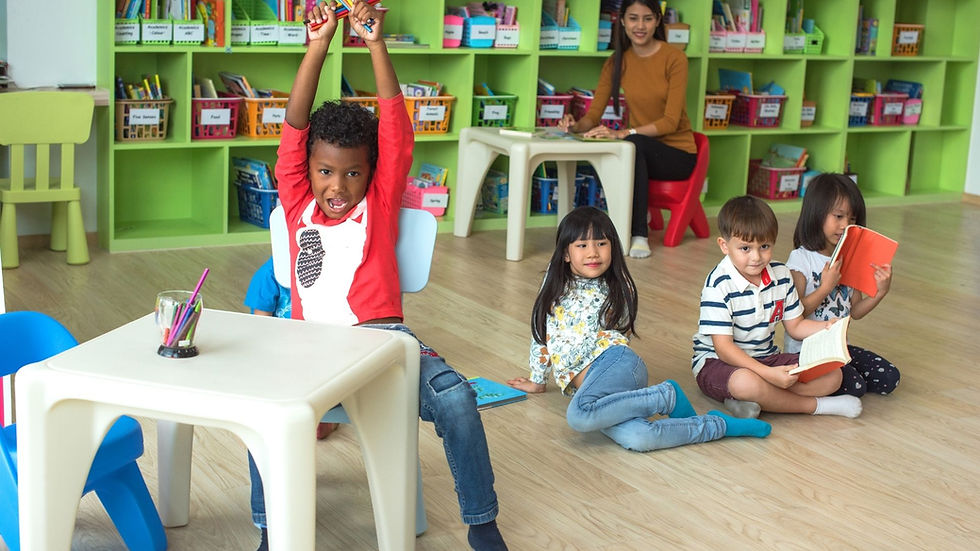
Many Arizona Christian microschools operate 2-4 days per week, allowing families to maintain some homeschool activities. Some run morning-only sessions for younger students. Others offer afternoon programs for older children.
This flexibility accommodates diverse family situations. Parents who work part-time can participate more actively. Travel families can maintain consistency while on the road. Children with afternoon therapy appointments don't miss core instruction.
Benefits of Christian Microschools

The Christian microschool model addresses several challenges families face with traditional education options.
Academic Excellence in Small Settings
Research consistently shows strong academic outcomes for students in personalized learning environments. Homeschooled students, a comparable model to microschools, typically score 15-25 percentile points higher than public school students on standardized tests.
Small class sizes allow teachers to identify and address learning gaps immediately. Students don't slip through cracks or sit confused while the class moves forward. This individualized attention produces confident learners who understand concepts deeply rather than memorizing for tests.
Character Development and Community
Christian microschools emphasize character formation alongside academic growth. Students learn service, integrity, compassion, and responsibility in daily interactions. Mixed-age groupings allow older students to mentor younger ones, building leadership skills and empathy.
The community extends beyond the classroom. Families often share similar values and parenting philosophies, creating support networks that last beyond school years. Parents collaborate on field trips, share resources, and encourage one another through challenges.
Safe, Nurturing Environments
Safety concerns drive many families toward alternative education. National data shows 83% of parents who homeschool cite concern about school environment, including safety, drugs, and negative peer pressure, as a primary reason.
Christian microschools provide controlled environments where parents know every family and teacher. Bullying gets addressed immediately. Peer influence aligns with family values. Children feel secure and accepted.
Cost-Effective Quality Education
With ESA funding, Christian microschools become accessible to families across income levels. The $6,800 average tuition gets largely or entirely covered by the approximately $6,966 ESA allocation. Some schools offer scholarships for any remaining balance.
Parents avoid the hidden costs of traditional schooling: expensive fundraisers, constant supply requests, and the need for after-school care. Microschools often include enrichment activities and field trips in tuition, simplifying budgeting.
Ready to explore personalized learning options? Discover how The School House Anywhere provides a comprehensive secular curriculum that brings hands-on learning to your family or micro-school.
Challenges and Considerations
Christian microschools aren't the right fit for every family. Knowing the potential challenges helps parents make informed choices.
Limited oversight varies by program
Arizona’s light regulation offers flexibility but leads to vast differences in quality. Parents should carefully reviewthe curriculum, assessments, teacher background, and references before enrolling.
Socialization requires intention
Smaller groups build close relationships but offer fewer daily peer interactions. Many families balance this through sports, church groups, co-ops, and community activities.
Teacher quality can differ
Without certification requirements, teaching standards vary by school. Ask about experience, assessment methods, training, and how learning differences are supported.
Not all microschools offer strong academics
Quality ranges widely. Be cautious of unclear curriculum plans, limited academic goals, poor communication, or high staff turnover.
Starting Your Christian Microschool Journey

If you’re considering a Christian microschool, begin with a few practical steps:
Research local options by asking homeschool families and joining Arizona homeschool groups. Create a shortlist and ask key questions about curriculum, class size, teacher qualifications, faith integration, discipline, assessments, and daily routines.
Visit multiple schools to observe classrooms, teacher–student interactions, and overall atmosphere. Speak with current parents and trust your instincts about whether the environment fits your family’s values.
Understand ESA requirements if you plan to use funding. Review approved expenses, documentation needs, and reporting rules. Many microschools can help guide families through the process.
Start small if needed. Some families begin with part-time attendance to ease the transition and adjust as they gain confidence in the program.
Secular Alternatives: The School House Anywhere
For families seeking microschool benefits without a faith-based approach, The School House Anywhere (TSHA) offers a secular, hands-on learning option in Arizona and beyond.
TSHA is more than a curriculum; it’s a complete program for homeschoolers, microschools, and education entrepreneurs. Its American Emergent Curriculum (AEC) serves Pre-K through 6th grade with interconnected, real-world learning organized into flexible six-week modules.
Learning is intentionally non-screen and experiential. Students work with physical materials, projects, and community exploration. AI tools are used only by parents and educators for planning and support, never by students.
Support Designed for Families
TSHA includes:
A structured yet flexible curriculum framework
Educational films and printable materials in one complete package
Transparent Classroom for progress tracking and portfolios
24/7 live support and weekly community gatherings
Built for Flexible Lifestyles
TSHA works for full-time homeschoolers, part-time microschools, co-ops, education startups, and travel families. Its secular, inclusive design supports diverse learning styles, schedules, and family needs, without compromising quality or connection.
Finding the Right Fit for Your Family
Choosing educational paths for your children ranks among your most important decisions. Christian microschools offer compelling benefits: personalized attention, faith integration, community support, and academic quality in nurturing environments.
Arizona's unique regulatory environment and ESA funding make these options accessible to families across income levels. Whether you choose a faith-based program or a secular alternative like The School House Anywhere, you have more educational freedom than families in most states.
Take time to research thoroughly. Visit multiple options. Ask hard questions. Trust your knowledge of your children's needs and your family's values.
The goal isn't finding the perfect school, it's finding the right fit for your unique family at this specific time. Educational choices can evolve as children grow and circumstances change.
Transform your child's learning experience today. Discover comprehensive programs at The School House Anywhere that honor your values while providing academic excellence.
Frequently Asked Questions
1. How does a Christian microschool differ from a traditional Christian school?
Christian microschools operate with much smaller student groups (typically 5-15 students versus 20-30 in traditional classrooms) and often meet in homes or community spaces rather than dedicated school buildings. They offer more flexibility in schedules and curriculum while maintaining faith-based instruction. Most charge significantly lower tuition than traditional private Christian schools.
2. Can families use Arizona ESA funds for Christian microschools?
Yes, ESA funds can cover tuition at registered private schools, including Christian microschools. Families receive approximately $6,966 annually per child to spend on approved educational services. Most Christian microschools charge tuition within or below this amount, making them accessible through ESA funding.
3. Are Christian microschools regulated by the Arizona Department of Education?
Christian microschools operating as private schools must register with the Arizona Department of Education and file an affidavit of intent. However, they face minimal oversight compared to public schools—no accreditation requirements, no mandatory teacher certification, and no standardized testing mandates. This creates both freedom and responsibility for ensuring quality education.
4. What if I want personalized education without faith-based instruction?
Secular options like The School House Anywhere provide a comprehensive, hands-on curriculum for Pre-K through 6th grade without religious content. TSHA offers the same benefits of personalized learning, small group settings, and community support while remaining inclusive and secular. The American Emergent Curriculum emphasizes experiential learning and real-world connections suitable for families of all backgrounds.
5. How do I know if a Christian microschool is providing quality education?
Ask about curriculum choices, assessment methods, and academic outcomes. Request to observe classes and speak with current families. Look for schools that conduct regular student evaluations, communicate progress clearly, and employ teachers with strong subject knowledge. Quality programs welcome questions and transparency rather than avoiding accountability discussions.

Comments