Teaching Strategies for Special Education

Let’s face it. Teaching students with special needs can feel overwhelming at times. You might worry about saying the wrong thing, using the wrong approach, or not meeting every student’s unique needs. Whether you’re already in the classroom or preparing for a career in education, it’s common to feel a mix of passion and uncertainty when it comes to special education.
But here’s the good news: with the right strategies, you can make a real difference. You don't need to have all the answers. You just need a toolkit filled with proven, compassionate approaches that help you meet students where they are.
In this article, you'll learn practical teaching strategies tailored specifically for special education. You'll understand how to support diverse learning styles, manage classroom behavior with empathy, and foster inclusive environments. Most importantly, you'll discover how to grow into the confident, compassionate educator every special education student deserves.
When Should You Provide Special Education to a Child?
Under laws like the Individuals with Disabilities Education Act (IDEA), a child may qualify for special education services if they have one or more of the following conditions:
Autism Spectrum Disorder (ASD): A developmental condition that affects communication, behavior, and social interaction.
Speech or Language Impairments: Difficulties with speaking, understanding, or using language effectively.
Specific Learning Disabilities (SLD): Conditions such as dyslexia (reading), dysgraphia (writing), or dyscalculia (math) that impact academic skills.
Intellectual Disabilities: Below-average cognitive functioning that affects learning, reasoning, and problem-solving.
Emotional or Behavioral Disorders: Mental health or emotional challenges that interfere with a child’s ability to function in a classroom (e.g., anxiety, depression, oppositional defiant disorder).
Attention Deficit Hyperactivity Disorder (ADHD): A neurological condition that affects attention, impulse control, and focus (sometimes covered under "Other Health Impairments").
Hearing Impairments or Deafness: Partial or total hearing loss that affects communication and learning.
Visual Impairments or Blindness: Partial or full vision loss that impacts access to visual learning materials.
Orthopedic Impairments: Physical disabilities that limit mobility or physical functioning (e.g., cerebral palsy).
Traumatic Brain Injury (TBI): An acquired injury to the brain that affects learning, memory, attention, or behavior.
Developmental Delays: Significant delays in one or more developmental areas for children under age 9 (e.g., motor skills, communication, cognition).
Multiple Disabilities: A combination of two or more disabilities that cause severe educational needs not easily addressed by a program for just one.
If a child exhibits ongoing challenges in academic performance, behavior, communication, or development, it may be time to consider a formal evaluation to determine whether they qualify for specialized educational services.
To apply the approaches to specialized education effectively, you need to understand the heart of what special education truly aims to achieve.
Understanding the Core Purpose of Special Education
Special education is a purposeful approach that addresses the unique challenges faced by students with learning disabilities. Its goal is to remove barriers to learning by offering tailored support that helps students grasp and apply academic concepts effectively.
There are three primary types of interventions used in special education:
Preventive Interventions: These are designed to stop a condition from worsening or to prevent potential issues from arising. For example, maintaining a consistent daily routine can help prevent manic episodes in students diagnosed with bipolar disorder.
Remedial Interventions: This approach focuses on overcoming the impact of a disability by teaching specific skills that enable students to function independently. For instance, students with ADHD might learn techniques to help them begin tasks more effectively, improving their ability to stay engaged.
Compensatory Interventions: These involve providing specialized tools or supports that students with disabilities need to succeed tools that their peers without disabilities typically do not require. An example would be offering phonetic spelling software to a student with autism, which helps translate typed input into the intended word, supporting clearer written communication.
With that foundational understanding in place, let’s explore what you should know before stepping into the rewarding field of special education teaching.
5 Things to Know Before Considering a Career in Special Education
Becoming a special education teacher is a deeply rewarding profession, but it’s also one that comes with unique responsibilities. Here are some key things to consider before pursuing a career in special education:
1. It's More Than Just Teaching
Special education teachers play multiple roles; educator, advocate, counselor, and collaborator. Your responsibilities extend beyond lesson planning and classroom instruction.
You’ll also need to:
Write and implement Individualized Education Programs (IEPs)
Communicate regularly with parents and caregivers
Collaborate with general education teachers, therapists, and support staff
Monitor student progress and adjust strategies accordingly
2. Understanding Different Disabilities Is Essential
Students in special education programs have a wide range of needs. From autism spectrum disorders and ADHD to physical disabilities and emotional or behavioral disorders, each student requires a tailored approach.
You’ll need to become familiar with:
Various types of disabilities and how they affect learning
Legal requirements such as IDEA
Appropriate teaching accommodations and modifications
3. Patience and Emotional Resilience Are Critical
Teaching special education can be emotionally demanding. Progress may be slow, behaviors can be challenging, and you’ll need to remain calm and supportive even in tough situations.
Ask yourself:
Am I able to stay patient and positive under pressure?
Can I celebrate small victories and stay committed over the long term?
How well do I handle emotionally complex situations?
4. Specialized Training and Certification Are Often Required
To teach in special education, you’ll likely need specific credentials depending on your state or country. This could include coursework in special education, student teaching hours, and passing certification exams.
Requirements may include:
A bachelor’s or master’s degree in special education
State certification or licensure
Continuing education to stay current with best practices and laws
5. Flexibility and Creativity Are Daily Necessities
Every day is different in a special education classroom. You may need to change your teaching method mid-lesson or find alternative ways to help a student engage with material.
Successful special education teachers often:
Think outside the box to solve problems
Adapt quickly to new situations
Use creative tools like games, technology, or sensory activities to enhance learning
Once you're clear on what the career involves, it’s time to dive into the strategies that will help you thrive in a special education setting.
The School House Anywhere (TSHA) offers curriculum tools, training, and community support tailored to your needs. Whether you're teaching, homeschooling, or launching a microschool, TSHA helps you create inclusive, effective learning experiences. Explore TSHA today.
Also Read: Planning for Engaging in Continuous Learning
5 Effective Teaching Strategies for Special Education
Supporting special needs students requires flexibility, creativity, and a deep understanding of how each child learns best. Here are several proven strategies that can help improve both academic outcomes and social development:
1. Embrace Individualized Instruction
No two students learn the same way and in special education, that truth becomes even more pronounced. You’ll often work with students who have varying diagnoses, abilities, and communication styles. That’s where Individualized Education Programs (IEPs) become your roadmap.
Start by knowing each student’s IEP inside and out. Pay close attention to their goals, accommodations, and learning preferences. But don’t stop at the document. Get to know the student behind it. Build rapport through one-on-one check-ins, observation, and open communication with parents and specialists.
Use strategies like:
Differentiated Instruction: Adjust your content, process, and product based on readiness and interest.
Task Analysis: Break down complex skills into manageable steps.
Scaffolded Support: Offer help early on, then gradually pull back as students gain independence.
Remember: individualized instruction doesn’t mean more work. It means smarter, student-centered teaching.
Example: If a student’s IEP outlines reading challenges due to dyslexia, use audiobooks alongside printed texts, and allow oral responses instead of written ones. Break reading tasks into chunks and offer regular feedback to track progress.
2. Use Multi-Sensory Teaching Techniques
You’ll quickly find that your students thrive when you engage more than just one sense. Multi-sensory learning taps into visual, auditory, kinesthetic, and tactile experiences to help students absorb and retain information.
Try this:
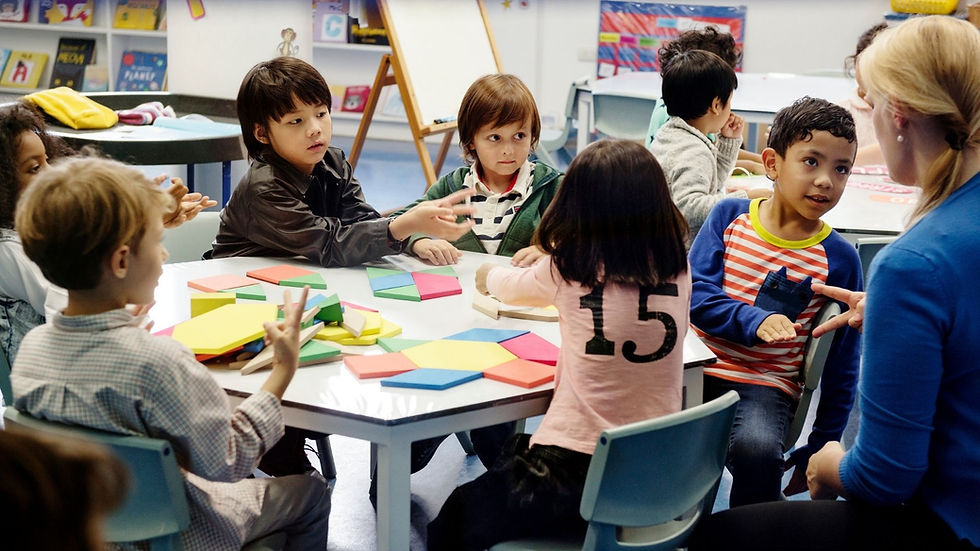
Use manipulatives in math, like counting blocks or shape puzzles.
Incorporate music and rhythm into language lessons.
Turn lessons into movement-based activities, like acting out stories or hopping on letters during spelling.
The more senses you activate, the more entry points you create for understanding. Plus, multi-sensory lessons make learning more engaging and enjoyable for both you and your students.
Example: When teaching the alphabet, a student can trace letters in sand (tactile), say the sounds out loud (auditory), and match each letter to a colorful picture card (visual).
3. Create Predictable and Supportive Routines
Students in special education often rely on routine for a sense of security and clarity. As their teacher, you have the power to create an environment where they know what to expect and feel safe to take academic risks.
Establish consistent daily schedules and visual timetables.
Use transition cues like timers or visual cards to help students shift between tasks.
Keep instructions short, clear, and paired with visuals when possible.
But also, be flexible. Some days won’t go as planned, and that’s okay. The goal isn’t rigidity; it’s predictability. When students trust the structure of your classroom, they’re better able to focus and thrive.
Example: A student with autism who struggles with transitions can benefit from a visual schedule and a five-minute countdown before switching activities.
4. Prioritize Social and Emotional Learning (SEL)
Academic growth is only part of the story. Many students in special education need just as much support with emotional regulation, social skills, and self-advocacy.
You can weave SEL into your day through:
Modeling empathy and self-regulation in your own behavior.
Teaching emotional vocabulary with visual aids and real-life examples.
Role-playing social scenarios and practicing conflict resolution.
Consider incorporating daily check-ins or a “feelings chart” so students can express how they’re doing. When you validate their emotions and teach them how to cope, you give them tools for life, far beyond the classroom.
Example: If a student becomes frustrated and shuts down during group work, teach them to use a “break card” and model calming strategies like breathing or using a stress ball.
5. Collaborate with a Team Mindset
Special education isn’t a solo mission. You’ll be part of a team that includes general education teachers, speech therapists, occupational therapists, counselors, and families. Your success hinges on communication and collaboration.
Make it a habit to:
Attend and contribute to IEP meetings with concrete observations and data.
Share students wins and struggles with parents regularly and not just at report card time.
Ask for input from specialists on how to adapt your strategies or materials.
When you lean into collaboration, you get stronger support and your students get a more cohesive, effective educational experience.
Example: If a student is struggling with fine motor tasks, consult the occupational therapist to adapt pencil grips or worksheets.
Equipped with these strategies, let’s turn to the practical steps you can take to implement them effectively in your day-to-day teaching.
Also Read: Teaching Strategies for Different Age Groups
5 Tips to Implement Special Education Strategies Effectively
While the teaching strategies above form a strong foundation, applying them effectively in the classroom requires thoughtful planning and a student-centered mindset. Here are five practical tips to help you succeed:
Understand Your Students: Take time to learn about each student’s strengths, challenges, and learning preferences. Personalized knowledge helps you tailor lessons and build stronger connections.
Plan Ahead: Successful instruction starts with thorough planning. Develop lesson plans that incorporate diverse strategies and are adaptable to students’ evolving needs.
Use Visual Supports: Visual tools, like charts, diagrams, or graphic organizers, can simplify complex concepts and improve comprehension.
Encouragement with Positive Reinforcement: Celebrate progress, no matter how small. Praise, rewards, and encouragement can be powerful motivators for students and help build their confidence.
Make Learning Fun and Positive: Engaging activities, interactive lessons, and a positive classroom atmosphere can boost motivation and make learning enjoyable. Students often respond well to teachers who are enthusiastic and genuinely invested in their success. Your attitude can make a lasting difference.
Engage with the TSHA Community: Join a supportive network of fellow educators, therapists, and homeschool parents through TSHA. By engaging with the TSHA community, you’ll gain access to expert insights, practical tools, and real-life teaching strategies that work. Sharing experiences and learning from others fosters growth, prevents burnout, and ensures you’re never teaching in isolation.
Conclusion
Teaching in special education isn’t just about academics. You’re building confidence. You’re teaching resilience. You’re showing every student that they matter, that they belong, and that they’re capable.
So yes, the work is challenging. But it’s also deeply meaningful. With each strategy you apply and each student you support, you’re shaping futures, one personalized step at a time.
Keep going. Your students are lucky to have you.
Ready to bring approaches to specialized education into your classroom?
The School House Anywhere (TSHA) is here to walk alongside you on your special education journey. Whether you're teaching in a traditional classroom or want to build a microschool, we offer the tools and support you need to empower every learner.
Here’s how we help you elevate your teaching:
Curriculum Development: Explore our flexible American Emergent Curriculum (AEC), crafted to adapt to the individual needs of students with diverse learning styles and abilities.
Teacher Training: Access professional development that keeps you current with effective, compassionate teaching strategies tailored for special education.
Community Support: Collaborate with a vibrant network of educators and families who are just as passionate about inclusive education as you are.
Microschool Support: Receive expert guidance and resources to successfully launch or grow your own microschool environment focused on personalized, student-first learning.
Join The School House Anywhere today and discover how our specialized resources can help you teach with confidence, creativity, and care, no matter where your classroom is.

Comments