Microschool Teaching Guide: Essential Skills and Setup Tips
Key Takeaways
Microschool Teaching: Microschools provide a personalized, flexible learning experience for small groups, allowing you to teach with more freedom and focus on individualized student growth.
Key Skills Needed: As a microschool educator, you need to be adaptable, creative, and a strong communicator to effectively manage mixed-age groups and personalize learning.
Starting Your Microschool: Clear vision, strong community relationships, and a structured curriculum are essential to get your microschool off the ground, with a focus on flexible schedules and the right legal and operational setup.
Common Challenges: Navigating legal regulations, attracting students, and handling mixed-age learning are common struggles when starting a microschool. Smart planning and community engagement can help you overcome these hurdles.
How TSHA Supports You: TSHA offers a developmentally aligned curriculum, ready-to-use resources, and real-time support, making it easier to focus on teaching while effectively managing your microschool.
Are you struggling to make microschool teaching both effective and manageable?
You might feel unsure about how to design lessons, handle mixed-age groups, or keep students truly engaged. Without the right approach, it’s easy to feel overwhelmed, lose direction, and question whether your microschool can succeed in the long term.
Many educators face these same challenges when starting out. This blog covers what microschool teaching really looks like, the key skills you need, step-by-step setup guidance, and practical tips to help you build a successful and sustainable learning environment.
What Is a Microschool?
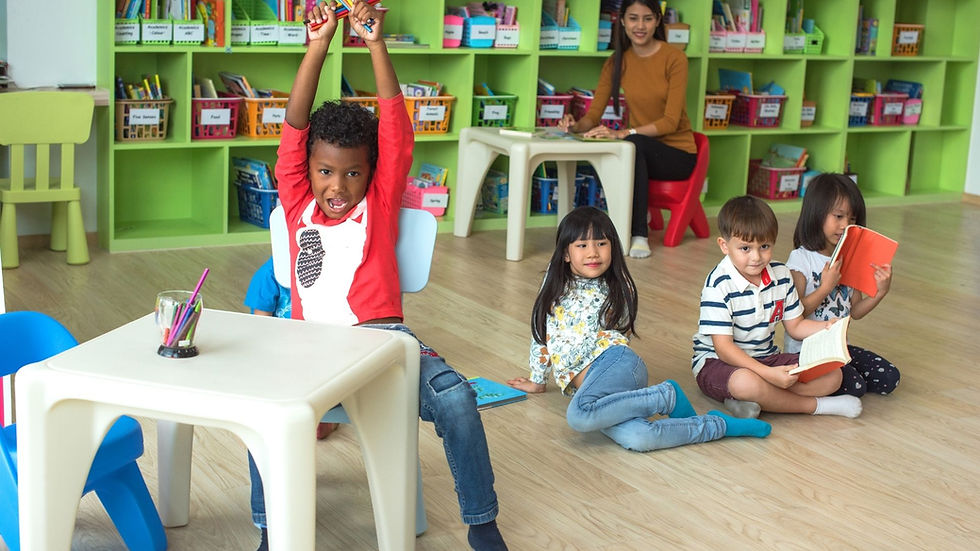
A microschool is a small, flexible learning environment where you typically teach a small group of students, often fewer than 15. It can run in spaces like your home, a community center, or a rented location, depending on what works best for you.
Microschool teaching focuses on personalized, student-centered learning instead of a fixed, one-size-fits-all approach. Unlike traditional schools, microschools give you the freedom to adapt your teaching style, build stronger relationships with students, and create a more engaging and meaningful learning experience.
As the demand for more personalized learning options continues to grow, the importance of microschool teaching becomes even more evident.
Why Microschool Teaching Matters
Microschool teaching matters because families are looking for flexible, personalized learning that traditional schools often cannot provide. As an educator or administrator, this shift presents a real opportunity to build a meaningful, impactful learning environment.
Here are the key reasons why microschool teaching is growing so fast:
Parents want personalized learning: Families are moving away from one-size-fits-all education. In a microschool, you can adapt learning based on each child’s pace and needs.
Smaller groups lead to better engagement: When you work with fewer students, you can give more attention, build stronger relationships, and improve learning outcomes.
Flexibility is a major priority: Many families today want education that fits their lifestyle. Microschools allow you to offer flexible schedules and learning approaches.
Teachers want more freedom and purpose: If you are leaving a traditional system, microschool teaching gives you the freedom to teach in a way that truly works.
To build a successful microschool, it’s essential to develop certain skills that go beyond traditional teaching methods.
Skills Needed to Be a Good Microschool Teacher

To succeed in microschool teaching, you need a mix of flexibility, creativity, and strong communication skills to manage small, mixed-age groups effectively. As an educator, your role goes beyond teaching; you guide, support, and build a learning community.
Here are the key skills you need to develop:
Adaptability and flexibility
You will often teach students of varying ages and learning levels simultaneously. This means you need to quickly adjust your approach based on what each student needs in the moment. Being flexible helps you keep learning smoothly and effectively without feeling stuck to a rigid plan.
Personalized instruction
Every student learns differently, and in a microschool, you are expected to recognize that. You need to design lessons that match individual learning styles, strengths, and pace. This helps students stay engaged and make real progress.
Hands-on and project-based teaching
Microschool learning works best when students actively participate. You should create activities that involve real-world tasks, problem-solving, and creativity. This makes learning more meaningful and easier to understand.
Strong communication with parents
Parents play an active role in microschools, so clear communication is essential. You need to regularly update them on progress, challenges, and achievements. This builds trust and keeps everyone aligned on the child’s learning journey.
Creative content creation
You will often design your own lessons, activities, and projects instead of relying only on textbooks. This helps you make learning more engaging and hands-on. Creative content also keeps students interested and motivated.
Organization and planning
You will handle lesson planning, scheduling, and progress tracking simultaneously. Staying organized helps you manage your workload without feeling overwhelmed. It also ensures that learning stays consistent and structured.
But how do you track student progress without getting buried in paperwork and records?
The School House Anywhere (TSHA), an education program, offers a transparent classroom to simplify this process. TSHA provides built-in tools for portfolio management and progress tracking to maintain accurate records. This means less paperwork for you and more focus on meaningful learning.
Emotional understanding and patience
Students need support not just academically but also emotionally. You should be able to recognize their struggles and respond with patience and care. This helps build confidence and a positive learning experience.
Facilitation mindset
Instead of only delivering lessons, you guide students to explore and think independently. You encourage questions, discussions, and curiosity. This approach helps students develop critical thinking and problem-solving skills.
The next step is turning your vision into a reality by setting up your own microschool.
How to Start Your Own Microschool
Starting your own microschool takes more than a good idea. You need a clear vision, a strong plan, and systems that help you teach well and run your program smoothly.
Here are the six key phases to help you build your microschool with confidence:
1. Define your vision and identify your target students
Your first step is to get clear on why you want to start a microschool. As a micro-school educator, your vision will shape every decision you make, from your teaching style to your daily schedule and learning space.
A clear vision also helps you stand out. Saying you want to create a better learning experience is not enough. You need to define what kind of experience you want to offer and who it is for.
For example, you may want to serve elementary students who need more hands-on learning or families seeking a flexible, mixed-age model.
Ask yourself:
What problem are you solving for families in your area?
What makes your microschool different from other options?
Which age group do you want to teach?
When you know your purpose and your ideal students, it becomes much easier to make smart decisions as you move forward.
2. Start building enrollment through community relationships
At this stage, your goal is to listen as much as you speak. Talk to local families and learn what they want, what is not working for them right now, and what they would value in a microschool. These conversations will help you shape your offer and build trust from the beginning.
You can start by:
Attending community events and school fairs.
Hosting park meet-ups or informal information sessions.
Joining local parenting groups.
Partnering with local organizations that serve children and parents.
For most microschools, personal connection matters more than paid advertising in the early stages. It is also helpful to think about your enrollment goals early.
3. Choose your curriculum
Once your vision is clear, you need to decide how learning will actually happen in your microschool. This includes your curriculum, teaching approach, student age range, and daily structure.
The most important thing is not choosing a trendy curriculum. It is choosing an approach that fits your philosophy, your students needs, and your strengths as an educator.
But how do you choose a curriculum that is flexible and actually supports hands-on learning?
This is where an education program like The School House Anywhere (TSHA) comes in.
The School House Anywhere (TSHA), an educational program, offers a comprehensive, developmentally aligned curriculum grounded in the American Emergent Curriculum (AEC). This curriculum is designed to meet the diverse needs of educators by offering flexible, secular, and engaging learning experiences.
The American Emergent Curriculum (AEC) is a hands-on educational framework for Pre-K to 6th grade with packaged 6-week sessions. AEC connects subjects in real-world ways, encouraging children to explore, think creatively, and solve problems. By focusing on critical thinking, collaboration, and creativity, AEC fosters a deeper, more meaningful learning experience.
4. Choose your schedule
You also need to choose a schedule that works for both your students and your own capacity. Some microschools run full-time, while others use part-time or hybrid models.
Common schedule options include:
Full-time: Monday to Friday, full school day.
Four-day model: Monday to Thursday, with Friday for planning or enrichment.
Part-time morning program: Good for younger children.
Hybrid model: A few full days each week with home learning on other days.
Three-day program: Useful for highly personalized models with family involvement.
The best schedule is the one you can deliver consistently without burnout.
4. Establish your legal and operational foundation
This phase is about building the structure that allows your microschool to operate responsibly. One of your first decisions may be choosing a legal structure.
Some microschools operate as an LLC, while others choose a nonprofit model. The right option depends on your long-term goals, funding plans, and how you want your microschool to grow.
You will also need to handle practical tasks such as:
Registering your organization in your state.
Learning the rules for homeschooling or private education in your area.
Setting up insurance coverage.
Creating simple policies for families.
Organizing your finances and record-keeping systems.
This step is especially important because legal and regulatory requirements can vary widely by state and even by local area. In some places, the process is simple. In others, there may be more rules around zoning, enrollment, or program structure.
5. Secure the right space for your school
Your space will have a big impact on both your daily operations and the experience families have with your microschool. The right space depends on your budget, your student group, and the type of environment you want to create.
Many educators start small, choosing a home-based setting. This can lower overhead and make it easier to launch. Others use shared or rented spaces, such as community centers, church buildings, or an office, especially if they need more room or want a more separate school setting.
6. Launch your microschool and refine your first-year operations
Opening your microschool is a major milestone, but it is only the beginning. Once students arrive, you will start learning what works well and what needs to change in real time.
Your first year is often a period of testing, adjusting, and improving. You may have a strong plan on paper, but some parts of your schedule, communication, or routines may need to evolve once real students and families are involved.
In the first few months, focus on:
Helping students feel safe and welcome.
Creating clear daily routines.
Building strong communication with families.
Delivering lessons and watching what engages students most.
Managing tuition, materials, and operations consistently.
Continuing outreach, since enrollment may still grow over time.
It is normal to make changes as you go. In fact, flexibility is one of the biggest strengths of a microschool. Instead of seeing adjustments as mistakes, treat them as part of building a better learning environment.
Now, let’s take a closer look at some of the common challenges you'll encounter and how to navigate them effectively.
Common Challenges When Starting a Microschool (and How to Navigate Them)

Starting a microschool gives you the freedom to teach your way, but it also comes with challenges in planning, operations, and growth. As a micro-school educator, you need to manage multiple responsibilities while building a stable learning environment.
Here are the most common challenges and how you can handle them:
Navigating legal and regulatory requirements: Rules vary by state, which can make it confusing to understand what applies to your microschool. Research your state laws early and consult local experts if needed.
Managing finances and sustainability: Balancing costs like space, materials, and operations while keeping it affordable can be difficult. Start small, create a clear budget, and use cost-effective spaces.
Attracting and retaining students: Building trust with families and maintaining enrollment can take time. Focus on clear communication, strong relationships, and local community engagement.
Handling curriculum and mixed-age learning: Teaching students at different levels at the same time can feel overwhelming. Use a flexible, structured curriculum that supports multi-level learning.
Managing multiple roles as an educator: You will handle teaching, planning, and operations all at once. Create simple systems and routines to stay organized.
Finding the right space and ensuring safety: Choosing a safe and practical location can be challenging. Start with flexible spaces like homes or community centers and meet basic safety requirements.
As you navigate the complexities of starting a microschool, having the right support system can make all the difference in ensuring success.
How TSHA Supports Microschool Educators
The School House Anywhere (TSHA) is an educational program designed to provide high-quality, flexible, and portable learning experiences. TSHA offers a comprehensive, developmentally-aligned curriculum grounded in the American Emergent Curriculum (AEC).

This curriculum is designed to meet the diverse needs of educators, parents, and students by offering flexible, secular, and engaging learning experiences. TSHA is committed to delivering a user-friendly, hands-on learning approach, prioritizing real-world experiences over traditional screen-based learning.
Here is how TSHA supports you:
Educational Resources: Access to an extensive library of films, samples, and printables for active and engaging learning, providing everything needed for effective teaching.
Administrative Overload: With Progress Tracking and Portfolio Management Tools, TSHA reduces the administrative burden by simplifying record-keeping and progress monitoring.
Lack of Ready-to-Use Resources: TSHA provides a comprehensive curriculum that saves educators time by eliminating the need to create lesson plans and source materials.
LIVE Educator & Founder Online Gatherings: Weekly online sessions with TSHA educators and founders to discuss the curriculum, share insights, and answer any questions, fostering a sense of community and continuous professional development.
Conclusion
Starting and managing a successful microschool requires the right skills, vision, and support. From defining your teaching philosophy to navigating common challenges such as curriculum development, legal requirements, and student recruitment, it’s crucial to build a solid foundation to ensure long-term success.
If you're looking for a complete solution that supports your vision, The School House Anywhere (TSHA), an education program, is here to help. Educators are seeking to establish small, personalized learning environments. With its developmentally aligned American Emergent Curriculum, ready-to-use resources, and 24/7 support, TSHA empowers you to focus on what matters most.
Start your journey with TSHA today and take your microschool to the next level with the right curriculum and support system in place!
FAQs
1. How many students can a microschool have?
Microschool sizes vary, but most operate with small groups, often fewer than 15–25 students, so you can deliver personalized instruction.
2. What are the key operational costs to budget for in a microschool?
Common costs include space rent or setup, curriculum materials, staffing, insurance, utilities, and administrative tools. A clear budget helps you stay financially sustainable.
3. Can a microschool enroll students part‑time or only on specific days?
Yes, some microschools operate flexible schedules, part‑time blocks, or hybrid models (e.g., three days a week), as long as their instructional design aligns with learning goals and compliance needs.


Comments