Understanding Pandemic Pods and Microschools

Pandemic pods and microschools have gained significant attention recently as alternative educational models that emerged during the COVID-19 pandemic. These innovative learning environments, often formed in response to the challenges of remote learning and disrupted school schedules, remain relevant today.
While the pandemic may have triggered their rise, these models offer a new approach to education that many families and educators are choosing to continue.
In this blog, we will explore the concept of pandemic pods and microschools, their growing popularity, and much more. You will also discover how TSHA’s flexible curriculum solutions can support families and educators in these alternative learning environments.
Parental Adaptations to Pandemic Challenges
The COVID-19 pandemic forced families to adapt quickly to unexpected educational challenges. Schools closed, and many children were suddenly thrust into remote learning environments, often without the necessary resources or structure to succeed. This was a significant shift for parents, balancing their work schedules with the demands of overseeing their children's learning.
Many parents, feeling frustrated by the limitations of remote schooling, began to look for alternative educational options. This led to the rise of pandemic pods and microschools—small, personalized learning groups that allowed students to learn in a more structured, supportive environment.
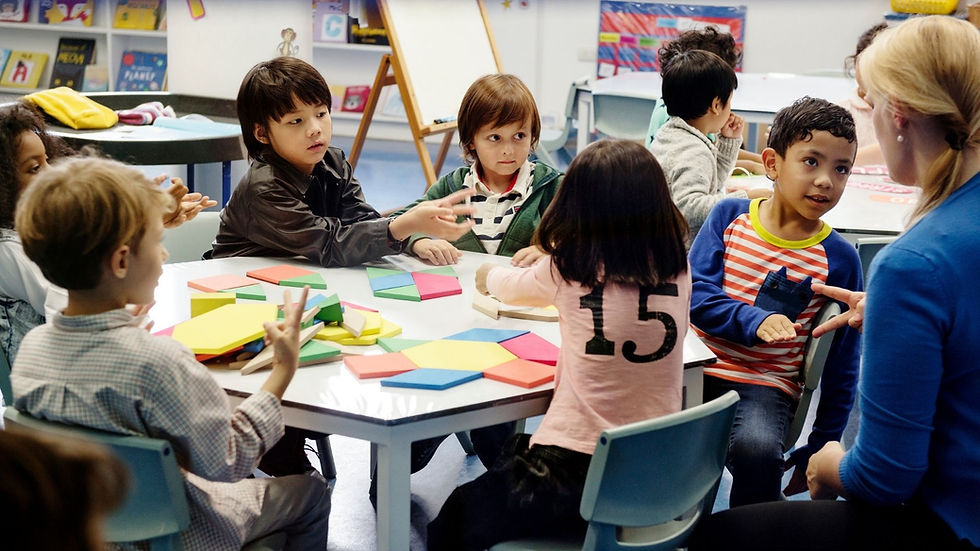
Pandemic pods were particularly attractive because they allowed parents to control the learning process and collaborate with other families. Microschools, on the other hand, offered a more formal educational setting, often led by experienced educators and focused on small group sizes.
As the pandemic continued, parents quickly recognized the benefits of these models. They offered more control over the curriculum, the teaching environment, and the pace of learning. With these solutions in place, let’s examine the strategies that make pods and microschools successful.
Curriculum and Educational Strategies for Pandemic Pods and Microschools

One of the key reasons pandemic pods and microschools have gained popularity is the ability to customize the curriculum to fit the unique needs of students. Traditional school systems are often constrained by rigid, one-size-fits-all approaches. In contrast, pandemic pods and microschools offer flexibility and the opportunity for personalized learning.
In pandemic pods, the curriculum often mirrors that of traditional school, but with a more flexible, hands-on approach. For example, students may work on reading and math assignments, but they also engage in project-based learning, field trips, and interactive lessons that are not possible in large classroom settings. This approach fosters a deeper connection to the material and encourages critical thinking and creativity.
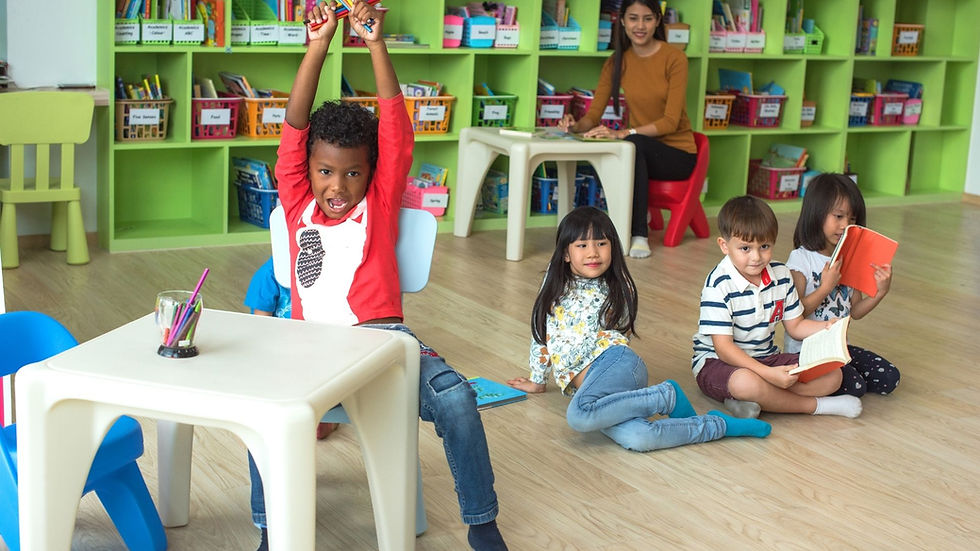
In microschools, educators have more freedom to design a curriculum that meets the needs of each student. This might mean blending elements of Montessori, project-based learning, and social-emotional learning (SEL) into the day-to-day lessons. The curriculum in microschools is typically more interdisciplinary, integrating subjects and focusing on the development of the whole child academically, socially, and emotionally.
These strategies drive success, but how have pods and microschools grown? Let’s explore that next.
One example of a curriculum that fits perfectly in these environments is TSHA’s American Emergent Curriculum (AEC). The AEC’s hands-on, developmentally-aligned approach offers an ideal solution for pandemic pods and microschools, providing customizable resources, printable materials, and engaging content that fosters deep learning. With six-week sessions designed for deep dives into complex topics, TSHA’s AEC aligns well with the needs of both pods and microschools.
Growth and Trends in Alternative Educational Models
The rise of pandemic pods and microschools marks a significant shift in how families are approaching education. The pandemic acted as a catalyst, but the continued growth of these educational models suggests that they are not just temporary solutions. In fact, many families and educators are now embracing alternative learning models as a long-term option.
According to recent trends, micro-schooling is projected to expand rapidly, with more families opting for small, personalized learning environments. Reports show that the number of microschools in the U.S. has increased significantly, especially in areas with a high demand for flexible learning options. In some regions, local governments have even started to recognize microschools as a viable educational model and are offering financial support for families who choose this path.
Additionally, pandemic pods have evolved into more permanent setups. Initially created as temporary solutions to the school closures during the pandemic, many pods have transformed into ongoing learning groups, with some even transitioning into full-fledged, independent microschools.
As remote and hybrid learning continue to be prevalent, these alternative models have become an appealing option for families seeking a more individualized, flexible educational experience.
These shifts reflect a broader move toward innovation, but challenges remain. Let’s examine those hurdles to prepare you for what’s ahead.
Also Read: Oregon Homeschooling Laws and Information
Challenges of Pandemic Pods and Microschools
While pandemic pods and microschools offer numerous benefits, they also come with several challenges that families and educators must navigate.
Access and Equity: One of the most significant challenges is access. Pandemic pods and microschools often require financial investment, and this can create a divide between families who can afford these alternatives and those who cannot. Additionally, not all families have the flexibility in their work schedules or the ability to participate in pods or microschools.
Teacher Training and Certification: Many parents and educators who lead pods or microschools are not formally trained educators. This can present challenges in terms of providing high-quality, consistent instruction. While some microschools employ certified teachers, many rely on parents or community members to facilitate learning. This raises concerns about the quality and equity of education provided in these settings.
Sustainability: Another challenge is the sustainability of these models. While pandemic pods and microschools may work well in the short term, maintaining them long-term can be difficult. For example, the costs of hiring qualified teachers, securing materials, and maintaining space for learning can become prohibitive over time.
Despite these challenges, pandemic pods and microschools are proving to be a viable and valuable alternative to traditional education, especially for families seeking personalized learning experiences. With these hurdles in mind, let’s explore how teachers and families execute their roles in these models.
Teacher and Family Considerations for Pandemic Pods and Microschools
For parents and teachers involved in pandemic pods and microschools, there are several important considerations to keep in mind.
Teacher Autonomy: One of the appeals of these alternative models is the freedom teachers have to design their own curricula and teaching strategies. However, this autonomy also requires strong organizational skills and the ability to create an effective learning environment. Teachers in these settings must be prepared to manage multiple roles, from lesson planning to student assessment and social-emotional support.
Parent Involvement: In microschools and pandemic pods, parents often play a more active role in their children’s education. This can be a benefit, as it allows for closer involvement and better understanding of a child’s needs. However, this also places pressure on parents, who may need to balance homeschooling or teaching responsibilities with their own work and family obligations.
Collaborative Approach: A key to success in these models is collaboration—both among educators and between educators and families. Teachers in pandemic pods and microschools need to create a strong sense of community, with open lines of communication and a shared commitment to the students' growth. This collaborative approach ensures that students receive the support they need to succeed.
Balancing these roles builds a strong learning community, but broader impacts on education systems are worth considering. Let’s look at how these models affect public schools and equity next.
Impact on Public Education and Equity Concerns
Pandemic pods and microschools have significant implications for the broader educational landscape. One concern is the potential impact on public education systems, especially in terms of funding and student enrollment. As families opt for alternative learning models, public schools may experience a decline in enrollment, which could affect funding and the resources available to students who remain in traditional education settings.
Furthermore, equity remains a major concern. While pandemic pods and microschools can offer personalized education, they are not always accessible to every family. Many of these models are private or come with significant costs, which means that students from lower-income backgrounds may not have the same opportunities. The growing gap between families who can afford alternative education options and those who cannot raises important questions about fairness and equality in the education system.
TSHA: A Solution for Alternative Educational Models
At The School House Anywhere (TSHA), we understand the importance of providing personalized, flexible education that meets the unique needs of every student. Our American Emergent Curriculum (AEC) is designed to support innovative educational models like pandemic pods and microschools, providing the tools and resources needed for success.
Key features of TSHA’s AEC include:
6-Week Sessions for Deep Dives
Custom AEC Printable Materials and Worksheets
Progress & Portfolio Management Tool
TSHA Member Site Access
LIVE Educator & Founder Gatherings with Weekly Q&A
Live Office Hours for Real-Time Support
Online Social Media Network & Support
hands-on, developmentally-aligned approach directly solves challenges faced by pandemic pods and microschools.
TSHA’s hands-on, developmentally-aligned approach fits right into pandemic pods and microschools, offering both structure and flexibility. Whether you’re a parent, educator, or entrepreneur, TSHA’s resources ensure you have the support you need to thrive in alternative educational models.
Conclusion
Pandemic pods and microschools offer a glimpse into the future of education, providing flexible, personalized learning experiences that cater to the unique needs of students. While these models come with challenges, including access, sustainability, and teacher training, their growth is a testament to the desire for more customizable and supportive learning environments.
As these models continue to evolve, they offer a glimpse into the future of education—one that prioritizes flexibility, personalization, and student-centered learning.
While challenges such as access, sustainability, and teacher training remain, the success of these models shows their potential to complement or even replace traditional educational systems in certain contexts.
If you’re exploring ways to support your child’s educational experience in a more personalized, adaptable way, consider the resources available through TSHA’s American Emergent Curriculum (AEC). Register with TSHA as a parent or an educator and learn how we enhance the learning experience in pandemic pods or microschools.
FAQs
Q1. What’s the difference between a pandemic pod and a microschool?
A1. Pandemic pods are typically small, informal groups formed during the pandemic to support remote learning, while microschools are more formal educational settings that operate outside traditional school systems, focusing on personalized, small-group learning.
Q2. How can I start a pandemic pod or microschool?
A2. Starting a pandemic pod or microschool involves gathering like-minded families or educators, selecting a curriculum, and determining the logistics, such as location, teaching responsibilities, and schedule. TSHA’s AEC offers flexible, customizable resources to support this process.
Q3. Are pandemic pods and microschools accredited?
A3. Most pandemic pods and microschools are not formally accredited, but many follow state educational standards and provide high-quality, personalized learning experiences. Some pods transition into more formal microschools that may pursue accreditation.
Q4. Can TSHA’s AEC be used in pandemic pods or microschools?
A4. Yes, TSHA’s AEC is designed to be flexible and adaptable, making it an excellent fit for both pandemic pods and microschools. The curriculum’s hands-on, developmentally-aligned approach supports personalized learning in these environments.
Q5. What are the socialization opportunities in pandemic pods and microschools?
A5. Both pandemic pods and microschools offer close-knit communities that foster social interaction. Students often engage in group projects, collaborative learning, and community-building activities, helping them develop strong social and emotional skills.

Comments