Opportunities for Homeschoolers: Ultimate 2025 Guide

Homeschooling is no longer a fringe education choice; it’s becoming a mainstream alternative for families seeking flexibility, connection, and deeper learning. In fact, recent data from the National Center for Education Statistics (NCES) show that about 5.2% of U.S. children ages 5-17 received academic instruction at home during the 2022–23 school year, up from 3.7% in 2018-19.
Why the shift? Many families are looking beyond test scores and textbooks. They want customized learning that fits their child’s rhythm, and they’re embracing education that strengthens family ties and real-world skills.
In this blog, we’ll explore how homeschooling opens up three major opportunity categories, and then dive into how you and your child can engage with them. Let’s begin by mapping out what those opportunities for homeschoolers look like.
At a Glance:
Homeschooling now unlocks a wider world of opportunities, not less, from peer co-ops to internships, clubs, competitions, field trips, and hands-on passion work.
The biggest advantage is flexibility: homeschoolers can follow interests, curiosity, and developmental pace, not a one-size-fits-all timetable.
Today’s opportunities fall into 3 major categories: social development, academic enrichment, and skill/talent pathways, each with structured ways to grow.
Community-led setups (co-ops, circles, multi-age groups) are becoming the backbone of modern homeschooling, giving children social confidence + collaboration opportunities.
With the right support systems (like TSHA’s AEC), families don’t have to hunt for resources; relevant clubs, experiences, and opportunities become easier to access and act on.
What Are the 3 Major Categories of Opportunities Homeschoolers Have Today?
Homeschooling gives families the freedom to build a more balanced and holistic learning journey. Beyond traditional academics, children can grow through experiences that develop their social, intellectual, and creative abilities.
Let’s look at the three key categories of opportunities for homeschoolers.
Social Development Opportunities
Homeschooling doesn’t mean isolation; in fact, it can encourage stronger community bonds. Through peer-based meetups, volunteering, and collaborative activities, children develop essential social and emotional skills.
Key avenues for social growth include:
Community service programs: Volunteering builds empathy, leadership, and civic awareness. The Corporation for National and Community Service (CNCS, 2024) reported that students engaged in service learning show higher problem-solving and teamwork skills.
Co-op classes and mixed-age learning groups: These foster collaboration and peer mentoring, encouraging younger children to learn from older peers.
Extracurricular social clubs: From local debate circles to youth organizations like 4-H or Girl Scouts of the USA, such spaces strengthen communication, cooperation, and confidence.
Academic Enrichment Opportunities
Homeschooling allows for deeper, personalized academic exploration that goes far beyond standardized textbooks. Learners can follow their curiosity while mastering core subjects through experiential learning.
Examples of academic enrichment include:
Hands-on curriculum models: Many programs, like the TSHA, emphasize project-based, non-screen learning aligned with child development.
Independent study projects: Students can research topics of personal interest and present findings through reports, experiments, or creative displays.
Subject-specific mentorships: Pairing with educators or professionals for math, science, or history mentorship fosters deeper conceptual understanding and academic confidence.
Skill-Based and Talent-Focused Opportunities
One of homeschooling’s greatest strengths is helping young children discover and develop their unique interests from an early age, whether in creativity, problem-solving, or practical life skills.
Common examples include:
Creative arts and design activities: Drawing, music, storytelling, and craft projects help children express ideas and build fine motor skills.
STEM and discovery-based learning: Simple science experiments, building models, or coding games foster curiosity and logical thinking.
Entrepreneurship and life-skills projects: Activities like managing a mini classroom store or planning family events teach teamwork, responsibility, and decision-making.
Together, these categories build a strong foundation, but it’s within community-led setups that homeschoolers truly apply these lessons, grow socially, and gain real-world confidence.
How Do Community-Led Setups Help Homeschoolers Grow?

One of the most significant benefits of modern homeschooling is not going it alone; it’s tapping into community-driven learning environments. Whether through co-ops, project circles, or mixed-age groups, homeschooling families are turning the home into a springboard for collaboration, social development, and deeper engagement.
A recent survey shows that during the 2023-24 school year, about 90% of U.S. states that reported data recorded an increase in homeschooling participation, underscoring how families are seeking new forms of connected learning beyond just the classroom at home.
Let’s explore three powerful community-led models and how they enhance social, academic, and skill-based growth for homeschoolers.
Co-Ops and Peer Groups
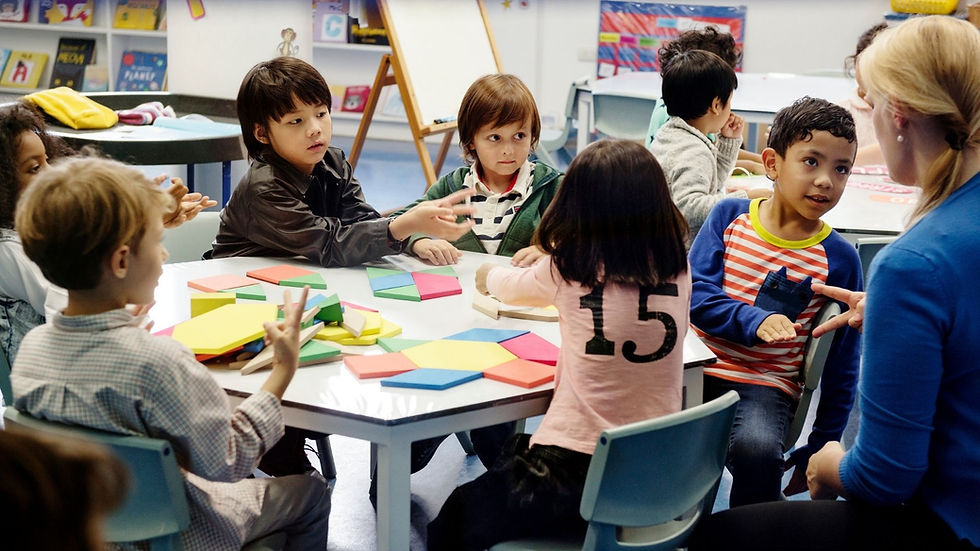
Homeschool co-ops are parent-organized networks where families share teaching responsibilities, resources, and social routines. These groups give children access to peer interaction, collaborative projects, and diverse learning experiences outside of their immediate family circle.
Benefits: Students develop teamwork skills, accountability, and a sense of community. Parents share areas of strength, reducing individual workload.
Example: A nature-based co-op meets weekly to combine science experiments, art, and outdoor play, giving children peer interaction and variety.
Project-Based Circles
Project-based circles bring small groups of children together around real-world, hands-on challenges, perfect for inquiry, creativity, and collaboration.
Why It Works: Students work together to explore meaningful themes, ask questions, design solutions, and share outcomes.
Research Insight: Learning in hands-on, collaborative settings has been shown to increase engagement and retention when compared to passive instructional methods. For example, approaches that emphasize peer interaction and applied tasks show stronger social-emotional growth in mixed-group settings.
Multi-Age Learning Environments
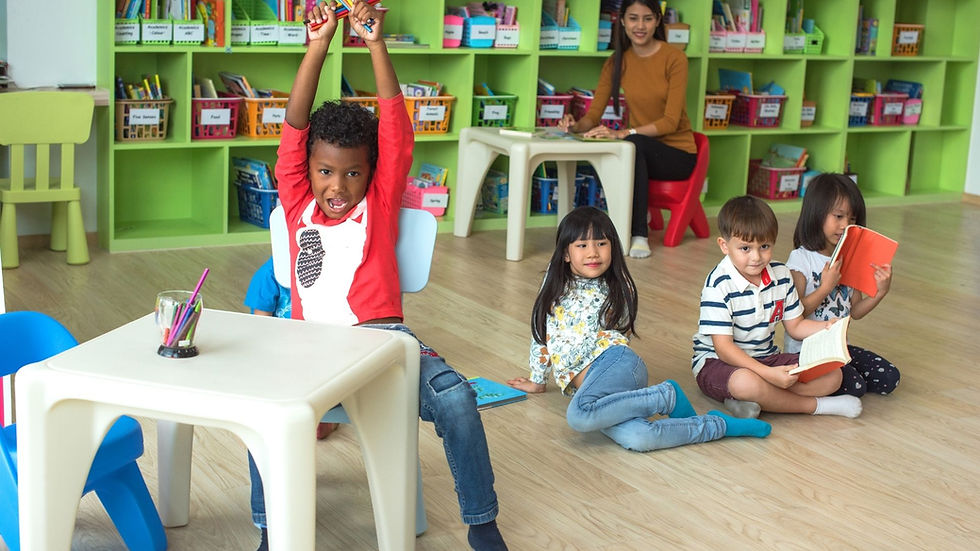
Rather than strictly separating students by grade, multi-age environments bring learners at different stages together, giving older children mentoring opportunities and younger ones models to follow.
Benefits: Younger children gain exposure to more advanced peers, older children deepen their learning by teaching others, and all students develop leadership, empathy, and autonomy.
Research Insight: In age-mixed settings, children showed higher social-emotional scores and more positive peer interactions than in traditional same-age classrooms.
While community-led setups nurture collaboration and confidence, local classes and clubs take that growth further, turning shared learning into consistent practice, creativity, and real-world skill-building.
Top Local Classes and Clubs Worth Joining

When you’re homeschooling with a program like The School House Anywhere (TSHA), the world becomes your classroom, especially when you tap into real-world community-based activities. Beyond lesson plans and worksheets, local classes and clubs give young learners chances to build expertise, make friends, deepen interests, and engage in meaningful experiences.
Below are four rich categories of activities where your Pre-K to 6th-grade child can thrive.
Sports
Joining a sports club can transform a child’s physical, emotional, and social development.
Real-world example: A 2025 study from the National Sporting Goods Association found that youth team-sports participation across ages 7-17 rose in 2024 compared to three-year averages, with players enjoying more than just athletic benefits. At a club level, kids learn coordination and strength, but they also gain confidence, teamwork, and resilience, skills that help in class and life.
Local Opportunities: For younger homeschoolers, this might mean a weekly soccer or swim class, a martial arts studio, or a dance troupe; a “sport” doesn’t have to be competitive to be impactful.
Arts and Theater
Creative expression gives children a unique path to develop voice, confidence, and identity.
Real-world example: A 2024 BioMed Central research article noted that participation in co-produced artistic workshops helped youth in community settings gain greater self-expression, empathy, and social connection.
Additional reports according to YCMA of Greater Brandywine emphasize that arts programs help in building decision-making skills, social-emotional health, and independent thinking.
Local Opportunities: For a homeschooler, this could be a children’s theater class, a pottery or painting studio, or a music ensemble, clubs that invite creation and performance.
STEM Clubs and Makerspaces
Hands-on STEM (Science, Technology, Engineering, Math) clubs and makerspaces bring curiosity to life, and they’re perfect for homeschoolers who like tinkering, inventing, or exploring.
Real-world example: In a 2024 collaboration led by UCL Institute of Education called the Making Spaces project, 93% of participating young people reported increased confidence in job skills and future readiness after makerspace involvement.
Separate research on STEM Clubs (2024) demonstrates growing evidence that such clubs foster psychosocial factors, learning experiences, and deeper engagement in STEM subjects.
Local Opportunities: Includes robotics clubs, maker-labs at community centers, junior coding cohorts, or engineering workshops for kids.
Language and Creative Writing Groups
Building language skills, storytelling courage, and communication becomes fun and social when children join dedicated clubs.
Real-world example: When young children are encouraged to write stories, poems, or short journals as part of their homeschool routine, they often become more confident in expressing ideas and enjoy writing as a creative outlet.
And even for younger learners (Pre-K onward), early engagement in storytelling, drama, reading groups, or writing circles helps build vocabulary, empathy, and self-expression.
Local club examples: A children’s creative-writing workshop, a bilingual story-club, a young authors’ circle, or a drama/storyboard group.
After gaining experience through local classes and clubs, homeschoolers can take the next step by exploring real-world work exposure, where practical learning meets professional discovery.
How Do Homeschoolers Get Real-World Work Exposure?
One of the standout advantages of homeschooling, predominantly when guided by an excellent program, is the flexibility to start exploring work-life experiences at a younger age.
These early exposures help children move beyond classroom learning into real-world settings where they build responsibility, self-direction, and practical skills.
Early Internships
While internships are often designed for older students, homeschoolers can begin gaining simple, guided experience even in elementary years. Internship programs, even short ones, allow a child to step into a professional environment, collaborate with mentors, and explore interests in a structured way.
Why it matters: A 2024 review highlighted that internships provide more than just résumé boosting; they improve interpersonal communication and problem-solving, offering homeschool learners essential “career-readiness” skills.
Example for younger learners: A 5th-grader might help a local artist with a summer project, track hours worked, and reflect on what they learned, guided by their parent or mentor.
Mentorship and Skill-Sharing Activities
Even at a young age, children learn best when they watch and do. Instead of formal apprenticeships, homeschoolers can take part in mentorship and skill-sharing activities that nurture curiosity and confidence through real-world observation.
How it helps:
Builds early social and communication skills.
Encourages responsibility through guided participation.
Sparks interest in different hobbies or community roles.
Examples for K–6 learners:
Shadowing a community helper like a librarian, gardener, or carpenter.,
Helping a local baker or craftsperson for an hour to see how things are made.
Joining a family gardening or recycling project to learn teamwork and patience.
Learning simple crafts such as pottery, knitting, or painting from a neighborhood mentor.
Mini Passion Projects
Homeschooling allows young children to turn their interests into simple, joyful projects that build confidence and creativity. These mini passion projects help them explore ideas, share their work, and feel proud of their achievements.
How it helps:
Encourages creativity and self-expression.
Builds planning, problem-solving, and presentation skills.
Fosters a sense of accomplishment through hands-on outcomes.
Examples for K–6 learners:
Organizing a family art show to display drawings or crafts.
Making and gifting handmade greeting cards for special occasions.
Hosting a mini science fair at home with simple experiments.
Creating a storybook or puppet show to share with siblings or friends.
Once homeschoolers begin exploring real-world work opportunities, the next natural step is competitive exposure, where they can test their skills, gain recognition, and build direction for future growth.
What Competitive Exposure Routes Are Available For Homeschoolers?

For learners at the elementary and upper-elementary levels (Pre-K to 6th grade), competition often isn’t thought of, but introducing well-matched, meaningful contests can provide tremendous benefits: focus, confidence, recognition, and the ability to self-assess.
Let’s explore three key competition types and how they map to a student’s growth path.
Olympiads
“Olympiad” competitions typically emphasize high-level challenge in a specific academic domain (mathematics, science, technology, engineering). While many refer to upper grades, there are younger versions and feeder contests that are appropriate for younger learners.
Real-world example: The International Academic Competitions (IAC) organizes quizzes and tournaments for Grades K-8, open to homeschoolers and featuring Regional Qualifying Exams and National Championships.
Benefits for younger homeschooled children include: building comfort with structured challenge, developing competitive stamina, and gaining public recognition for effort and expertise.
Academic Contests
Academic contests are broader than pure Olympiads and often involve multi-subject, interdisciplinary elements, spelling bees, geography bowls, creative writing competitions, etc. These contests tend to be more inclusive and accessible for younger learners.
Real-world example: The IAC provides the National Academic Bee for Middle & Elementary School divisions (Grades 8 and younger) with age-appropriate divisions and broad homeschool participation.
The 2025 K12 National Grade Chess Championships, hosted by the US Chess Federation, open to K-12, provide a non-academic yet strategy-rich competition accessible to homeschoolers.
Specialization-Based Competitions
These competitions focus on specific talents or domains: coding and robotics challenges, art/design competitions, entrepreneurial challenges, language and writing awards, etc. They give children a platform to excel in their gift zone rather than only in core academics.
Real-world example: The 2025 Future City Competition (for middle school students, including homeschool teams) engages students in engineering/design of a “city of the future,” blending STEAM and real-world application.
Why it matters: Early participation builds a sense of specialization, portfolio pieces, and even joy in “owning” a domain.
While competitions challenge the mind, field trips ignite the senses, turning abstract lessons into lived experiences that deepen memory, curiosity, and real-world understanding.
How Do Field Trips Shape Memory and Curiosity?

Field trips are more than a break from routine; they’re powerful learning tools that turn abstract lessons into lived experiences. When homeschoolers explore museums, farms, science centers, or nature reserves, they form deeper connections to what they study and retain information longer.
Here’s how well-designed educational outings strengthen both memory and curiosity for homeschool learners:
Strengthen Long-Term Memory Retention: A 2024 study by the National Endowment for the Arts (NEA) found that students who participated in art and museum field trips retained more key content compared to peers who learned the same material in classrooms. Real-world context activates multiple senses, which supports stronger cognitive recall.
Spark Intrinsic Motivation and Inquiry: Research from the American Educational Research Association (AERA, 2024) indicates that out-of-school learning experiences lead to a measurable rise in student motivation, especially in science and environmental education. When children experience learning in action, curiosity naturally drives their following questions.
Support Social and Emotional Growth: Field experiences build collaboration and confidence. According to a 2025 report by the Smithsonian Center for Learning and Digital Access, students engaged in community-based excursions demonstrated improved self-awareness and social adaptability, both vital for homeschoolers working in mixed-age environments.
Encourage Real-World Application of Learning: Whether it’s a trip to a botanical garden, local factory, or cultural exhibit, children practice observation, note-taking, and communication skills in real time. These experiences turn theory into tangible understanding and show the relevance of academics in everyday life.
While online programs help children gain specialized skills and global exposure, parental guidance ensures those opportunities are explored with purpose, balance, and meaningful direction.
How Can Parents Support Homeschoolers to Explore These Paths?

Homeschooling works best when children have space to explore, but also when parents provide gentle direction and structured opportunities for growth. The goal isn’t to control learning, but to create environments where curiosity naturally meets guidance.
Here are two essential strategies for parents to help homeschoolers navigate their opportunities effectively.
Direction Discovery Frameworks
Parents can help children find their direction using frameworks that combine observation, documentation, and reflection.
Use short exploratory cycles: Run 6–12 week interest investigations (explore → do → reflect). Short cycles give enough time for depth and a natural evaluation point.
Create opportunity cycles: Introduce a three-month rhythm where children explore one new domain deeply (e.g., art, robotics, gardening). This approach helps uncover intrinsic motivation without overloading schedules.
Use real-world benchmarks: Replace traditional grading with milestones like completing a community project, earning a digital badge, or presenting a small exhibition. These create purpose and ownership.
Gentle Structure Without Killing Flexibility
Balance is the key to sustaining both freedom and focus in homeschooling.
Establish predictable anchors: Short morning meetings or weekly planning sessions provide rhythm without rigidity. According to Edutopia (2024), consistent micro-routines improve engagement and self-management among home learners.
Set “open goalposts”: Instead of strict daily lessons, define broader goals like “explore two new cultures this month” or “create one science model.” This keeps exploration guided but free.
Honor downtime: Neuroscience research published in Frontiers in Psychology (2025) emphasizes that unstructured time enhances creative problem-solving and emotional regulation in children.
As parents guide exploration at home, schools, and learning programs like The School House Anywhere can streamline that process by curating and connecting families to the most relevant, high-quality opportunities.
How Can Schools Reduce Manual Discovery Of Relevant Opportunities For Students?
Even for motivated homeschooling families, one of the biggest challenges is finding reliable, age-appropriate opportunities, from extracurricular programs to academic clubs and local learning circles. Sorting through endless websites, managing materials, and verifying program quality can consume hours each week.
That’s where The School House Anywhere (TSHA) bridges the gap by serving as a centralized hub that simplifies how parents, educators, and students access verified educational resources and real-world opportunities.
Here’s how TSHA helps families streamline discovery and focus more on learning than searching:
Centralized Access to All Learning Tools: TSHA consolidates everything, curriculum materials, films, printable resources, and learning tools, within one platform. Families no longer have to manage multiple subscriptions or search across different sites.
Guided Discovery for Homeschoolers and Educators: TSHA provides structured recommendations based on the AEC curriculum framework, helping users match their child’s interests with suitable opportunities, from arts to STEM and outdoor learning.
Transparent Classroom Integration: With TSHA’s Transparent Classroom tool, parents and educators can track progress, manage portfolios, and document learning experiences all in one place, reducing manual recordkeeping and ensuring compliance with state requirements.
24/7 Live Support and Community Access: Families and educators receive continuous guidance through live chat, online gatherings, and expert sessions, ensuring quick answers and ongoing mentorship whenever needed.
Ready-to-Use AEC Curriculum Packages: Each curriculum package includes lesson plans, activity suggestions, and printable worksheets, allowing families to start teaching immediately without extra research or planning time.
Local and Global Opportunity Matching: TSHA helps connect families with local co-ops, micro-schools, and educator networks, ensuring that students access both community-based and online learning opportunities relevant to their goals.
While schools like The School House Anywhere simplify opportunity discovery for families, the real impact comes full circle in the bigger picture of homeschooling. This journey empowers children to learn, explore, and thrive beyond traditional boundaries.
Conclusion
Homeschooling today is not just an alternative; it’s a pathway to deeper, more connected learning. From local sports clubs to creative writing circles, field trips, and maker labs, every opportunity allows children to grow socially, emotionally, and intellectually.
What makes this approach powerful is freedom, the freedom to learn through experience, follow curiosity, and build practical life skills while still maintaining academic excellence. When families have access to structured yet flexible frameworks like The School House Anywhere (TSHA) and its American Emergent Curriculum (AEC), learning becomes both purposeful and joyful.
TSHA helps parents and educators go beyond lesson plans to connect with a global network of ideas, experiences, and community-led growth opportunities, all while keeping education hands-on and human-centered.
Explore how The School House Anywhere can help your family begin a flexible, fulfilling homeschooling journey today. Register as a Parent or Educator and discover what learning without limits truly looks like.
FAQs
1. What are some fun group activities for homeschooled K–6 children?
Fun group activities include co-op classes, outdoor nature walks, art workshops, STEM experiments, story circles, and mini science fairs. These encourage collaboration, creativity, and problem-solving while giving children opportunities to socialize and explore shared interests safely.
2. How can homeschoolers develop social skills outside a traditional classroom?
Children can build social skills through community service, local clubs, sports teams, playdates, and multi-age learning groups. Engaging in cooperative projects and peer-led activities teaches communication, empathy, teamwork, and conflict resolution in real-world, hands-on settings.
3. What daily routines work best for balancing academics and creativity in homeschooling?
Balanced routines mix structured academic time with creative play, art, and hands-on experiments. Short, consistent schedules, morning planning sessions, and flexible blocks for exploration allow children to focus, remain motivated, and pursue their interests while completing core learning.
4. How can technology be used safely and effectively for young homeschoolers?
Technology supports skill-building when used intentionally. Age-appropriate apps, educational videos, and guided online workshops establish learning in coding, language, and STEM. Parental supervision, screen-time limits, and digital literacy lessons ensure safe and productive online experiences.
5. What are simple ways to assess learning progress in K–6 homeschooling?
Parents can use observation, portfolios, project-based reviews, and milestone checklists to track progress. Short presentations, creative projects, and reflective journals help evaluate understanding, skills, and growth without relying solely on traditional tests or grades.

Comments