How Kindergarten Problem-Based Learning Works (With 7 Easy, Hands-On Ideas)
Updated: Feb 13

Kindergarten is full of questions. Why does the plant grow? Who helps keep our school clean? What happens if we try it a different way?
That curiosity is exactly where kindergarten problem-based learning begins. Instead of memorizing facts, children explore real-world challenges through hands-on activities that feel meaningful and fun.
They learn by asking questions, trying ideas, and working together. Along the way, kids build confidence, creativity, and problem-solving skills that support learning well beyond kindergarten.
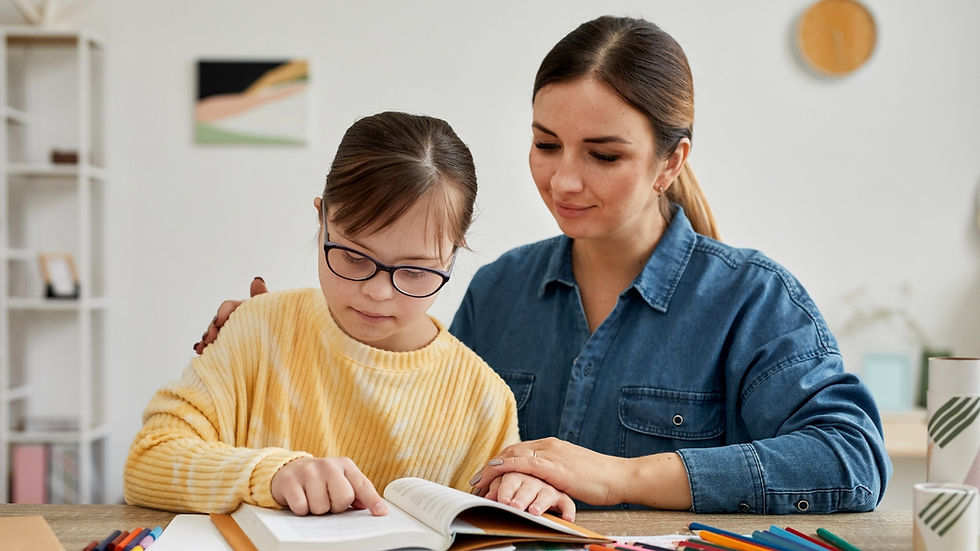
Many parents wonder how to encourage this kind of learning at home. With gentle guidance and a simple structure, everyday moments can become powerful learning experiences.
TL;DR
Kindergarten problem-based learning lets kids explore real problems through hands-on activities they can actually do.
Projects connect learning to everyday life, like counting leaves, caring for plants, or noticing local helpers.
Kids ask questions, make predictions, test ideas, and reflect on what they discover, building thinking and problem-solving skills naturally.
Even small, simple activities help children practice collaboration, observation, and decision-making in a fun, low-pressure way.
With the right support, like TSHA’s AEC curriculum, parents and educators can guide these projects confidently at home or in micro-schools.
Why Problem-Based Learning Works So Well in Kindergarten

Kindergarten children are already problem solvers, even before formal learning begins. They figure out how blocks fit together, how turns work, and what happens when the rules change.
Problem-based learning builds on this natural behavior. Instead of separating play from learning, it uses everyday questions children already ask and turns them into structured exploration.
At this age, abstract explanations rarely stick. Children understand better when they can touch, observe, test, and talk through ideas using real objects and shared experiences.
Small challenges, like planning a class activity or solving a classroom issue, help children practice decision-making in a safe, guided way. They learn that choices lead to outcomes.
Working in groups also changes how children communicate. They learn to explain their thinking, listen to others, and adjust ideas when something does not work as expected.
For educators and parents, the biggest shift is noticing how learning becomes visible. You can see thinking unfold through questions, drawings, conversations, and hands-on attempts.
Hands-On and Fun: 7 Kindergarten Problem-Based Learning Ideas to Try Today

Kindergarteners are little explorers; they notice everything, ask “why” a hundred times a day, and love trying things out for themselves. Kindergarten problem-based learning lets them turn those questions into real projects, where they can touch, see, and experiment with ideas that matter to them.
Instead of just sitting and listening, children become investigators: they count leaves in the playground, discover who helps in their neighborhood, or watch seeds grow in a cup. These hands-on projects connect learning to everyday life, spark conversations, and give kids a chance to think, try, and share their discoveries with others.
With the right projects, even simple activities can teach problem-solving, observation, and teamwork while keeping learning fun, short, and fully engaging.
Let’s look at some real, easy-to-do PBL ideas your kindergartener can start exploring today.
1. Community Contributors Project
Young children notice when something feels messy, loud, or confusing in their classroom. Those small frustrations become powerful learning opportunities.
Instead of just learning about helpers, children explore real classroom challenges and think about how they can contribute meaningfully.
Real Problem:
Our classroom sometimes feels messy or unorganized. How can we make it better for everyone?
Driving Question:
How can we help the people in our school community?
What Children Investigate:
Who helps keep our classroom and school running smoothly?
What problems do helpers solve every day?
What happens when those problems are ignored?
What Children Do:
Children observe a real classroom issue, like scattered books or messy art supplies. They discuss why the problem matters and who it affects.
Interview or role-play conversations with school helpers
Identify one classroom problem together
Brainstorm simple solutions in small groups
Try one solution for a few days
Reflection:
Did our solution improve the classroom?
What would we change next time?
Outcome:
A classroom “We Solve Problems” display showing the issue they identified, the solution they tested, and a simple reflection about what improved and what still needs work.
2. Local Business Helpers Project
Children pass shops every day, but rarely think about the problems those businesses solve for families.
This project encourages children to see beyond the storefront and understand how local businesses support their community.
Real Problem:
People often overlook how important neighborhood shops are. How can we show appreciation and understanding?
Driving Question:
How can we support the shops in our neighborhood?
What Children Investigate:
What would happen if there were no grocery stores?
How do bakers or shopkeepers help families daily?
What challenges might shop owners face?
What Children Do:
Children create a pretend classroom store and quickly discover challenges such as disorganization and missing supplies.
Take turns acting as shopkeeper and customer
Identify store problems during play
Suggest ways to fix those problems
Design thank-you cards for real businesses
Reflection:
What problems did we solve in our store?
Why are local businesses important?
Outcome:
A student-created neighborhood map with labeled shops, drawings of their roles, and handwritten appreciation notes explaining how each business supports families in the community.
3. Nature Numbers: Counting and Caring Parade
Counting leaves sounds simple until children realize messy piles make numbers confusing.
This project turns counting into a real organizational challenge that children must solve together.
Real Problem:
Nature items are hard to count when mixed together. How can we organize them to ensure accurate counting?
Driving Question:
How can sorting help us count better?
What Children Investigate:
Is counting easier when objects are grouped?
What happens when everything is mixed?
What patterns do we notice in nature?
What Children Do:
Children collect leaves, rocks, or flowers and attempt to count them.
Try counting without sorting first
Sort items by size, color, or type
Count again after organizing
Compare results as a group
Reflection:
Which method worked best?
Why does organizing help us solve problems?
Outcome:
A “Before and After Sorting” poster displaying mixed and organized collections, along with student explanations about how grouping objects made counting easier and more accurate.
4. Weather Detectives Project
In this project, kids become little weather scientists, observing rain, sun, wind, and clouds. They ask questions, make predictions, and notice patterns, turning everyday weather into a fun learning adventure.
Children often come dressed in ways that don’t match the weather. That everyday mistake becomes the core problem.
Instead of simply learning weather vocabulary, they use observation to make better daily decisions.
Real Problem:
Sometimes we are not dressed correctly for the weather. How can we prepare better?
Driving Question:
How can we predict and prepare for today’s weather?
What Children Investigate:
What happens when we ignore the weather?
How does the weather affect our comfort?
Do weather patterns repeat?
What Children Do:
Children observe the sky daily and record their findings.
Look outside and describe conditions
Track weather on a simple chart
Predict tomorrow’s weather
Suggest clothing choices
Reflection:
Were our predictions accurate?
How did the weather affect our day?
Outcome:
A collaborative weather journal with daily drawings, simple predictions, clothing suggestions, and reflections showing how observations helped them make better daily decisions.
5. Fall Project: Fixing Our Messy Cubby Area
After the first few weeks of school, backpacks fall over, water bottles roll away, and sweaters get mixed up. The classroom cubby area starts to feel crowded and confusing.
Instead of the teacher fixing it, children take on the challenge.
Real Problem:
Our cubby area gets messy. Bags fall down, jackets get mixed up, and sometimes we can’t find our things. How can we keep our cubbies neat and easy to use?
Driving Question:
How can we keep our cubby area neat and easy to use?
What Children Investigate:
What makes our cubby area messy?
Why do items fall or get misplaced?
How does it feel when we cannot find our things?
What do organized spaces look like?
What Children Do:
Observe the cubby area and point out problem spots
Take before-and-after pictures of the space
Sort items (bags, jackets, lunch boxes) into groups
Design simple name labels or picture tags
Test different organizing ideas (hooks, bins, spacing)
Practice putting items away properly for one full week
Reflection:
Did our new system make it easier to find our things?
What worked well? What didn’t?
How did it feel when the cubby area stayed organized?
What should we keep doing every day?
Outcome:
Children create a more organized cubby space with labeled spots and simple sorting systems. They can clearly explain what problem they noticed and how their ideas improved the space.
6. Spring Project: Growing Food
Seeds don’t always grow perfectly. That uncertainty turns gardening into a real investigation.
Children learn that plants need specific conditions, and their care directly impacts results.
Real Problem:
Some plants grow strong while others struggle. What do plants need to survive?
Driving Question:
How can we help our plants grow healthy?
What Children Investigate:
What happens if we forget to water?
Does sunlight change growth?
Do all plants grow at the same speed?
What Children Do:
Children plant seeds and carefully monitor their growth.
Plant seeds in small cups
Test different light conditions
Water consistently with guidance
Draw weekly observations
Reflection:
Which plant grew best?
Why do you think that happened?
Outcome:
A child-made plant care guide featuring growth drawings, simple comparisons between plants, and short conclusions explaining what helped their plant grow successfully.
7. Pollinator Garden Project
Children are fascinated by bees and butterflies, but rarely understand their importance. This project turns curiosity about insects into environmental responsibility.
Real Problem:
Bees and butterflies are visiting less often. How can we attract and support them?
Driving Question:
How can we make our space more pollinator-friendly?
What Children Investigate:
Why are pollinators important?
What do bees and butterflies need?
Which flowers attract insects most?
What Children Do:
Children observe outdoor spaces and notice where insects gather.
Compare different flowers
Plant pollinator-friendly seeds
Track insect visits weekly
Sketch the insects they observe
Reflection:
Did planting change insect visits?
Why do pollinators matter?
Outcome:
A small pollinator-friendly garden plan with flower drawings, insect observation charts, and student ideas explaining how their actions can support bees and butterflies.
As you can see, kindergarten problem-based learning is not about complicated projects; it’s about small, real problems children can see, touch, and solve together. But for everyday challenges to become real learning moments, the classroom environment plays a big role.
Now, let’s talk about how to create a space that actually supports kindergarten problem-based learning.
Creating a Kindergarten-Friendly Environment for PBL

The space where children learn can make a big difference in how they explore, experiment, and enjoy problem-based learning.
For kindergartners, the classroom or even a corner of the home should feel safe, open, and inviting, encouraging curiosity at every turn.
1. Keep it hands-on and accessible
Materials like blocks, art supplies, books, magnifying glasses, or natural items should be within children’s reach. When kids can grab what they need themselves, they take more ownership of their projects.
2. Create zones for different activities
You can have a small reading nook, a building area with blocks or recycled materials, a nature table with leaves and rocks, and a drawing or writing table. This helps children move between activities without feeling crowded.
3. Include visual prompts and displays
Charts, labels, or posters with numbers, shapes, or simple instructions can guide children while still giving them room to explore. Displaying past projects on walls motivates kids and shows that their work matters.
4. Make it flexible and changeable
PBL is all about experimentation, so the environment should allow easy rearranging. Tables can be pushed together for group work or separated for independent exploration.
5. Bring the outdoors in when possible
Natural light, fresh air, and small outdoor areas for observation or gardening help kids connect their learning to the real world. Even a small window garden or a tray of sand and rocks can spark hands-on discovery.
A well-prepared environment doesn’t just hold supplies, it invites children to notice, ask questions, and try things out, making every corner of the room a mini-laboratory for curiosity.
Setting up the right space is just the first step; having the right support and resources makes bringing problem-based learning to life even easier.
How The School House Anywhere (TSHA) Supports Kindergarten Problem-Based Learning

TSHA makes it easy for parents and educators to bring hands-on, real-world learning into kindergarten classrooms and homeschool spaces.
Our program is flexible, portable, and designed to support children as they explore, ask questions, and solve problems through project-based learning.
TSHA uses the American Emergent Curriculum (AEC), a developmentally aligned framework for Pre-K to 6th grade. The AEC connects subjects naturally, helping children discover, investigate, and apply learning in ways that make sense in their everyday world.
When you join TSHA, you’ll get access to tools and resources that make PBL simple, fun, and effective:
Educator Film Library: 300 short, easy-to-follow films showing how to guide hands-on learning and PBL projects in the classroom or at home.
Custom AEC Printables & Worksheets: Ready-to-use resources to support exploration, counting, storytelling, and observation activities.
Transparent Classroom: Track student progress, organize lessons, and maintain portfolios, all in one place.
TSHA Materials Boxes (optional to purchase): Curated kits to make project-based learning hands-on without extra prep.
Digital Welcome Box: Get started quickly with step-by-step guidance and resources.
Member Site Access: A hub for additional resources, lesson ideas, and inspiration.
LIVE Educator & Founder Sessions: Weekly online gatherings with Q&A, recorded for anytime access.
Scheduled Office Hours: Real-time support for parents and educators whenever needed.
Parent & Educator Community: Connect with other TSHA members, share ideas, and get guidance through our online network.
With TSHA, kindergarten problem-based learning isn’t just an idea; it’s a practical, supported, and exciting way to help your child explore the world around them.
Conclusion
Kindergarten is the perfect time for children to explore, ask questions, and try new ideas. Problem-based learning turns these natural curiosities into small, hands-on projects that connect to the world around them.
With TSHA, parents and educators don’t have to figure it out alone. Our AEC curriculum provides ready-to-use resources, step-by-step guidance, and a supportive community to make projects easier, more fun, and less stressful.
Start your child’s adventure in exploring, creating, and learning through real-world challenges. Join TSHA today as a parent or educator and watch your little learner’s curiosity bloom!
FAQs
Q1. What is the difference between problem-based learning and project-based learning in kindergarten?
Problem-based learning focuses on exploring questions and solving challenges, while project-based learning emphasizes completing a final product through exploration.
Q2. How can parents support problem-based learning at home?
Parents can provide materials, observe, ask guiding questions, and encourage reflection, making learning interactive and connected to real life.
Q3. Is TSHA suitable for all kindergarten children?
Yes, TSHA’s curriculum is flexible, secular, and developmentally aligned, catering to diverse learning needs while keeping lessons hands-on and engaging.
Q4. How long do problem-based learning projects typically last?
Projects can last from a few days to several weeks. TSHA’s 6-week modules provide a structured timeline for deeper exploration.
Q5. Can problem-based learning improve social skills in kindergarten?
Absolutely. Collaborative problem solving, discussion, and teamwork in projects help children develop communication, empathy, and confidence early on.


Comments