Understanding Cottage Microschooling: A Comprehensive Guide

If you’re looking for a more personal, flexible, and community-focused alternative to traditional schools, a cottage microschool might be just what you need. These small learning spaces, often hosted in homes or cozy community spots, prioritize personalized teaching and close-knit relationships between teachers, students, and families. This setting lets your child get the attention they deserve in a welcoming environment.
Unlike large classrooms with fixed schedules, cottage microschools adapt lessons to fit each child’s unique learning style and pace. This approach supports not only strong academics but also creativity, confidence, and social growth. Increasingly, families are choosing cottage microschools because they offer a balance of structure and freedom that helps children thrive.
In this article, you’ll explore what makes cottage microschools stand out, why more parents are embracing them, and how these schools create nurturing, engaging spaces where children can flourish.
What is Cottage Microschooling?
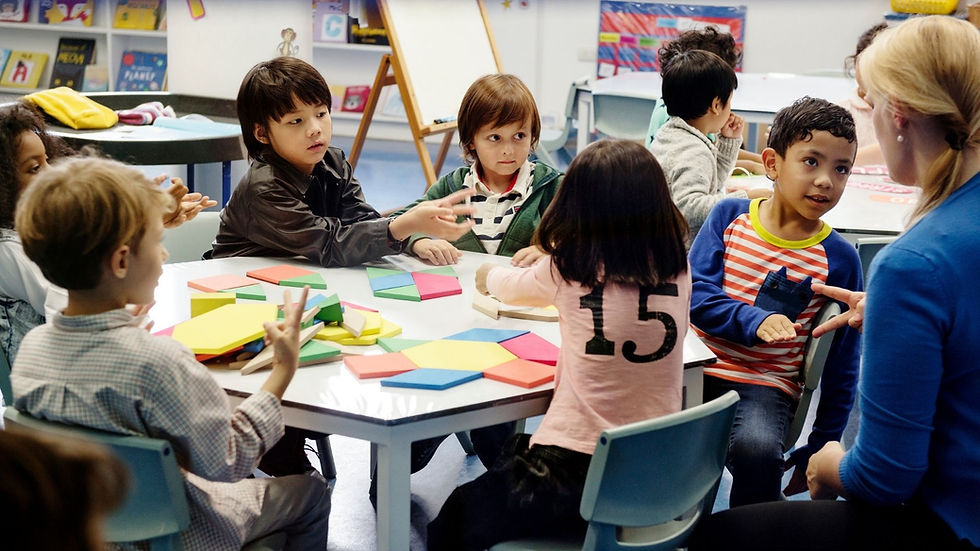
Cottage microschooling is a small, flexible learning model that brings together a handful of students in a home or cozy setting. Unlike traditional schools, cottage microschools focus on personalized education tailored to each child’s needs, interests, and pace.
You’ll find this approach emphasizes close relationships between students and educators, hands-on learning, and a tight-knit community feel. It’s a great option if you want a more intimate, supportive environment where your child can thrive without the distractions or rigid schedules of larger schools.
With cottage microschooling, you can expect a blend of academic rigor and creative exploration, often guided by proven curricula like the American Emergent Curriculum (AEC), making sure your child’s education is both engaging and well-rounded.
This model works well for families seeking flexibility, individualized attention, and a learning space that feels like home.
Key Features of Cottage Microschools
When considering the idea of a cottage microschool, you should think of a way of teaching that is based on small groups, freedom, and individualization. These are the things that make cottage microschools unique:
Small Class Sizes: Cottage microschools usually have less than 15 kids, which lets teachers give each child the care they need. This helps make the school a place where all students' needs are known and met.
Location Flexibility: These schools are usually held in private houses, small community properties, or other cozy places. They create an easygoing and familiar environment that makes learning more fun.
Personalized, Student-Centered Learning: There is no one-size-fits-all method to the program; instead, it is made to fit the skills, hobbies, and pace of each student. This keeps kids interested and keeps them going.
Strong Community and Family Involvement: Families and parents often get involved in school life by adding to the atmosphere and taking part in events. This makes learning a shared experience.
Along with these other features, the learning space feels more like a small, close-knit group than a usual school.
Now that you've learned about the important aspects, let's look at the advantages that cottage microschools provide for students and families.
Benefits of Cottage Microschools for Students and Families
If you’re thinking about opening a cottage microschool for your child, you’re choosing an educational path that offers real, meaningful benefits designed to fit your family’s unique needs. This model places your child at the heart of their learning journey and surrounds them with a supportive, engaged community. Here’s what you can expect and how to make the most of it.
1. Receive Individualized Attention That Truly Fits Your Child
Your child isn’t just another face in the classroom; they’re an individual with their own strengths and challenges. Cottage microschools keep class sizes small, usually under 15 students, so teachers can focus deeply on each learner’s needs.
What you can do: Collaborate with your child’s teacher to develop a personalized learning plan that reflects their interests, pace, and style. This might mean extra support in areas they struggle with or opportunities to dive deeper into subjects they love.
Example: One student who struggled with reading comprehension received one-on-one support and carefully chosen books. Over a few months, their confidence soared, and their skills improved significantly, transforming their whole approach to learning.
2. Enjoy Flexible Scheduling That Works for Your Busy Life
You juggle many responsibilities, and your family’s schedule isn’t one-size-fits-all. Cottage microschools offer the flexibility you need to balance education with work, travel, and other commitments.
What you can do: Talk with your microschool about options like part-time attendance, staggered days, or combining in-person lessons with online activities. This lets your child stay connected to their education without overwhelming your family.
Example: A family that moved often arranged a blended schedule where their child attended in-person classes when possible and completed lessons online during travel. This approach kept learning consistent and stress-free.
3. Build Stronger Relationships in a Close-Knit Community
Your child thrives when they feel safe, valued, and connected. Cottage microschools create tight-knit communities where students, parents, and teachers build meaningful relationships.
What you can do: Get involved by volunteering, attending school events, or helping plan outings. Your participation strengthens the school culture and creates a welcoming space where your child and others can flourish.
Example: Families at one microschool hosted monthly potlucks and coordinated nature walks, giving kids chances to bond and parents opportunities to support one another.
4. Experience Curriculum Tailored to Spark Your Child’s Curiosity
You want learning to be more than memorization; it should engage your child’s natural curiosity and creativity. Cottage microschools tailor lessons to what excites and motivates each student.
What you can do: Work with teachers to weave your child’s interests into projects and lessons. This could be anything from combining art and science in a nature project to exploring community topics through writing and research.
Example: In a “Community Helpers” unit, students interviewed local professionals, wrote reports, and created artwork, making learning active, relevant, and fun.
5. Provide a Safe, Comfortable Space That Supports Focus
Your child learns best in a calm, organized space where they feel secure. Cottage microschools often use cozy, home-like settings that help reduce distractions and anxiety.
What you can do: Help create learning areas that suit your child’s sensory needs, whether that means a quiet corner with soft lighting or an open area for movement and play.
Example: A student sensitive to noise thrived in a small, peaceful room with natural light and minimal clutter, improving their focus and comfort.
6. Take an Active Role in Your Child’s Education Journey
You want to be a partner in your child’s learning, not just a bystander. Cottage microschools encourage ongoing family involvement that strengthens student success.
What you can do: Attend parent-teacher meetings, communicate regularly with educators, and volunteer when you can. Staying connected lets you support your child both at school and home.
Example: Parents who received weekly progress updates and engaged in scheduled check-ins found they could better reinforce learning goals and celebrate achievements with their kids.
Now that you've learned about the advantages, let's look at how cottage microschools work on a daily basis to provide these customized learning opportunities.
How Cottage Microschools Operate?
Understanding how a cottage microschool runs each day will help you create or join a learning space that truly fits your child’s needs. You want a place that adapts to your child, keeps them interested, and lets you take part in their education. Here’s how these schools work and how you can make them work for your family.
1. You Can Create Small, Multi-Age Groups
Cottage microschools' setup helps teachers give your child the attention they need while encouraging peer learning.
How you can apply this: Group kids by their skill levels or interests instead of just age. This lets your child learn without feeling pressured to keep up or slow down.
Example: You might lead a reading group for kids at similar levels while others work on hands-on science or math projects tailored to what they already know.
Why it matters: When your child learns at their own pace, they feel more confident and take ownership of their progress.
Extra tip: Mixed-age groups also help younger kids learn from older peers, building social skills and leadership.
2. Design Flexible, Balanced Schedules
Rigid school timetables don’t work for every child. Cottage microschools design flexible days that mix focused lessons, creative projects, and time to move and explore.
How you can apply this: Notice when your child is most alert and plan core subjects like reading and math for those times. Use afternoons for hands-on activities, art, or outdoor learning to keep them engaged and prevent burnout.
Example: Start the day with math drills and reading circles, then spend the afternoon gardening, painting, or exploring nature trails.
Why it matters: A flexible routine keeps your child motivated and prevents frustration or fatigue.
Extra tip: Build in breaks and physical activity, they help kids stay focused and reduce stress.
3. Use Projects That Blend Multiple Subjects
A big part of cottage microschools is project-based learning. This means lessons connect different subjects around topics your child finds interesting.
How you can apply this: Create projects that include reading, writing, math, science, and art. Let your child help choose topics to make learning more meaningful.
Example: For a “Local Ecosystems” project, your child might study plants, record rainfall data, write reports, and make nature-inspired artwork.
Why it matters: Connecting subjects helps your child see how knowledge fits together and applies outside school.
Extra tip: Projects teach teamwork, problem-solving, and critical thinking, skills your child will use for life.
4. Involve Families and Community as Active Partners
You aren’t just a bystander in a cottage microschool; you’re part of a team. Families and local community members bring valuable skills and support.
How you can apply this: Volunteer your time, share your talents, or help organize field trips and events. Connect with local experts who can bring real-world experience into the classroom.
Example: Arrange a visit to a local bakery to learn about measurements and business or invite a community artist to teach mural painting.
Why it matters: When families and communities are involved, students feel supported and connected beyond school walls.
Extra tip: Regular parent meetings and group activities strengthen bonds and create a positive culture.
5. Use Ongoing, Informal Assessment
Instead of relying only on tests, cottage microschools watch how your child is doing through regular observations, portfolios, and conversations.
How you can apply this: Keep samples of your child’s work, writing, art, and projects, and meet with teachers to talk about progress and goals.
Example: Every few months, review your child’s portfolio together to celebrate achievements and plan next steps.
Why it matters: This approach keeps learning personalized and adjusts to your child’s changing needs.
Extra tip: Encourage your child to reflect on their work; it builds self-awareness and motivation.
Facing challenges with keeping up personalized progress tracking? The School House Anywhere offers tools and support designed specifically for homeschooling families and microschools. Our program provides easy-to-use portfolio and record-keeping systems, plus 24/7 live support to help you stay organized and focused on your child’s growth.
Explore how TSHA can simplify your assessment process and keep your child’s learning on track.
Now that you know how cottage microschools work, let us look at the practical steps you can take to start your own.
Starting a Cottage Microschool: Practical Steps
If you’re ready to start your own cottage microschool, you’re stepping into a rewarding journey to create a personalized, supportive learning environment that truly fits your child and community. To make it work well, you’ll need a thoughtful plan that covers everything from your educational vision to legal requirements and managing money wisely. Here’s a detailed guide to help you build a microschool you can be proud of and that lasts.
1. Define Your Vision and Set Clear Educational Goals
Before you dive in, you need to be crystal clear about why you’re starting this microschool and what kind of education you want to offer. This clarity will shape every decision you make, from curriculum choices to community building.
What you can do: Spend time thinking about what matters most to you. Do you want to focus on hands-on learning? Encourage creativity and critical thinking? Build a tight-knit community where every child feels seen and supported? Write a mission statement that clearly states your unique purpose.
Example: Your mission might be, “We create a welcoming space where every child’s natural curiosity drives their learning, supported by personalized instruction and a caring community.”
Why it matters: This helps keep your goals focused and attracts families who share your values, making your school stronger and more connected.
2. Choose and Prepare a Safe, Functional Learning Space
The place where your microschool meets isn’t just a location; it sets the tone for how students feel and learn every day. A well-planned space makes learning easier and more enjoyable.
What you can do: Find or create a space that’s safe, comfortable, and flexible enough for different activities. Whether it’s a dedicated room in your home, a rented community space, or a small building, make sure there’s room for quiet study, hands-on projects, group work, and physical movement.
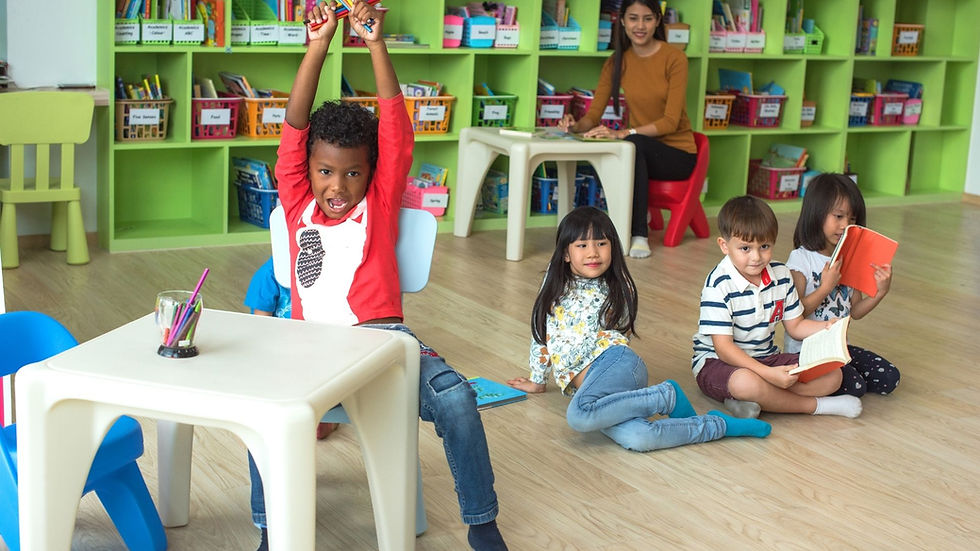
Example: Set up zones: a cozy reading corner with cushions and bookshelves, a hands-on activity table stocked with art and science materials, and an open area for group discussions or movement breaks.
Why it matters: A thoughtful space reduces distractions, supports different learning styles, and helps students feel safe and ready to engage.
3. Understand and Follow Legal Requirements
Knowing and following the laws in your state isn’t just about paperwork; it’s critical to running a microschool that lasts and is respected by families and authorities.
What you can do: Research Georgia’s homeschooling and private school laws. Contact the Georgia Department of Education or local homeschool support groups to understand registration, reporting, and compliance rules.
Example: You might need to register as a private school, submit attendance reports, keep detailed records, or follow specific curriculum guidelines.
Why it matters: Meeting these requirements protects your microschool legally and builds trust with families, showing that you provide a serious and reliable educational option.
4. Choose or Develop a Curriculum That Matches Your Goals
Your curriculum is the heart of your microschool. It guides what your students learn and how they experience education every day.
What you can do: Look for or design a curriculum that’s flexible, developmentally appropriate, and aligns with your vision. The School House Anywhere’s American Emergent Curriculum (AEC) is a great option; it’s hands-on, screen-free, and supports kids from Pre-K through 6th grade with rich, interconnected lessons.
Example: Use AEC’s structured weekly plans as a foundation, then add projects and activities that reflect your students’ interests, like local history, nature exploration, or creative storytelling.
Why it matters: A curriculum that fits your goals keeps students engaged, encourages deeper learning, and adapts as your microschool grows.
5. Build a Community by Finding Families Who Share Your Vision
Your microschool will thrive when you bring together families who believe in your approach and want to be part of a supportive learning community.
What you can do: Reach out through social media, local events, parenting groups, and word of mouth. Host open houses or informational sessions to introduce your school, share your vision, and answer questions.
Example: Show parents examples of student work, share stories from current families, and create opportunities for parents to meet and connect.
Why it matters: A strong, engaged community creates a positive atmosphere, offers support during challenges, and enriches the educational experience for everyone.
6. Plan Your Finances Carefully to Stay Sustainable
Running a microschool means managing money wisely so you can focus on education without financial stress.
What you can do: List all your expected expenses, space rental or mortgage, materials, utilities, and staff if needed, and set tuition to cover costs without excluding families. Consider offering sliding scales, payment plans, or scholarships to keep your school accessible.
Example: Start with a modest budget, track expenses carefully, and be transparent with families about how tuition is used. Adjust tuition as your enrollment changes and your needs grow.
Why it matters: Good financial planning keeps your microschool stable, allowing you to invest in quality teaching and resources for your students.
Now that you have a well-thought-out plan for launching your cottage microschool, it is critical to comprehend the typical obstacles you may encounter and how to get past them.
Challenges and How to Overcome Them?
Starting and running a cottage microschool can be a deeply rewarding experience, but it also comes with its fair share of challenges. Being prepared and knowing how to handle these common obstacles will help you create a thriving, supportive learning environment. Here’s a detailed look at what you might face and practical ways you can overcome these hurdles.
1. Managing Limited Space and Resources
Space and budget limits can make it hard to offer a variety of activities or keep learning materials fresh and engaging.
What you can do: Make the most of your space by using furniture that serves multiple purposes, like foldable tables, stackable chairs, or storage benches that double as seating. Rotate materials regularly so students always have new things to explore without overcrowding your space. Use community resources like local libraries for books and digital content, parks for outdoor lessons, and museums for field trips that add real-world context.
Example: Instead of expensive science kits, run experiments with safe household items like vinegar, baking soda, or food coloring. This not only saves money but also encourages creativity and resourcefulness in students.
Tip: Partner with local businesses, community centers, or nonprofits who might donate supplies or offer spaces for special events, giving your microschool access to resources you otherwise wouldn’t have.
2. Keeping Learning Flexible Without Losing Academic Standards
Balancing flexibility with academic rigor is key. You want to maintain a relaxed, personalized environment but still ensure your students meet important learning milestones.
What you can do: Set clear goals aligned with state or national standards, but deliver lessons through engaging, hands-on activities like project-based learning or interest-driven assignments. This approach lets you meet each child where they are, adapting to their learning pace and style without sacrificing content quality.
Example: Teach math concepts through practical projects, like planning and budgeting for a class event or creating a small business plan. This shows kids real-world applications of math while keeping learning relevant and fun.
Tip: Use simple formative assessments such as student portfolios, quizzes, or one-on-one discussions regularly to track progress. Be ready to adjust your teaching methods or materials based on how students are doing.
3. Making Social Interaction a Priority
Because cottage microschools tend to be small, you may worry about your child missing out on social opportunities.
What you can do: Actively schedule social activities outside the classroom. Organize joint field trips, collaborative projects, or regular meetups with other microschools and homeschool groups. These interactions build friendships and teach important social skills like teamwork and communication.
Example: Arrange monthly nature hikes, science fairs, or art days where students from several microschools come together to learn and play. These events can be highlights that kids look forward to and grow from.
Tip: Encourage parents to arrange playdates or community outings. Building a strong network among families strengthens the microschool’s community feel and supports social development.
4. Handling Administrative Tasks Efficiently
Balancing teaching and running the school’s administrative side can quickly become overwhelming.
What you can do: Use user-friendly digital tools designed for small schools, such as The School House Anywhere’s Transparent Classroom, which simplifies attendance, progress tracking, and communication. Block out dedicated time weekly to handle admin tasks, and don’t hesitate to delegate responsibilities to other parents or volunteers.
Example: Some microschools share admin duties among parents, with one handling attendance, another managing communications, and others supporting record keeping. This keeps the workload manageable for everyone.
Tip: Develop routines with checklists, calendars, and reminders to keep track of important deadlines and tasks. Staying organized prevents last-minute stress and keeps things running smoothly.
5. Maintaining Your Energy and Preventing Burnout
Running a microschool requires ongoing energy, and juggling this with other responsibilities can wear you down.
What you can do: Schedule regular breaks and carve out time for hobbies, exercise, or relaxation. Connect with other microschool leaders or homeschool groups to share experiences and support each other. Remember, asking for help isn’t a sign of weakness but smart management.
Example: Some microschools rotate teaching or administrative duties among several adults to spread the load. This approach prevents burnout and allows everyone to recharge.
Tip: Celebrate your successes, big or small, and remind yourself regularly why you chose this path. Keeping your motivation alive helps sustain your energy through tough times.
Now that you understand how to address common challenges, let us look at some inspiring real-life examples of cottage microschools in action.
Conclusion
Starting or joining a cottage microschool lets you tailor your child’s education to fit their unique needs. With small classes, flexible schedules, and personalized learning, you create a supportive space where your child can grow both academically and socially.
You’ve seen how cottage microschools operate daily, practical steps to start one, and ways to handle common challenges. Real-life stories show that with creativity, community support, and good planning, you can build a thriving learning environment.
At The School House Anywhere, we invite you to explore our distinctive approach to learning, one that sparks curiosity and supports every child’s unique potential.
Our curriculum blends the best of traditional American education with the American Emergent Curriculum (AEC), refreshed annually to stay relevant and inspiring. This combination encourages students to push their limits academically while growing into confident, independent learners.
Reach out today to schedule a visit or learn more about our programs. We look forward to partnering with you on your child’s learning journey.

Comments