Private School in the US: Types, Costs, and Tips to Choose One in 2026
Updated: Mar 30

You want the best education for your child. You have heard about private schools, but the more you look, the more overwhelming it gets. Which type is right for your child? How much does it actually cost? What does the admissions process look like? And is a traditional private school even the right fit for your family's life?
These are real questions, and you are not alone in asking them.
Private schools serve around 4.7 million students across the United States. Yet most parents walk into the decision without a clear picture of the system. This guide breaks it all down for you: what private schools are, how they work, the different types available, what they cost, how admissions work, and what modern alternatives are changing the way families think about education in 2026.
By the time you finish reading, you will have a clear, honest framework to figure out which path actually fits your child.
Key Takeaways
Private schools are independent K-12 institutions funded mainly through tuition and donations, giving them flexibility in curriculum, admissions, and school culture.
Private education includes several models, such as independent schools, religious schools, boarding schools, Montessori schools, Waldorf schools, online schools, and microschools.
Cost varies significantly. Average U.S. private school tuition is about $15,000 per year, while elite boarding schools can exceed $65,000–$80,000 annually.
Admissions are selective and require planning, typically involving school visits, standardized tests (SSAT or ISEE), recommendations, interviews, and applications submitted months in advance.
Alternatives like microschools and home-based learning programs are growing, offering smaller communities and more flexible learning compared to traditional private schools.
What Is a Private School?
A private school is a K–12 school that operates independently of the public school system. It is funded mainly through tuition, donations, and endowments rather than tax dollars.
Because of this independence, private schools can design their own curricula, set their own admissions policies, and shape their school culture. In the U.S., they follow basic state regulations but are not required to follow federal curriculum standards.
Private School vs Public School: Key Differences
Understanding the fundamental differences between public and private schools helps you make a more informed decision. Here is a direct comparison across the factors that matter most to families.
Factor | Private School | Public School |
Funding | Tuition, donations, endowments | Federal, state, and local taxes |
Class size | Typically, 10-18 students | Often 20-30+ in urban/suburban districts (national avg. ~21 elementary). |
Curriculum | School-designed; significant flexibility | State-mandated standards; standardized testing required |
Admissions | Selective application, testing, and interview required | Open enrollment based on geography |
Tuition | National avg. ~$14,999/year; elite schools $40,000-$80,000+ | Free (taxpayer-funded) |
Special education | Not required to follow federal IDEA provisions; varies by school | Legally required to provide FAPE and IEP services |
Extracurriculars | Often broad and well-resourced relative to school size | Varies widely by district budget |
College counseling | Dedicated counselors, often highly personalized at competitive schools | Shared counselors; often 300+ students per counselor nationally |
Important: If your child has an IEP or requires special education services, verify precisely what any private school provides before applying. Public schools are legally required to provide a Free Appropriate Public Education under federal law. Private schools are not held to the same standard.
How Private Schools Work in the United States?
Private schools in the US operate within a regulatory framework set by individual states, which means there is no single national standard. Here is what you need to understand about how they function:
Funding
Private schools rely primarily on tuition revenue. Most also supplement that income through charitable giving, alumni donations, fundraising campaigns, and sometimes endowment earnings. Schools with large endowments, such as certain New England boarding schools, can afford to offer significant financial aid without compromising program quality.
Governance
Most private schools are governed by an independent board of trustees or directors. This structure means decisions about curriculum, staffing, and programming are made at the school level, not by a school district. Parents and educators often find that this creates more accountability and responsiveness.
Accreditation
Accreditation is not legally required for all private schools, but many seek it from regional or national organizations to signal educational quality. Accredited schools must meet set standards and undergo periodic reviews. If you are evaluating a private school, ask whether it is accredited and by which accrediting body.
State Registration
Most states require private schools to register or file annual reports, and some require compliance with health, safety, and teacher qualification rules. Requirements vary significantly by state, so it is worth checking what applies in your area.
Suggested Read: How to Start a Private School: A Comprehensive Guide
7 Types of Private Schools Parents Should Know

Private school is not one thing. The category includes a wide range of educational models, philosophies, and structures. Here are the seven main types you will encounter.
1. Independent Private Schools
Independent private schools are non-religious and self-governed. They are not affiliated with any church, government body, or larger school network. These schools typically have a strong academic reputation, high tuition costs, and selective admissions.
They tend to attract families who prioritize academic rigor, strong extracurricular programs, and college preparation. Class sizes are usually small, and the curriculum is often developed in-house to align with the school's specific mission.
2. Religious Private Schools
Religious schools blend academic instruction with a faith-based perspective. They are run by churches, dioceses, or religious organizations and often include religious education as part of the regular school day.
Catholic schools are the most common type in the US, though you will also find Lutheran, Jewish, Muslim, Episcopal, and Evangelical Christian schools across the country. Religious private schools are generally more affordable than independent schools, with average Catholic elementary school tuition running around $4,840 per year.
3. Boarding Schools
Boarding schools are residential private schools where students live on campus during the school year. They provide a highly immersive academic and social environment, with students attending classes, participating in activities, eating, and sleeping in the same community.
Most boarding schools in the US are located in New England and serve high school students, though some also accept younger students. The experience is designed to build independence, community, and leadership alongside academic achievement.
4. Montessori Schools
Montessori education is built on the belief that children learn best when they are free to choose their activities within a structured environment. Developed by Dr. Maria Montessori, this approach emphasizes hands-on learning, self-directed exploration, and multi-age classrooms.
In a Montessori classroom, you will not see rows of desks or a teacher lecturing at the front of the room. Instead, children work independently or in small groups on tasks they select from a prepared set of learning materials. The teacher's role is to observe, guide, and introduce new concepts as the child is ready.
5. Waldorf Schools
Waldorf education was developed by Rudolf Steiner in the early twentieth century and takes a distinctly developmental approach. The curriculum is sequenced according to the child's stage of growth, moving from imaginative, arts-based learning in the early years to more abstract and analytical thinking in adolescence.
Waldorf schools emphasize creativity, storytelling, handwork, movement, and the arts alongside academics. Screen-based technology is intentionally limited, especially in the lower grades, in favor of experiential and hands-on learning.
6. Online Private Schools
Online private schools deliver accredited, full-time education through digital platforms. Students attend live virtual classes, complete coursework online, and interact with teachers and peers through video and messaging tools.
These schools have expanded significantly since 2020 and now offer high-quality programs for families who need schedule flexibility, live in remote areas, or have children with specific health or learning needs.
7. Microschools
Microschools are small, intentional learning communities that typically serve five to twenty students. The microschool model gained significant momentum during and after the pandemic, as families sought more flexible, community-driven alternatives.
Microschools often operate under homeschool laws or as private schools, depending on the state. They can be run by parents, educators, or entrepreneurs, and they use a wide variety of curriculum approaches, from project-based learning to structured classical education.
For families drawn to this model, The School House Anywhere (TSHA) offers a structured, hands-on AEC curriculum and the support to make it work, whether you are joining one or building one. Get a sample curriculum today and explore the opportunity.
Top 6 Examples of Well-Known Private Schools in the United States
To give you a sense of what private schools can look like at the highest level, here are a few well-known institutions and what they are known for.

Founded in 1781, Exeter is among the oldest boarding schools in the US and is known globally for the Harkness teaching method, in which all learning occurs through student-led discussion around an oval table, with no lectures. Students come from 44 states and 32 countries, and 45% receive financial aid, with full tuition waived for families earning $125,000 or less.
Tuition (2025-26) | $69,537 | Day: $54,312 (Note: Official 2026-27 rates rose to $71,797 boarding/$56,077 day). |
Acceptance Rate | 17-18% | Need-blind |
Student-Teacher Ratio | 6:1 |
Notable Alumni | Mark Zuckerberg, Dan Brown, and Robert Todd Lincoln |
Key Features
• Over 450 courses across 18 subject areas, including independent and college-level study
• Average financial aid package of $56,315 for boarding students
• 100% four-year college matriculation rate
• Campus includes 130+ buildings, two ice rinks, a theater, and a boathouse
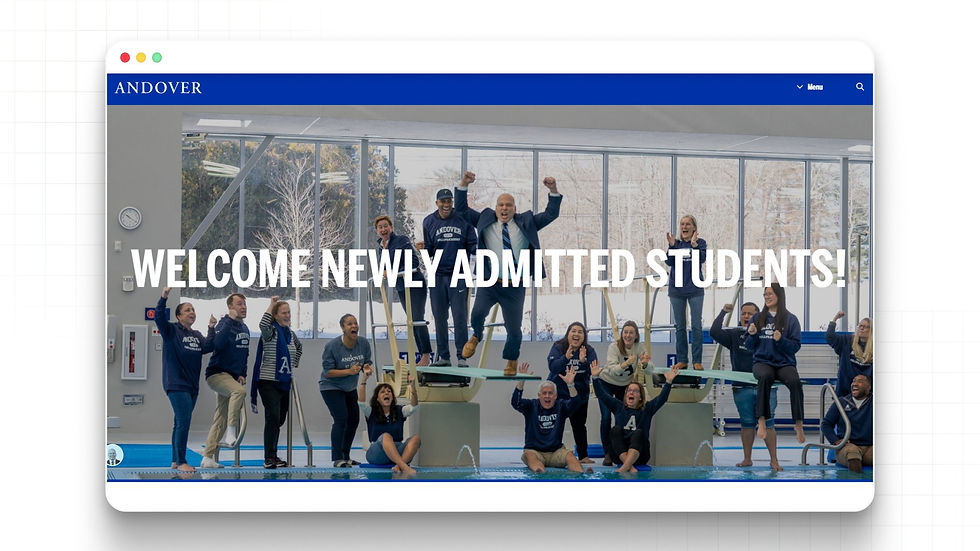
Founded in 1778 and the oldest incorporated secondary school in the US, Andover skips AP courses entirely in favor of its own advanced interdisciplinary curriculum. The school operates on a need-blind admissions policy, covers 100% of demonstrated financial need, and sends graduates to every major research university each year.
Tuition (2025-26) | ~$73,780/year all-in (2025-26) |
Acceptance Rate | 13% | Need-blind |
Student-Teacher Ratio | 5:1 | 300+ courses |
Notable Alumni | George H.W. Bush, George W. Bush, Jack Lemmon |
Key Features
• Member of the Ten Schools Admissions Organization, which lets families coordinate visits across 10 elite boarding schools.
• Students come from over 40 states and 40+ countries.
• Dedicated arts, sciences, and community service programs embedded into graduation requirements.
• 100% four-year college matriculation.
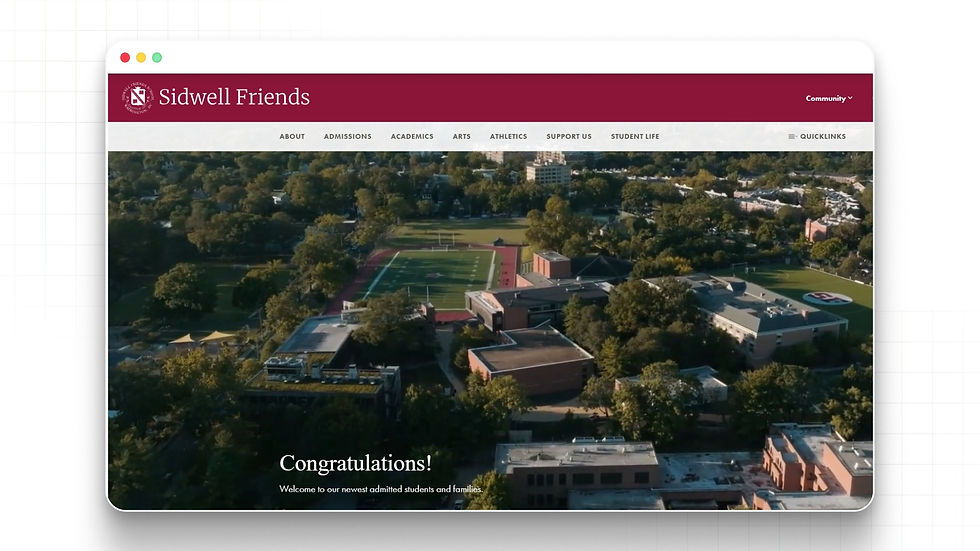
A Quaker-affiliated Pre-K through 12-day school across two campuses in Washington, DC, and Bethesda, MD. Sidwell eliminated AP courses in 2018, replacing them with original interdisciplinary coursework. It is known for educating the children of multiple US presidents and for its strong commitment to sustainability and community service.
Tuition (2025-26) | $53,470 to $59,920 by grade (2025-26) |
Acceptance Rate | 7 to 15% by grade | Selective |
Student-Teacher Ratio | 8:1 | 1,120 students |
Notable Alumni | Chelsea Clinton, Malia Obama, Sasha Obama |
Key Features
• 25% of Upper School students receive financial aid from a $10 million annual budget, approximately.
• Carbon-neutral facilities and environmental learning integrated into the curriculum.
• Quaker values of integrity and community are part of daily school life.
• Strong extracurricular program in arts, athletics, and student leadership.
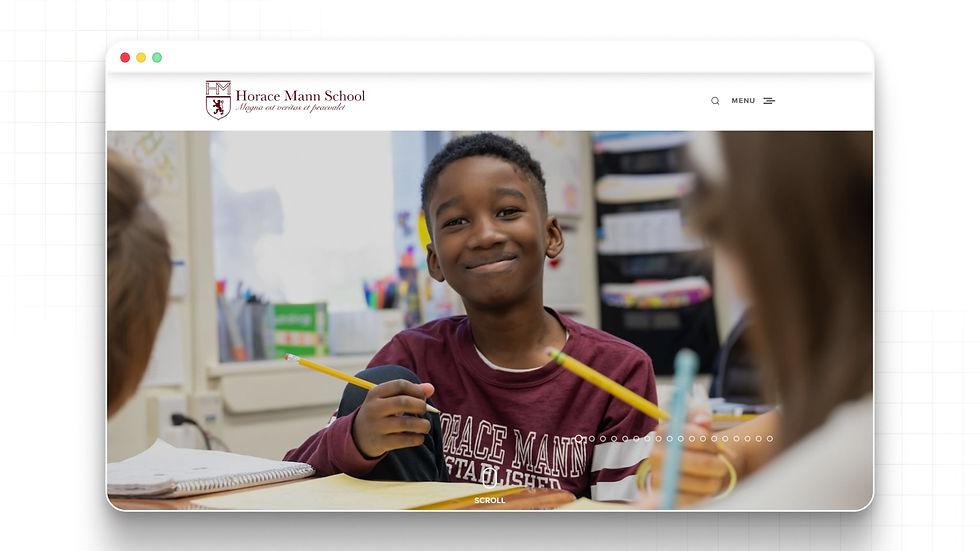
An independent day school serving Nursery through Grade 12 on a 19-acre campus in Riverdale, Bronx, founded in 1887. Horace Mann is known for one of the largest and most qualified independent school faculties in the country, with 85% of teachers holding advanced degrees, and for a $16 million annual financial aid budget.
Tuition (2025-26) | $65,370 plus $1,360 in required fees (2025-26) |
Acceptance Rate | ~16% | Need-blind |
Student-Teacher Ratio | 6:1 | 1,793 students |
Notable Alumni | Jack Kerouac, Roy Cohn, William O. Douglas |
Key Features
• 40+ varsity and junior varsity athletic teams and 15+ student publications.
• Bus network serving routes across New York, New Jersey, and Connecticut.
• Dedicated college counseling program starting in 10th grade.
• 17% of students receive financial aid from the annual $16 million aid budget.

A co-educational nonsectarian day school for grades 5 through 12, founded in 1919 in North Seattle. Lakeside carries one of the largest per-student endowments among US independent schools at approximately $260 million, which funds generous financial aid for families earning up to $250,000 per year. The aid package covers tuition, fees, books, a laptop, and lunch.
Tuition (2025-26) | $49,350/year (2025-26) |
Acceptance Rate | 14% | Highly selective |
Student-Teacher Ratio | 9:1 | 876 students |
Notable Alumni | Bill Gates, Paul Allen, and Adam West |
Key Features
• Every student completes 80+ hours of community service and one week of outdoor education before graduation.
• Global Service Learning program places students in international communities for hands-on service.
• 100% four-year college matriculation rate.
• Strong culture of innovation and problem-solving embedded across all grade levels.
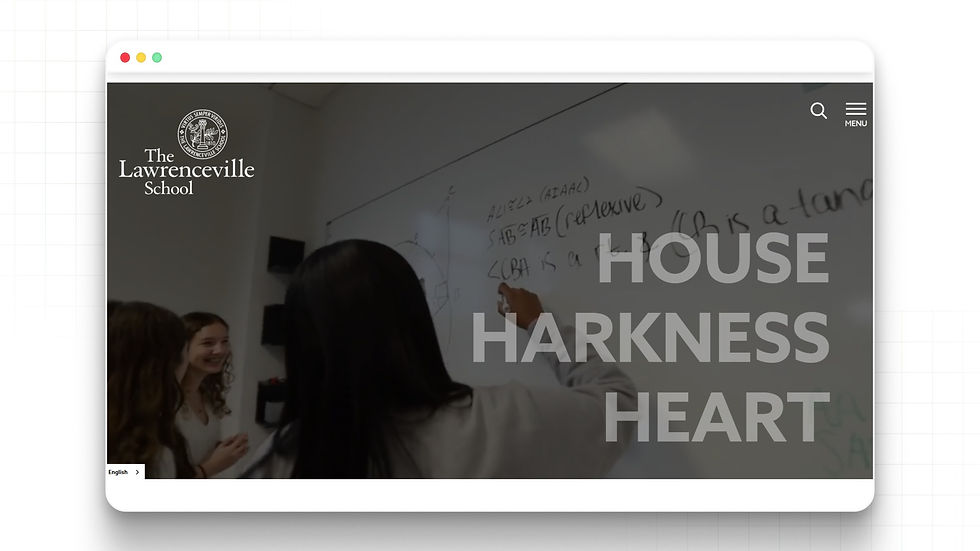
Founded in 1810, Lawrenceville is one of the oldest boarding schools in the US, set on a 700-acre campus in central New Jersey. It uses the Harkness discussion method across the humanities and social sciences and organizes student life around a 10-house residential system that creates close communities within the larger school.
Tuition (2025-26) | $68,000 to $72,000/year incl. room and board (2025-26) |
Acceptance Rate | 13% | Highly selective |
Student-Teacher Ratio | 5:1 | 820 students |
Notable Alumni | Alumni in government, finance, journalism, and the arts |
Key Features
• Member of the Ten Schools Admissions Organization, allowing coordinated visits across 10 top boarding schools.
• 30% of students receive financial aid.
• 165 buildings on campus, including arts, science, and athletic facilities.
• All learning in the humanities is collaborative and discussion-based, with no traditional lectures.
Pros and Cons of Private Schools
Private schools offer real advantages for many families, but they are not the right fit for everyone. Here is an honest look at both sides.
Pros
Smaller class sizes that allow for more individualized instruction and stronger student-teacher relationships.
Greater curriculum flexibility, enabling schools to offer specialized programs, project-based learning, or values-aligned education.
Strong college preparation at many independent and boarding schools, with dedicated counseling and Ivy+ placement records.
A defined school culture and community that families opt into, rather than being assigned based on geography.
More responsive administration, since schools are governed by independent boards rather than large district bureaucracies.
Cons
Tuition is a significant financial commitment for most families, with costs ranging from a few thousand dollars to over $70,000 per year.
Admissions processes at competitive schools can be stressful and time-consuming for both parents and children.
Private schools are not required to follow federal IDEA standards for students with disabilities, which may limit special education support.
Less demographic and socioeconomic diversity at some schools, depending on tuition levels and scholarship availability.
No guaranteed enrollment: even if you can afford tuition, admission is not certain at selective institutions.
How Much Does Private School Cost in the U.S.? (2026 Data)
Cost is one of the first questions parents ask, and it deserves a clear, data-grounded answer.
The figures below reflect 2025-26 reported and projected data.
National Tuition Averages (2025-26)
School Type | Average Annual Tuition |
Private schools (national avg) | |
Private elementary schools (national avg) | ~$9,210/year |
Private high schools (national avg) | ~$16.420/year |
Catholic elementary schools | ~$4,840/year |
Catholic secondary schools | ~$11,240/year |
Nonsectarian independent day schools (NAIS median) | ~$33,361/year |
Boarding schools (avg. tuition + room & board) | $65,000-$80,000+/year |
Online private schools | $5,000-$15,000/year |
Regional Differences
Geography significantly affects what you will pay. Northeast states, particularly Connecticut, Massachusetts, and New York, carry the highest private school tuition burdens nationally.
Connecticut averages approximately $28,433 per year across all private K-12 schools. Southern and Midwestern states tend to be more affordable, with Alabama averaging around $11,467.
Within New York City specifically, the most elite independent day schools now charge $65,000–$75,300 per year for high school students (2025-26 and 2026-27 academic years), a figure that has nearly doubled from the 2014-15 median of $39,900.
Financial Aid, Scholarships, and School Choice Programs
Cost should not automatically rule a school out. Here is what is available:
• Need-based financial aid: About 25% of students at NAIS member independent schools receive some form of financial assistance. Aid packages range from a few thousand dollars to full tuition. Most schools use need-analysis services and evaluate income, assets, debt, and household size.
• School choice programs: As of 2025, 34 states have policies providing some form of vouchers or support for non-public school tuition. More than 1 million students are currently enrolled in private school choice programs nationwide.
• Education Savings Accounts (ESAs): Available in 15+ states and funded by public dollars, ESAs can provide $5,000-$17,000 per year toward private school tuition and other educational expenses.
• Scholarship tax credit programs: Available in 18 states; allow families to access scholarship funding donated by businesses and individuals in exchange for state tax credits.
Tip: Apply for financial aid even if the listed tuition seems clearly beyond your budget. Many schools substantially reduce net tuition for qualifying families, and the actual cost can differ significantly from the sticker price.
Private School Admissions Process

Private school admissions can feel complex the first time through, especially at competitive schools. Here is what a typical cycle looks like, from first contact to enrollment.
Step 1: Research and School Visits (12-18 Months Before Enrollment)
Start your search well before your target enrollment year. Visit campuses, attend open houses, and attend info sessions. This phase is about getting a sense of fit, not just rankings. Ask about academic philosophy, school culture, and what a typical week looks like for a student.
Step 2: Standardized Testing (Fall Before Enrollment)
Many private schools, particularly for grades 5-12, require standardized admissions tests. The two most commonly used are the ISEE (Independent School Entrance Exam) and the SSAT (Secondary School Admission Test). For younger students, schools may use play-based assessments or psychological screenings through certified psychologists. Testing typically happens between September and December.
Step 3: Application Submission (November-January)
Most applications are submitted through online portals. Applications typically require a parent statement, student essays or prompts, and academic records. Many competitive schools open applications in September or October for the following school year, with deadlines in January or February. Keep a tracking system for each school's specific requirements and due dates.
Step 4: Recommendations and Transcripts
You will need teacher recommendations, typically from your child's English and math teachers, for middle and high school applicants. Elementary applicants often need a recommendation from their current principal or classroom teacher. Request these early in the fall; teachers and administrators need time to write thoughtful letters.
Step 5: Student Interview and Campus Visit
Most private schools include a student interview as part of the admissions process. For younger applicants, this may take the form of a play session or classroom visit. For older students, it is usually a one-on-one conversation with an admissions counselor. This is the school's chance to meet your child and your family's chance to ask detailed questions about programs and the community.
Step 6: Decision and Enrollment (March-April)
Most schools send admissions decisions in March. If accepted at multiple schools, you will have a two-to-three-week window to sign your enrollment contract and submit a deposit. If waitlisted, contact the school to express continued interest and provide any updated materials.
How to Choose the Right Private School?
With so many options available, choosing a private school can feel overwhelming. The right choice is not always the highest-ranked school. It is the one that fits your child’s needs, your family’s values, and what you can realistically sustain.
Before you start comparing campuses or applications, focus on the factors that shape a student’s everyday experience at school.
Your child’s learning style: Some children thrive with structured instruction, while others learn better through discussion, exploration, or hands-on work. Look for a school where the teaching style matches how your child naturally learns.
Your family’s priorities: Decide your non-negotiables early. This might include faith-based education, a secular environment, strong arts or sports programs, smaller class sizes, or learning support services.
The school environment: If possible, visit during a regular school day. Pay attention to how teachers interact with students and whether classrooms feel active and engaged.
Student support systems: Ask how the school supports students who struggle academically or socially. The way a school handles challenges often reveals more about its culture than its promotional materials.
Practical considerations: Tuition, additional fees, and commute time all affect daily life. A school should be financially and logistically sustainable for your family.
Your child’s perspective: Include your child in visits and discussions, especially for middle and high school. When students feel comfortable in their school environment, they are more likely to succeed there.
Want Private School Quality Without the Private School Price Tag?
Traditional private schools work well for many families, but they are not built for everyone. If the cost is a barrier, the structure feels too rigid, or you want more control over how and where your child learns, there are real, well-supported alternatives that deliver private-school quality without the institutional model.
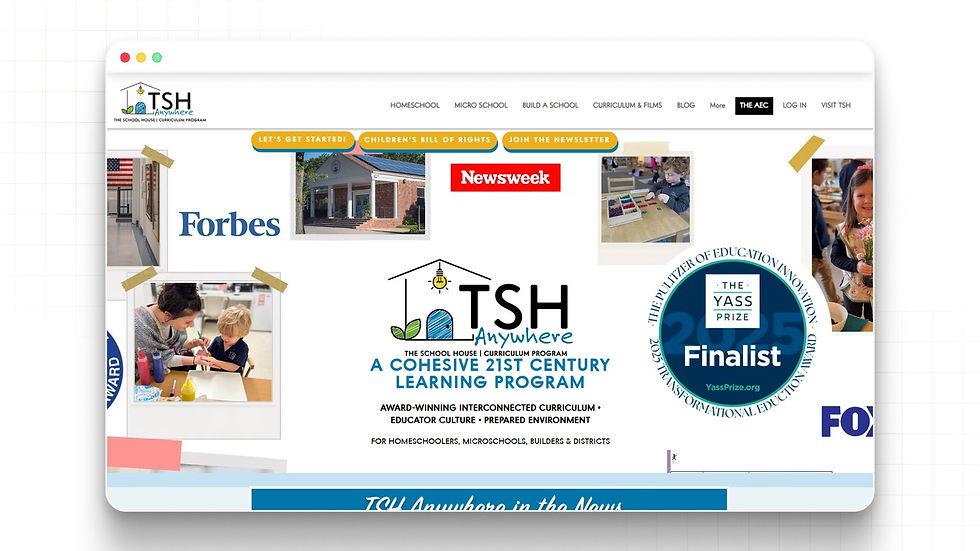
The School House Anywhere (TSHA) is a program designed specifically for families and educators in that position. It is built around the American Emergent Curriculum (AEC), a secular, hands-on learning framework for Pre-K to 6th grade that prioritizes real-world learning, critical thinking, and creativity over screen time and rote instruction.
Here is who TSHA is built for:
• Parents homeschooling at home: Get a complete, structured curriculum with custom printables, weekly live educator sessions, progress tracking tools, and 24/7 support. Private-school quality, delivered at home on your schedule.
• Educators starting a microschool: TSHA helps you find a space, launch your program with a ready-to-use curriculum, track student progress, and build a parent community, without building everything from scratch.
• Entrepreneurs building an education program: Access the AEC framework, school administration tools, and expert guidance to launch and grow a learning community that families trust.
Final Thoughts!
Choosing a school is not a decision you make once and forget. It shapes your child's daily life, how they think, and what they believe learning is supposed to feel like.
Private schools offer a lot: smaller classes, thoughtful curricula, and strong college outcomes. But they are not the only path to a great education, and for many families, they are not the right one.
More parents today are taking that decision into their own hands, through microschools, home-based programs, and small learning communities built around how their child actually learns.
If that sounds like you, The School House Anywhere (TSHA) is worth a look. TSHA gives parents, educators, and education entrepreneurs the curriculum, support, and tools to build something that genuinely works. Visit The School House Anywhere to learn more about the program.
FAQs
1. Can my child switch from a public school to a private school mid-year?
Yes, most private schools accept mid-year transfers if space is available, though academic records and an interview are typically required.
2. Do private schools follow the same academic calendar as public schools?
Most follow a similar September-to-June calendar, but boarding schools and some independents run on different schedules with longer breaks.
3. At what age should a child start at a private school for the best outcome?
An earlier entry, such as Pre-K or Kindergarten, helps children adapt to the school's culture, teaching style, and community more naturally.
4. Are private school credits accepted if we move states or switch schools?
Generally, yes, but accreditation matters. Credits from accredited private schools transfer more smoothly than those from unaccredited programs.
5. How do microschools handle report cards and transcripts for college applications?
Most microschools issue their own transcripts. Students applying to college typically supplement these with portfolios, standardized test scores, and recommendation letters.


Comments