Portland Micro Schools: How to Start & Succeed in 2025
Updated: Nov 6, 2025

What if school didn’t have to mean 30 kids, one teacher, and rows of desks?
In Portland, that question is sparking a quiet revolution. More families and educators are stepping away from traditional school systems, not out of protest, but out of possibility. They’re building something smaller, more personal, and rooted in real connection: micro schools.
These aren’t experimental labs or elite private programs. They’re happening in living rooms, shared studios, and local community spaces, places where curiosity leads, and every child is known. And in a city like Portland, where independence and creativity shape how people live, it’s no surprise this model is thriving.
Whether you’re an educator ready to create your own school, a parent seeking a better fit, or someone exploring the future of learning, this guide will help you understand what micro schools are, why they’re booming in Portland, and how school programs can help you build one from the ground up.
At a Glance
Micro schools are growing fast in Portland, offering small, personalized learning environments as flexible alternatives to traditional classrooms.
You don’t need a full campus or big budget; many micro schools start in homes, garages, or community spaces with just a few families.
Oregon allows micro schools to operate as homeschool co-ops or private schools, each with its own legal requirements.
Curriculum matters. The American Emergent Curriculum (AEC) by TSHA offers a hands-on, secular, and screen-free solution tailored for small schools.
TSHA supports founders every step of the way, with curriculum, tools like Transparent Classroom, live educator gatherings, and an active founder network.
What Is a Micro School? (And Why It’s Not Just Another Private School)
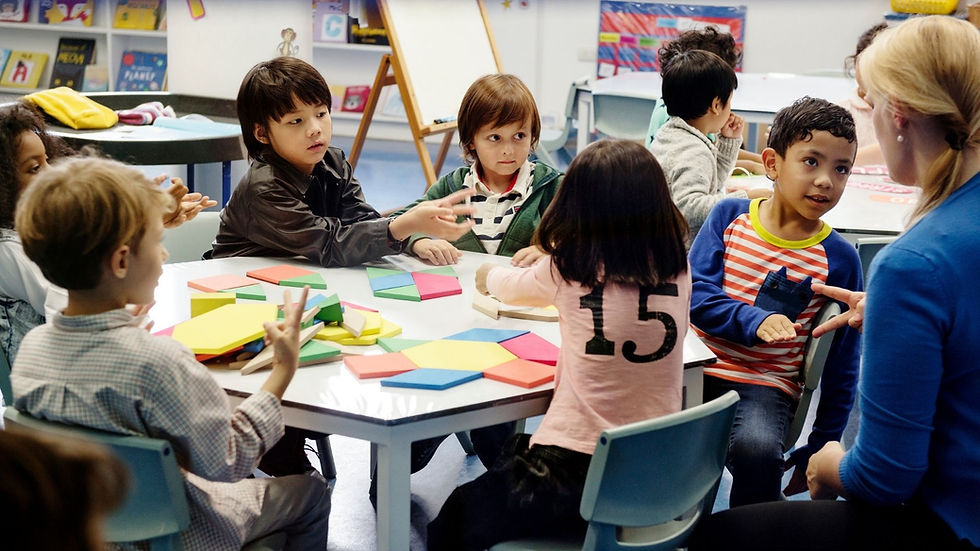
A micro school is a small, independent learning environment designed to serve a limited number of students, typically between 5 and 15, while focusing on personalized, flexible, and often project-based education.
Unlike private schools, micro schools don’t require a campus, uniforms, or a formal administrative structure. They’re agile by design, often run out of homes, community spaces, or shared venues, and tailored to the needs of the students and families involved.
In Portland, micro schools are becoming a practical response to common frustrations: rigid curricula, overcrowded classrooms, lack of neurodiversity support, and excessive screen time. They’re not a workaround; they’re a rethinking of what education can look like when local communities take the lead.
Here’s how micro schools stand apart:
Size: Smaller student-to-teacher ratios mean deeper relationships and more individualized learning.
Structure: Many are run by former teachers, parents, or education entrepreneurs, not large institutions.
Flexibility: Learning can follow the child’s pace, interests, and needs not a standardized test calendar.
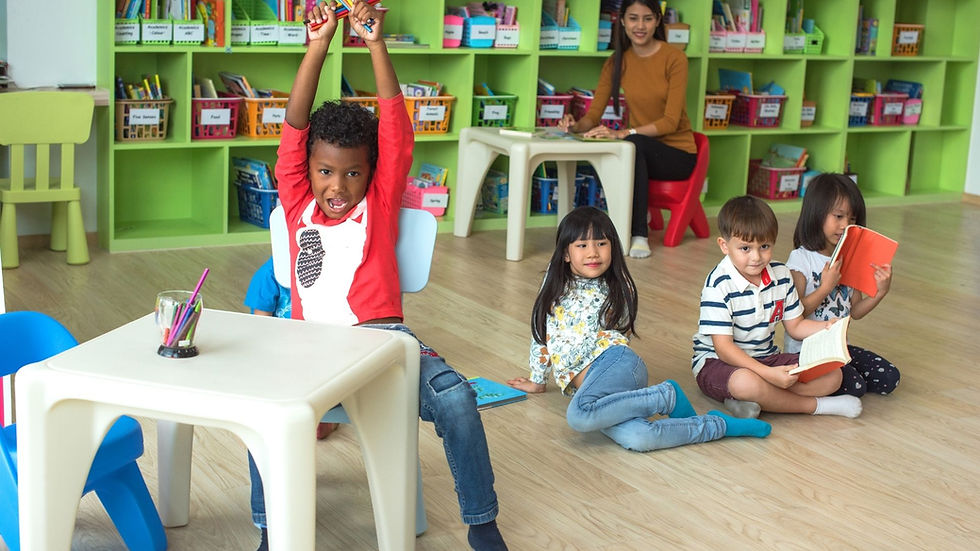
Space: No traditional classrooms are needed; some operate from homes, others in co-working or multi-use spaces.
Philosophy: Focused on real-world learning, critical thinking, and emotional development, not just academics.
Portland’s micro school movement reflects a broader shift away from uniformity and toward community-led, learner-centered education. It’s not about replicating school on a smaller scale. It’s about redesigning it from the ground up.
5 Key Reasons Families in Portland Are Choosing Micro Schools
Portland has long embraced grassroots change, and when it comes to education, micro schools are becoming the preferred model for families seeking something more intentional, inclusive, and human-centered. Here are five reasons why this shift is happening now:
1. Personalized, Child-Centered Learning
Micro schools offer flexibility that traditional classrooms simply can’t. Educators can tailor instruction to each child’s pace, interests, and needs—something that’s especially valuable for gifted learners, late bloomers, and neurodivergent students.
2. A Break from Screen-Heavy Education
Many Portland parents are concerned about rising screen time in public and online schools. Micro schools prioritize tactile, hands-on learning, gardening, cooking, building, storytelling, bringing back movement, and real-world engagement.
3. Support for Neurodiverse Learners
Schools like Activate in Sellwood are proof that micro schools can be safe, empowering spaces for children with ADHD, autism, or sensory needs. With smaller group sizes and flexible approaches, students are met where they are—without labels or stigma.
4. Stronger Relationships and Community
Micro schools foster deep connections not just between teacher and student, but among families too. There’s a shared sense of ownership and purpose, where every voice matters and parents are active collaborators, not just spectators.
5. Education Aligned with Values
Whether it’s environmentalism, social justice, or a non-religious approach to learning, micro schools in Portland are often shaped by shared values. Families can choose learning environments that reflect what they believe in, not just what’s available.
How to Start a Micro School in Portland (Step-by-Step)

Starting a micro school in Portland doesn’t require a campus or a million-dollar grant it starts with a clear vision, a small group of families, and a strong understanding of your legal and community context. Here’s how to get going, step by step:
1. Assess Local Needs
Begin with your “why.” Are local schools not meeting the needs of neurodivergent learners? Is your neighborhood looking for a secular, hands-on alternative to traditional classrooms?
Understanding the gaps you’re addressing will guide every decision you make.
Talk to parents, educators, and community leaders
Run informal surveys or host info nights
Identify the age group and focus of your micro school
2. Choose a Legal Structure
In Oregon, your micro school will likely fall into one of two categories:
Homeschool Co-op: Families remain the primary educators, and you facilitate group learning. You’ll need to follow Oregon’s homeschool laws, including notification and testing requirements.
Private School: A more formal structure where you (or hired educators) are the primary instructors. You may need to register with the Oregon Department of Education and meet certain facility or reporting standards.
To learn more about the key regulations and considerations, check out Microschools: Legal Considerations and Requirements You Must Know.
3. Secure a Learning Space
This could be:
A home or converted garage
A local church, grange hall, or community center
Shared educational spaces or co-working environments
Focus on safety, accessibility, and how well the space supports hands-on, small-group learning.
4. Build Your Team and Community
You don’t need a staff of ten, but you do need the right people, educators, parents, or community mentors who share your values. And if you’re launching solo, finding co-founders or advisors early will help lighten the load.
5. Create a Sustainable Financial Model
Options include:
Tuition-based models
Sliding scale or cooperative contribution
Grants (e.g., VELA Fund, local education foundations)
Crowdfunding or community fundraising
Clarity around finances builds trust and longevity.
6. Plan for Compliance and Record-Keeping
Even informal learning setups must meet certain benchmarks:
Track attendance and progress
Ensure emergency protocols are in place
Maintain transparent communication with families
Launching a micro school means juggling everything from lesson planning to compliance, and it can get overwhelming fast. That’s where The School House Anywhere (TSHA) comes in. Through tools like Transparent Classroom, TSHA helps founders track student progress, organize portfolios, and meet state requirements—all without getting buried in paperwork. It’s built for small schools that need structure without bureaucracy.
Tools like Transparent Classroom (used by TSHA) can make this simple and efficient.
What Curriculum Works Best for Micro Schools in Portland?

Choosing the right curriculum is one of the most important decisions you’ll make when starting a micro school and one of the most overwhelming. In Portland, where families often value creativity, critical thinking, and inclusion, the curriculum must do more than meet standards it must inspire.
But many founders face the same challenge: how do you design a curriculum that’s flexible, secular, developmentally appropriate, and still rooted in real-world learning?
Why Standard Curriculum Models Often Fall Short
Traditional curricula are built for large institutions, not intimate, dynamic learning spaces. They tend to assume screen-based delivery, rigid pacing, and standardized testing—all of which clash with the core strengths of micro schooling: personalization, community connection, and experiential learning.
That’s why many Portland micro school founders are turning to alternatives that better reflect how kids actually learn.
Why the American Emergent Curriculum Fits Portland’s Micro School Model
Developed by The School House Anywhere (TSHA), the American Emergent Curriculum (AEC) is designed specifically for micro schools, homeschoolers, and progressive learning environments. It’s secular, screen-free, and grounded in developmental research—all while supporting key academic standards.
Here’s why it works for Portland-based schools:
Interdisciplinary & Localized: Subjects are connected through themes and real-world context, perfect for weaving in Portland’s ecology, culture, and history.
Hands-On by Design: Activities encourage learning through doing—gardening, cooking, building, storytelling, not worksheets or screens.
Customizable Modules: Delivered in 6-week sessions that allow deep dives into specific themes, with room to adapt to your students’ pace and interests.
Inclusive & Secular: Designed to be accessible to families from all backgrounds without religious affiliation or ideological bias.
Support Materials Included: From printable worksheets to educator guides, founders don’t need to start from scratch or patch together resources.
Who Should Run a Micro School? Finding and Supporting Great Educators

At the heart of every successful micro school is a great educator not just someone who knows how to teach, but someone who understands how children grow, think, and connect. In Portland’s micro school movement, that person might be a certified teacher, a former homeschool parent, or even a community leader with a passion for experiential learning.
But no matter their background, they share one thing: a commitment to student-centered, flexible, real-world education.
What to Look For in a Micro School Educator
When building your team or deciding if you’re the right person to lead, it helps to focus on key traits, not just credentials:
Adaptability: Can they tailor lessons to individual students and pivot when things don’t go as planned?
Curiosity: Do they model a love of learning?
Collaboration: Are they comfortable working closely with families and community partners?
Classroom Management in Small Groups: Can they lead a learning space with structure, but without rigidity?
In micro schools, emotional intelligence is just as important as subject matter expertise.
Where to Find the Right People
Local universities: Connect with education programs at PSU, Lewis & Clark, or Concordia’s alumni network.
Alternative certification programs: Look for educators coming through non-traditional training with a focus on Montessori, Waldorf, or outdoor ed.
Within your community: Many great educators are parents, artists, scientists, or retired teachers looking for purpose-driven roles.
Supporting Educators for Long-Term Success
Running a micro school is rewarding but also demanding. Ongoing support is key to preventing burnout and promoting innovation.
Through TSHA, curriculum users gain access to:
Weekly educator gatherings: For collaboration, problem-solving, and sharing best practices
Live office hours: For one-on-one support
A founder network: To stay connected, swap ideas, and avoid isolation
Great educators need more than good intentions; they need tools, community, and space to grow. Micro schools that prioritize this are the ones that thrive.
How to Involve the Portland Community in Your Micro School

In Portland, education doesn’t have to stop at the classroom door, and for micro schools, it rarely does. The most successful models here treat the community not as a backdrop, but as an extension of the learning environment.
Involving local people, spaces, and stories doesn’t just enhance student experience it creates long-term support for your school and deepens its roots in the neighborhood.
Start Local: Collaborate with People and Places Around You
Micro schools can partner with:
Local businesses: For mentorships, project-based learning, or funding support
Libraries, museums, and farms: As learning labs for fieldwork and discovery
Artists and makers: To bring creativity and hands-on skills into the curriculum
These relationships make learning tangible, relevant, and grounded in real-world purpose.
Make Families Part of the Ecosystem
Micro schools thrive when families feel like collaborators, not just clients. That might mean:
Hosting weekly open learning days or exhibitions
Inviting parents to co-teach or share skills
Offering clear, ongoing communication through newsletters or parent circles
When families feel connected to the mission, they’re more likely to contribute time, resources, and trust.
Gather Feedback and Stay Responsive
The small size of micro schools makes it easier to listen, adapt, and grow. Regular check-ins, surveys, or informal gatherings help ensure your school continues to meet the evolving needs of your students and community.
And in a city like Portland where grassroots efforts often lead to real change staying open to input can be your greatest strength.
TSHA: Your Partner in Launching a Portland Micro School
Starting a micro school is deeply rewarding but it can also be complex. Between navigating regulations, building a curriculum, and managing daily operations, many founders hit roadblocks early on.
That’s where The School House Anywhere (TSHA) comes in not as a product, but as a partner.
Built for Founders, Not Just Educators
TSHA offers a complete program designed to support educators and entrepreneurs in launching and running micro schools. Whether you’re starting from scratch or refining an existing setup, TSHA provides both structure and flexibility, grounded in its screen-free, hands-on philosophy.
Here’s what TSHA brings to your journey:
American Emergent Curriculum (AEC): A secular, developmentally-aligned curriculum designed for small, personalized learning spaces delivered in 6-week modules with printable resources and hands-on projects.
Transparent Classroom: A powerful tool for lesson planning, progress tracking, and compliance—no spreadsheets required.
Live Educator Gatherings: Weekly sessions where you can ask questions, share insights, and grow with a like-minded community.
Dedicated Founder Network: A space to connect, troubleshoot, and avoid isolation because launching a school shouldn’t feel like a solo mission.
Real-Time Support: Access to live office hours and ongoing guidance to help you handle everything from curriculum adaptation to parent communication.
Whether you’re starting in a garage, a grange hall, or a garden, TSHA meets you where you are with the tools, mindset, and support to help you build a school that works.
Final Thoughts: The Future of Micro Schools in Portland
Micro schools are no longer experimental—they’re an essential part of Portland’s evolving education landscape. With their emphasis on personalization, flexibility, and real-world learning, they offer families and educators a meaningful alternative to traditional schooling.
If you’ve been thinking about starting a micro school, you’re not alone—and you’re not without support. From understanding legal structures and finding funding, to building a community and choosing the right curriculum, this guide has outlined the key steps to help you move forward with clarity.
And with The School House Anywhere (TSHA) by your side, you don’t have to do it all on your own. With the American Emergent Curriculum, operational tools like Transparent Classroom, live educator support, and a growing founder network, TSHA gives you the structure and community to turn a bold idea into a thriving learning environment.
Portland is ready for more micro schools. The only question is—are you ready to start yours?
FAQs
1. Are micro schools legal in Portland, Oregon?
Yes, micro schools are legal in Portland. They can operate as homeschool co-ops or private schools, depending on your structure. Each option has its own legal requirements for registration, record keeping, and instruction time.
2. What’s the difference between a micro school and a private school?
Micro schools are typically smaller, community-based, and more flexible than traditional private schools. They often operate out of homes or shared spaces, with a strong focus on personalized and hands-on learning.
3. How much does it cost to start a micro school in Portland?
Startup costs vary widely. Some micro schools begin with as little as $2,000–$5,000 using donated space and materials, while others invest in paid educators, curriculum, and facility upgrades. Grants, tuition, and community support can help offset costs.
4. Do I need to be a certified teacher to start a micro school?
Not necessarily. In Oregon, certification is required for formal private schools but not for homeschool-based co-ops. However, having educational experience or access to training—like through TSHA’s network—can improve learning quality.
5. What curriculum is best for Portland micro schools?
The American Emergent Curriculum (AEC) by TSHA is a popular choice in Portland for its secular, screen-free, and hands-on design. It supports real-world, project-based learning and is easy to adapt for small groups.

Comments