Microschools in Miami: A Growing Trend
What do you do when your local school feels too crowded, too rigid, and too far removed from your child’s needs?
Across the U.S., more families are stepping away from traditional systems in search of smaller, more focused learning environments. As nearly 95,000 microschools now serve about 1.5 million students, many with class sizes under 20 and tuition below $10,000. Over 40% of these schools are funded through school choice programs, reducing cost barriers for families.
Meanwhile, homeschooling, including microschooling, has a 4% a significant rise from pre-pandemic levels.
In Miami, this shift is picking up speed. Parents are looking for schools that offer more structure than homeschooling, more flexibility than public districts, and more access than private academies.
TL;DR
Micro-schools are small, independent learning environments with fewer than 30 students, offering personalized instruction and flexible academic pacing.
They serve families seeking a more flexible and safe alternative to conventional education, especially those with gifted students or learning differences.
Miami's HB 1285 eases the creation of micro-schools in nontraditional venues, helping reduce overcrowding and improve attention in public schools.
Benefits include personalized learning, stronger bonds, and greater parent involvement, despite challenges like costs and regulatory uncertainty.
What are Micro-Schools?
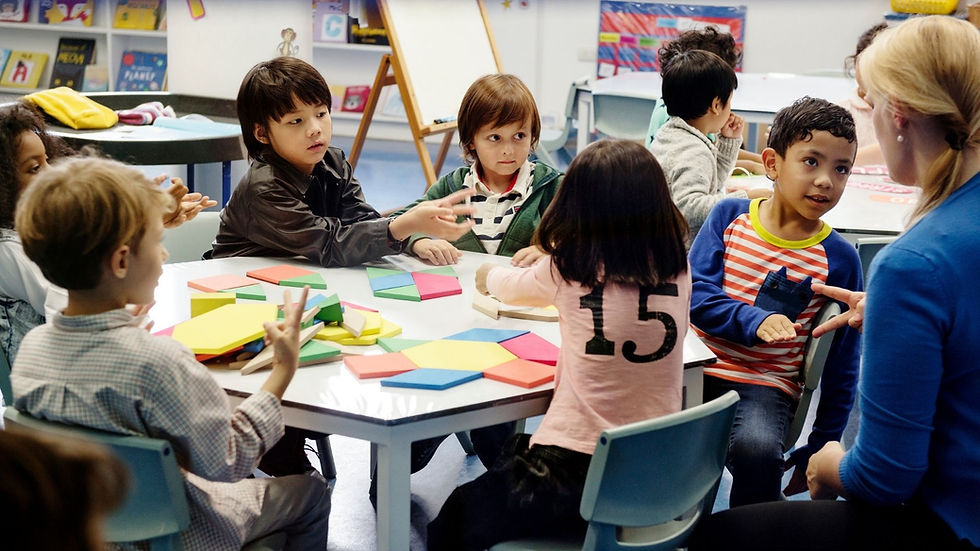
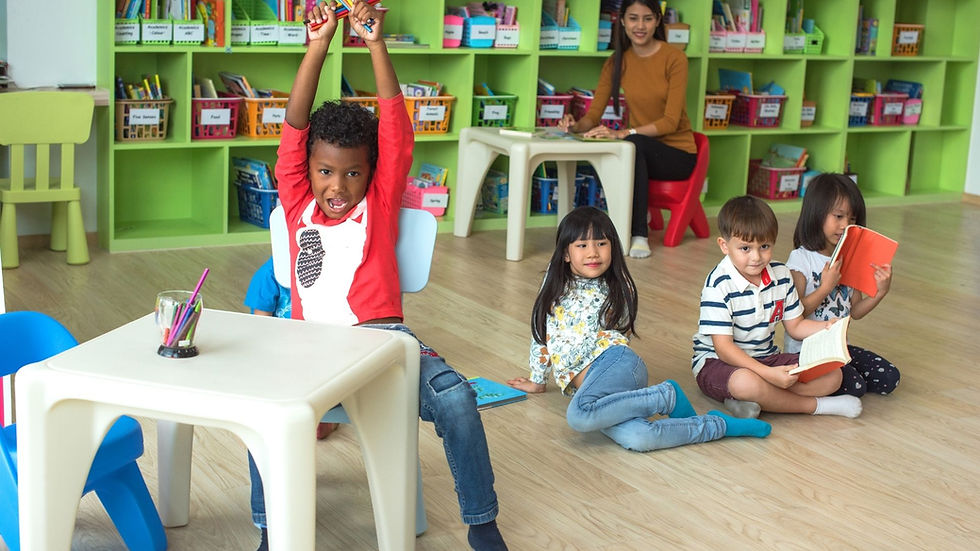
A micro school is a small, independent learning space typically made up of fewer than 30 students, offering a blend of personalized instruction and flexible academic pacing. These schools often resemble homeschool pods or private micro-learning spaces, but with structured curricula and qualified educators. The micro school model emphasizes close-knit learning environments, often housed outside traditional school buildings.
In Miami, a landmark policy shift (HB 1285) in Florida has created more flexibility for establishing micro schools in nontraditional venues like libraries, churches, and community theaters. This shift has lowered the barrier to entry for educators and parents looking to open or join micro schools in Miami communities. As a result, Miami is seeing a rise in alternative education models that meet local demand for smaller, adaptable schooling options.
Let’s take a closer look at how these alternative schools are structured and what makes them unique.
Who Microschools Are Best Suited For?

Microschools meet the needs of families who want personalized learning without sacrificing structure or community. These settings support students who don’t thrive in traditional classrooms due to pace, environment, or specific learning needs.
Here are the types of families most likely to benefit from enrolling in a microschool:
Working Parents with Limited Flexibility: Daily structure, certified facilitators, and consistent scheduling make microschools easier to manage than full-time homeschooling.
Parents of Gifted or Advanced Learners: Curriculum pacing adjusts based on mastery rather than grade level, so advanced students stay challenged without pressure.
Families managing Learning Differences or IEPs: Smaller class sizes allow for real-time support, tailored instruction, and consistent communication with educators.
Parents Seeking a Safer, More Personalized Environment: If school safety or classroom size is a concern, microschools offer calm, supportive spaces with individual attention.
Families Disengaged from the Public School Experience: Microschools provide meaningful alternatives when standardized instruction and testing don't reflect your child's strengths or interests.
However, what makes them especially appealing in a city like Miami is the way they address local challenges and preferences. Let’s take a closer look at the driving forces behind the growing popularity of microschools in Miami.
Why Micro Schools Are Gaining Ground in Miami?
Micro schools in Miami are growing because they address deep frustrations with overcrowded classrooms, rigid learning models, and limited individual attention. These schools offer adaptive environments that respond to what students need and what parents expect from a more modern education model. Here's what’s fueling the shift:
Small class sizes allow educators to focus on each child's pace and strengths, resulting in meaningful academic engagement and emotional support. Median class sizes in Miami’s micro schools are about 16, and they're capped at around 22 to preserve this attention. Instruction becomes more personal, which appeals to families seeking individualized learning without sacrificing structure.
Tuition support from Florida’s Step Up for Students program reduces financial pressure for many families in the Miami-Dade area. Through these education vouchers, averaging around $8,000 per student, parents can explore private or faith-based micro school options without overextending their budgets. The funding makes micro-schooling a realistic alternative to underperforming public school zones.
Community-led micro schools support equity and cultural responsiveness, particularly in historically underserved areas like Liberty City. These schools help reinforce cultural identity while improving outcomes for Black students through relatable curriculum and local leadership. Educators from the community build trust and ensure learning connects with lived experience, something traditional systems often lack.
As the demand for these options rises, it’s important to understand the role that state policies and funding play in shaping this shift. Let's look at what parents need to know about the state regulations and how they impact microschool opportunities.
State Regulations and Accreditation for Micro Schools in Miami

Florida has established legal pathways for micro schools to operate as private schools, offering you peace of mind about legitimacy. These regulations ensure that micro schools can provide flexible learning without sacrificing accountability. To help make informed decisions, here are the essentials every parent needs to understand:
Registered and Recognized by the State
All micro schools must register with the Florida Department of Education as private institutions. That process ensures your child’s school is officially recognized and operates within state guidelines. Documentation is public and searchable through the FLDOE database.
No Mandatory Accreditation
Florida does not require micro schools to be accredited to operate legally. While that may raise concerns at first glance, many excellent schools intentionally forgo accreditation to preserve flexibility. What matters most is the curriculum quality, student outcomes, and transparency of the learning model.
No Teacher Certification Requirement
Educators in micro schools are not required to hold Florida teaching licenses. That doesn’t mean lower standards; it means schools can hire mentors with real-world experience or alternative teaching credentials. Be sure to ask about your child’s instructors and how their qualifications support learning.
Providers like The School House Anywhere (TSHA) help you easily manage Florida’s private-school laws, including registration, zoning, and compliance details. TSHA also offers transparent curriculum guidance and educator training so families can confidently choose an accredited, state-recognized microschool or homeschool model.
Up next, let’s dive into what you can expect when securing a spot in a micro school, from application deadlines to common waitlist realities.
Enrollment Process and Waitlist Realities
Micro schools in Miami often offer limited seats and personalized instruction, so enrollment requires early planning and clear steps. Understanding how the process works helps you avoid last-minute stress and secure a spot that fits your child’s needs.
Here’s what to expect and when to start:
Initial Tour and Family Consultation
The first step usually involves a school tour and conversation with the leadership team. This helps align your goals with the school’s mission and determine fit. Most schools offer scheduled sessions during fall and early winter for the following year.
Application and Supporting Documents
Expect to submit a detailed application that includes your child’s academic history, learning style preferences, and family background. Some micro schools in Miami may request recommendations or prior assessments depending on age and program type. Submission deadlines often close months ahead of the school year.
Student Interview or Learning Assessment
Many schools require a basic interview or informal assessment to understand your child’s needs and group placement. This isn’t about ranking, it’s about setting your child up for success in a small cohort. Be prepared to attend this session with your child.
Waitlists Are Common—Start Early
Due to small class sizes, it’s common for micro schools in Miami to fill up early and maintain a waitlist. If you're considering a spot, starting inquiries by October can improve your chances. Families working with The School House Anywhere often benefit from early planning tools and enrollment insights that reduce uncertainty.
As we’ve outlined how to secure a place for your child, let’s examine the advantages that microschools offer and why many families are finding them to be a better fit for their children’s educational journey.
Benefits of Micro Schools

Micro schools provide a flexible, student-centered alternative to traditional education that responds to real academic and social gaps. These learning environments prioritize autonomy, adaptability, and parent involvement, especially in fast-changing urban settings like Miami. Below are the core benefits families can expect:
Personalized Learning at Scale
Individualized instruction allows students to move at a pace that suits their strengths, challenges, and learning styles. Teachers in micro schools adapt content quickly based on progress without waiting for district-wide changes. That flexibility leads to stronger mastery and increased confidence in subjects where students may have previously struggled.
Stronger Student-Teacher Relationships
Consistent interaction between educators and small student groups builds trust and emotional security in the classroom. That foundation reduces anxiety, supports mental health, and increases participation. Teachers also have more context to identify behavioral shifts early and respond with care.
Higher Parent Involvement
Smaller school communities naturally encourage closer relationships between families, educators, and school leaders. That access improves communication around student needs and accelerates the resolution of academic or personal concerns. Parents feel more empowered to co-shape their child’s education without bureaucratic barriers.
Faster Adaptation to Student Needs
Without state-level mandates slowing down implementation, micro schools can test and apply new teaching methods quickly. This speed benefits students facing unique challenges such as ADHD, dyslexia, or social-emotional gaps. Learning plans adjust in real time, without months of approvals or red tape.
Community-Rooted Curriculum
Curriculum design often reflects the local context, culture, and values of the neighborhood it serves. That relevance strengthens engagement and helps students see themselves in their learning materials. Cultural responsiveness becomes a norm, not an afterthought.
But as with anything, there are challenges to consider. Let’s take a closer look at the hurdles some families may encounter with this educational model.
Challenges and Considerations

Micro schools offer flexibility, but the model brings certain challenges that require careful planning and long-term thinking. Understanding the risks involved helps families make informed decisions when considering this educational format. Below are key considerations to weigh:
Regulatory Uncertainty in Florida
Regulations around micro schools in Florida are still evolving and may shift with policy or administrative changes. This creates uncertainty around zoning, instructional requirements, or curriculum expectations. Without strong legal clarity, families and founders risk compliance gaps that could disrupt continuity.
Inconsistent Curriculum Quality
Lack of standardization across micro school programs means curriculum quality can vary significantly between providers. Some schools use evidence-based frameworks, while others rely on loosely structured learning plans. That inconsistency makes academic outcomes harder to predict or benchmark against traditional public systems.
Limited Access to Support Services
Smaller institutions may not have the funding or staffing to offer full-time counselors, special education resources, or enrichment programs. That gap can impact students who need individualized support beyond classroom instruction. For families with specific needs, this becomes a major constraint.
Higher Financial Commitment
Most micro schools in Miami operate independently and are not publicly funded, which places cost responsibility on families. While tuition is often lower than that of private schools, it still adds a recurring burden for many households. Affordability remains a major concern for families considering the switch.
Socialization and Peer Diversity
Tight-knit cohorts can foster deep bonds, but also limit broader peer exposure and real-world social learning. That environment may feel isolating for some students, especially those used to large, diverse classrooms. Parents must evaluate if their child will thrive in a smaller, more homogeneous setting.
Families often use The School House Anywhere (TSHA) as a bridge through these complexities, owing to its K–6 American Emergent Curriculum, live educator support, and legal guidance. TSHA’s resources help you build compliant microschools or homeschooling pods with confidence and clarity.
Final Thoughts
Finding the right educational setting in Miami can feel overwhelming, especially when traditional options fall short of your child's needs. Microschools offer a practical, student-centered solution that blends flexibility, academic depth, and emotional well-being. With increasing demand and a growing number of tailored models, your decision hinges on timing, fit, and alignment with long-term goals.
The School House Anywhere connects families with quality microschool models, offering expert insights and personalized advice to simplify your choice. Whether managing special needs, advanced learners, or scheduling challenges, TSHA helps you move forward with clarity and confidence.
A proven American Emergent Curriculum designed for flexibility and deep, personalized learning
Guided training films that walk you through every stage, from planning to launch
Live 1:1 support with education experts to help you troubleshoot, adapt, and grow
Self-paced planning tools to help you enroll when you’re ready, on your own timeline
Affordable licensing options that give you long-term structure without losing your autonomy
Interested in starting your micro school journey? Register with The School House Anywhere to get guidance, resources, and legal clarity, all in one place.
Frequently Asked Questions (FAQs)
What ages are eligible for micro‑schools in Miami?
Typically Pre‑K through grade 6 (some programs support up to grade 7 or 8). TSHA’s AEC is Pre‑K to 6th only.
Are microschools accredited?
Only about 16% of microschools are accredited; most operate under homeschool regulations or private‑school laws.
How much does tuition typically cost?
Most Miami microschools charge $6,000–$8,000 annually, though costs vary depending on program and offerings.
Can families use Florida vouchers or ESA funds?
Yes—many microschools accept Step Up for Students vouchers, which average about $8,000 per student.
How do TSHA’s live supports work?
TSHA offers weekly live online sessions with founders and educators, plus live office hours and a supportive online network for ongoing guidance.

Comments