Home Schooling in Michigan: Legal Requirements, Programs, and Alternatives

More than 60,000 students in Michigan are homeschooled, and that number continues to rise as families seek alternatives to crowded classrooms, rigid pacing, and one-size-fits-all instruction.
Michigan is widely considered homeschool-friendly, but that freedom can feel overwhelming at first. Parents often worry about legal requirements, curriculum choices, and whether they’re doing “enough” to educate their children well.
This guide explains how homeschooling in Michigan works, what the law actually requires, the program options families use in practice, and how to choose an approach that fits your child while keeping you confident and compliant.
Key Takeaways
Michigan allows homeschooling with no registration, testing, or routine reporting.
Parents choose curriculum, schedule, and teaching style.
Required subjects are broad, not curriculum-specific.
Families may homeschool independently or with co-ops, pods, or microschools.
Parents remain legally responsible for instruction in good faith.
What is Homeschooling in Michigan?
Homeschooling in Michigan means parents take full responsibility for directing their child’s education, rather than enrolling them in a public or private school.
Instruction often takes place at home but may also include community activities, field trips, co-ops, or small learning groups.
Michigan treats homeschooling as nonpublic education rather than as part of the public school system. This distinction gives families broad authority over how learning happens.
In practical terms, homeschooling in Michigan allows parents to:
Choose what their child learns
Decide how subjects are taught
Set their own pace and schedule
Select or design a curriculum without state approval.
There is no single “Michigan homeschool program.” Families homeschool in many different ways, from structured textbook instruction to project-based or experiential learning.
The defining feature is simple: parents, not the state, make educational decisions.
Michigan Homeschool Laws and Legal Requirements

Michigan is considered one of the most flexible states for homeschooling, but families still operate within a clear legal framework.
Is Homeschooling Legal in Michigan?
Yes. Homeschooling is entirely legal in Michigan.
Most families homeschool under Michigan’s nonpublic school exemption, which allows parents to operate their homes as nonpublic schools.
Under this option:
Parents do not need approval from the state
Parents do not need to register with the Michigan Department of Education
Parents do not need teaching credentials
This is the most common and least restrictive path.
Some families choose to homeschool under an umbrella or private school, but this is optional and not required by law.
Required Subjects Under Michigan Law
Michigan law does require instruction in specific subject areas. However, the law does not specify curriculum, materials, or teaching methods.
Required subjects include:
Reading
Writing
Mathematics
Science
History
Civics
Literature
Parents may teach these subjects in any format they choose, such as:
Integrated or thematic learning
Hands-on projects
Discussions and real-world applications
Traditional textbooks
There is no requirement that subjects be taught separately or in a specific order.
Attendance, Hours, and School Days
Michigan does not mandate:
A minimum number of school days
A minimum number of instructional hours
A specific daily schedule
Families set their own learning rhythm.
That said, many parents voluntarily align with traditional school patterns for consistency or personal comfort, but this is a choice, not a legal obligation.
Testing, Evaluations, and Reporting
Michigan does not require homeschoolers to:
Participate in standardized testing
Submit annual evaluations
Turn in portfolios or progress reports
Report grades to the state
There is no routine oversight unless concerns arise about educational neglect.
Some families keep records for personal use, college planning, or participation in an umbrella school, but the state does not mandate documentation.
Teacher Qualifications
Parents do not need:
A teaching license
A college degree
Prior teaching experience
Michigan law recognizes parents as qualified to educate their own children.
Notification and Registration
For most homeschoolers:
No notification to the school district is required
No registration with the state is required
Notification typically occurs only when a child is withdrawn from public school to avoid truancy issues.
Parental Responsibility
While Michigan offers exceptional freedom, one principle is clear:
Parents are legally responsible for providing instruction in good faith.
This means education should be intentional, ongoing, and aligned with the required subject areas.
How to Start Home Schooling in Michigan

Starting homeschooling in Michigan is straightforward once you understand that the state does not require formal approval or registration. The process is more about preparation and clarity than paperwork.
Step 1: Understand Your Legal Path
Most Michigan families homeschool under the nonpublic school exemption, which allows parents to operate their homes as private, nonpublic schools.
Under this path:
You do not register with the state
You do not report to your local school district
You do not need an umbrella school
Some families choose to enroll in a private or umbrella school for structure or recordkeeping, but this is optional, not required.
Step 2: Withdraw Your Child From Public School (If Applicable)
If your child is currently enrolled in a public school, you should formally withdraw them to avoid truancy issues.
Best practice:
Send a written withdrawal notice to the school
State that your child will be homeschooled under Michigan’s nonpublic school exemption
Keep a copy for your records
Michigan law does not require you to submit curriculum details or schedules when withdrawing.
TSHA’s American Emergent Curriculum offers a hands-on, experiential curriculum for Pre-K through 6th grade, emphasizing storytelling, outdoor learning, and critical thinking.
Step 3: Choose an Educational Approach
Michigan does not approve or reject curricula. Parents are free to choose how learning happens as long as the required subjects are covered.
Common approaches include:
Parent-led structured curriculum
Literature-based or project-based learning
Hands-on, experiential education
Mixed-age or family-style learning
The key requirement is intentional instruction in the required subject areas, not a specific teaching method.
Step 4: Select or Design Your Curriculum
Once you choose an approach, select materials that help you cover:
Reading and writing
Mathematics
Science
History and civics
Literature
You may use:
One comprehensive curriculum
Multiple subject-specific resources
Your own custom lesson plans
Michigan does not review or approve curriculum choices.
Step 5: Establish a Learning Rhythm
Michigan does not mandate:
Daily schedules
Weekly hour requirements
Annual school day minimums
However, most families benefit from setting a consistent rhythm that fits their household.
This might look like:
Short daily lessons with hands-on activities
Thematic learning blocks
Seasonal or project-based pacing
Flexibility is allowed, but consistency helps learning stick.
Step 6: Decide How You Will Track Progress
While Michigan does not require documentation, many parents choose to keep basic records for:
Personal reassurance
High school planning
College or career preparation
Optional records may include:
Reading lists
Samples of student work
Project summaries
Informal progress notes
These records stay with the family and are not submitted to the state.
Step 7: Connect With Community
Homeschooling does not mean learning alone.
Michigan families often connect through:
Homeschool co-ops
Learning pods or microschools
Library programs and community classes
Field trips and extracurricular groups
Participation is optional, but it can support social learning and parent confidence.
Step 8: Revisit and Adjust as You Go
Michigan law allows families to:
Change curriculum mid-year
Adjust schedules
Shift teaching styles
Homeschooling is not about locking into a single plan. It’s about responding to your child’s growth and needs over time.
Homeschooling Programs in Michigan: What Families Can Choose

Michigan does not license or regulate homeschool programs. Families choose programs that fit their needs as long as the required subjects are taught.
1. Parent-Led Curriculum Programs
These programs provide structured materials, but parents remain the primary instructors and decision-makers.
What they offer:
Lesson plans and pacing guides
Textbooks or digital resources
Optional assessments or quizzes
Common examples families explore:
Oak Meadow
BookShark
Sonlight
Moving Beyond the Page
Best for:Parents who want guidance and structure but still want complete control over instruction and schedule.
TSHA’s Transparent Classroom tool makes portfolio management effortless. With log attendance and upload work samples, you can track progress in all subjects from any device.
2. Online Homeschool Programs (Parent-Directed)
These programs deliver content online, but parents are still legally responsible for homeschooling.
What they offer:
Online lessons and assignments
Automated grading for some subjects
Parent dashboards
Important distinction:These are not the same as public virtual schools. Parents still operate under Michigan homeschool law, not public school oversight.
Common examples:
Time4Learning
Miacademy
Power Homeschool
Tradeoff to consider:These programs often increase screen time and may require parental supplementation for hands-on learning.
3. Literature-Based and Project-Based Programs
These programs focus on reading, discussion, projects, and real-world learning rather than worksheets or screens.
What they offer:
Integrated subject learning
Emphasis on critical thinking and exploration
Flexibility across ages
Common examples:
Blossom and Root
Build Your Library
Torchlight
Best for:Families who value hands-on, curiosity-driven learning and flexibility.
4. Eclectic Homeschooling (Mix-and-Match)
Many Michigan families do not use a single program. Instead, they combine multiple resources.
Typical setup:
One math program
A reading or literature curriculum
Science through projects or kits
History through books and discussions
This approach works well because Michigan law allows families to customize without approval.
Top Alternatives to Traditional Homeschooling in Michigan

Not every family wants to homeschool entirely on their own. Michigan’s flexible laws allow parents to choose alternatives that still keep them legally in control while adding structure, community, or support.
Microschools and Learning Pods
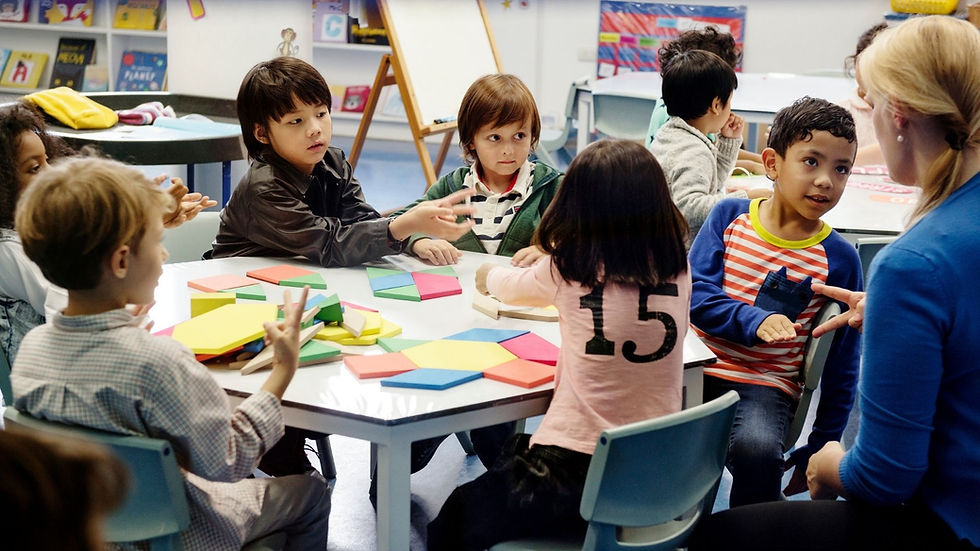
Microschools are small, in-person learning groups, typically 5–15 students, guided by a parent or hired educator.
How this works in Michigan:
Families still homeschool under Michigan law
Parents remain legally responsible for instruction
Learning may happen in a home, community space, or shared facility
Why families choose microschools:
Social learning without large classrooms
Mixed-age collaboration
Shared teaching responsibilities
Microschools work especially well for families who want community but not full-time school enrollment.
Homeschool Co-ops
Co-ops are parent-run groups that meet weekly or monthly for shared classes, enrichment, or group projects.
Common co-op offerings:
Science labs
Art and music
Group discussions
Field trips
Co-ops supplement homeschooling rather than replace it. Parents still manage core academics at home.
Hybrid and Part-Time Programs
Some Michigan families use hybrid models that combine home learning with part-time in-person instruction.
Important distinction:As long as parents remain responsible for education and required subjects, these models still qualify as homeschooling.
Hybrid options appeal to families who want:
Academic support without full-time enrollment
Flexible scheduling
Reduced parent burnout
How TSHA Makes Homeschooling Easier in Michigan
Michigan gives families freedom, but freedom also means planning, organizing, and staying consistent for parents.
That’s where The School House Anywhere (TSHA) fits.
Clarifying an Important Distinction
American Emergent Curriculum (AEC) is the curriculum framework
TSHA is the program that provides resources, structure, and support built around AEC
TSHA does not replace homeschooling—it supports parents who are homeschooling.
Why Michigan Families Use TSHA
TSHA aligns well with Michigan’s homeschool laws because it offers structure without state dependency.

A developmentally aligned Pre-K–6 curriculum (AEC)
6-week thematic learning sessions
Hands-on, non-screen learning for children
Planning tools and progress tracking for parents
Live support for parents and educators
What TSHA does not do:
It does not enroll children as students
It does not replace parental responsibility
It does not require screen-based instruction for kids
Parents stay legally in charge, while TSHA reduces planning overwhelm.
Conclusion
Homeschooling in Michigan gives families uncommon freedom. You can choose the pace, structure, and learning approach that best fit your child, without rigid oversight or one-size-fits-all requirements.
Whether you homeschool independently, join a co-op, explore microschools, or use supportive programs, the key is to build an education that remains flexible, sustainable, and responsive over time.
For families looking for clarity without losing control, The School House Anywhere offers a way to reduce planning stress while keeping learning hands-on and parent-led through the American Emergent Curriculum.
Ready to start your homeschooling journey in Michigan? Ready to start your blended learning journey? Register today with TSHA as an educator or a parent!
FAQs
1. Is homeschooling legal in Michigan?
Yes. Michigan is one of the most homeschool-friendly states. Families may homeschool without registering, testing, or reporting to the state.
2. Do I need to notify the school district?
No. Notification is only recommended when withdrawing a child from public school to avoid truancy issues.
3. Are there required hours or school days?
No. Michigan does not mandate instructional hours, days, or attendance tracking.
4. Do homeschoolers have to take standardized tests?
No. Testing is not required for homeschoolers in Michigan.
5. Can homeschoolers participate in group learning?
Yes. Co-ops, pods, and microschools are allowed as long as parents remain responsible for education.


Comments