Teaching Methods and Teaching Techniques: A Complete Guide for 2026
Updated: Jun 25

Many educators use the terms teaching methods and teaching techniques interchangeably, but they serve very different purposes in the learning process. A teaching method is the overall framework that shapes how learning happens, while a teaching technique is the specific action used to deliver instruction within that framework.
Understanding the difference helps educators design lessons with greater clarity, consistency, and purpose. Understanding these distinctions helps educators create more intentional lessons, choose activities that support learning goals, and build a more effective learning experience for students.
This guide explains the key distinctions, explores common examples, and shows how to choose the right instructional approaches for your learners.
TL;DR
Teaching approaches, methods, and techniques serve different roles, approaches define educational philosophy, methods provide the instructional framework, and techniques are the practical classroom actions.
The four primary teaching methods are teacher-centered, learner-centered, content-focused, and interactive learning, each suited to different goals and subjects.
Effective teaching techniques such as scaffolding, modeling, Socratic questioning, gamification, and mnemonics help improve understanding and engagement.
Methods and techniques work best when aligned, ensuring classroom activities directly support learning objectives and instructional goals.
Choosing the right combination depends on learning objectives, student needs, subject matter, teacher strengths, and available resources.
Understanding the Pedagogical Hierarchy
To teach effectively in any setting, you need to understand the difference between approaches, methods, and techniques. Confusing methods with techniques can lead to activities that feel engaging but do not support the lesson’s goals.
Approach (Why): The educational philosophy guiding instruction, such as Montessori or Classical education.
Method (What): The overall instructional framework used to achieve learning objectives, such as Inquiry-Based Learning.
Technique (How): The specific strategies used during instruction, such as Socratic questioning or Think-Pair-Share.
Level | Scale | Question Answered | Example |
Approach | Philosophical | Why do we teach? | Children learn best through discovery |
Method | Framework | What is the overall plan? | Inquiry-Based Learning |
Technique | Practical | How is it implemented? | Socratic Questioning |
Understanding these distinctions helps educators align daily activities with broader learning goals and avoid instructional drift.
What Is a Teaching Method?

A teaching method is the macro-level framework that determines how information is organized and delivered. It is the overall structure guiding instruction, classroom interaction, and learning outcomes. Unlike a technique, which is a short-term activity or tool, a method shapes the entire lesson or course.
Choosing a method influences:
Who leads the learning process
How students engage with content
How success is measured
The 4 Primary Teaching Methods
1. Teacher-Centered (Direct Instruction)
The educator is the primary source of knowledge, focusing on clear and efficient instruction.
Best for: Foundational skills, complex concepts, and structured lessons.
2. Learner-Centered (Inquiry-Based)
Students explore questions and discover answers independently while the teacher acts as a facilitator.
Best for: Critical thinking, research skills, and curiosity-driven learning.
3. Content-Focused (Subject Mastery)
The focus is on mastering the subject matter before progressing to new material.
Best for: Mathematics, foreign languages, and technical subjects.
4. Interactive/Participative (Collaborative Learning)
Learning happens through discussion, teamwork, and peer interaction.
Best for: Social studies, literature, communication, and soft skills.
What Is a Teaching Technique?

A teaching technique is a specific instructional action used to support learning in real time.
While a teaching method provides the overall framework, techniques are the practical tools educators use to explain concepts, maintain engagement, and improve understanding. They are short-term, highly focused strategies that can be applied within any teaching method.
Five Effective Teaching Techniques
1. Scaffolding
Providing temporary support while students learn a new skill, then gradually removing that support as confidence grows.
Example: Giving students a fill-in-the-blank essay outline before asking them to write independently.
Why it works: Reduces cognitive overload and builds skills step by step.
2. Modeling
The teacher demonstrates a task, practices it with students, and then allows students to complete it independently.
Example: Solving a math problem while explaining each step aloud.
Why it works: Makes thought processes visible and easier to replicate.
3. Socratic Questioning
Using targeted questions to guide students toward discovering answers on their own.
Example: Asking, “What do you notice about all three sides?” instead of identifying a triangle type directly.
Why it works: Encourages active thinking and deeper understanding.
4. Gamification
Applying game elements such as points, badges, or challenges to learning activities.
Example: Rewarding students for completing a set of math problems accurately within a time limit.
Why it works: Increases motivation and engagement.
5. Mnemonics
Using patterns, phrases, or associations to improve memory.
Example: PEMDAS for remembering the order of operations in math.
Why it works: Helps students store and recall information more easily.
Teaching techniques are flexible and can be used within any teaching method. For example, Socratic questioning can support both inquiry-based learning and direct instruction.
Comparison Table: Method vs. Strategy vs. Technique
To truly optimize your instructional design, you must understand where the Teaching Strategy fits into the hierarchy. While the previous sections focused on the "What" (Method) and the "How" (Technique), the Strategy is the "Plan" that bridges the two.
Concept | Definition | Question Answered | Example |
Method | The overall framework or structure that guides instruction. | What is the overall system? | Inquiry-Based Learning |
Strategy | A planned approach used to achieve a specific learning objective. | What is our plan for this lesson? | Scaffolding |
Technique | A specific action or instructional tool used during teaching. | How do I carry out this activity right now? | Think-Pair-Share |
How Teaching Methods and Techniques Work Together

Teaching methods and techniques are closely connected parts of instruction. Methods provide the overall approach, while techniques are the specific actions used during lessons.
1. Methods as the Foundation
The teaching method provides the overall framework for instruction and shapes the learning environment in the classroom.
For example, if you choose a student-centered method like inquiry-based learning, your classroom will likely be more interactive and exploratory. Students will take the lead in their learning.
2. Techniques as the Building Blocks
Within that chosen method, you'll use a variety of teaching techniques to deliver specific lessons and activities. The techniques are the specific tools you use to engage students, present information, and assess learning.
For example, within an inquiry-based learning approach, you might use questioning techniques to guide students' exploration. Discussion techniques can help them share their ideas, while project-based learning techniques allow them to apply their knowledge.
3. Harmony Between Methods and Techniques
The key is to choose techniques that align with your chosen teaching method and your learning objectives. For example, if you're using a direct instruction method, you might use techniques like lecturing, demonstrating, and providing clear explanations.
If you're using a project-based learning method, you might use techniques like brainstorming, group work, and presentations.
4. Flexibility and Adaptation
It's also important to be flexible and adapt your techniques as needed. Sometimes, a particular technique might not be working well with a certain group of students or for a particular lesson.
In those cases, don't be afraid to try something different! You can also mix and match techniques from different methods to create a unique and engaging learning experience for your students.
Ready to Build a Different Kind of School?
The School House Anywhere provides the tools and support to create an engaging learning environment, including:
American Emergent Curriculum (AEC): Hands-on lessons that spark curiosity and active learning.
Training and Support: Resources, guidance, and a community of educators.
Flexible Scheduling: Options for full-day or half-day programs.
Parent Communication Tools: Resources to keep families informed and involved.
Visit The School House Anywhere to start building a school that inspires students and strengthens your community.
How to Choose the Right Methods and Techniques

Selecting effective teaching methods and techniques is key to building a strong learning environment in your microschool. With so many options to consider, finding the best fit for your students and curriculum can be a challenge.
So, how can you make informed decisions about the best teaching methods and techniques for your microschool?
Factors to Consider
1. Learning Objectives: What do you want your students to learn? Different teaching methods and techniques are better suited for different learning objectives.
For example, if you want your students to memorize facts, direct instruction with drills and practice might be effective. But if you want them to develop critical thinking skills, you might choose inquiry-based learning with open-ended discussions and debates.
2. Student Needs: Every student is unique, and they all learn in different ways. Consider the different learning styles, interests, and needs of your students when choosing your methods and techniques. Some students might learn best through hands-on activities, while others might prefer visual aids or group discussions.
3. Teacher Strengths: What are your strengths as a teacher? What teaching methods and techniques are you most comfortable and confident with? Choose approaches that play to your strengths and allow you to create a learning environment where you and your students can thrive.
4. Subject Matter: The subject you're teaching can also influence your choice of methods and techniques. Some subjects, like math, might lend themselves well to direct instruction and practice. Others, like social studies, might be better suited for project-based learning or discussions.
5. Available Resources: Consider the resources you have available, such as technology, materials, and time. Some teaching methods and techniques require more resources than others. For example, if you have limited access to technology, you might choose methods that don't rely heavily on computers or the internet.
Tips for Choosing
1. Align techniques with your chosen method: Make sure the techniques you choose fit well with your overall teaching method. For example, if you're using a student-centered approach, you'll want to choose techniques that encourage student participation and collaboration.
2. Use a variety of techniques: Keep learning engaging by using a variety of techniques. This will help prevent boredom and cater to different learning styles. You might use a mix of questioning techniques, discussion techniques, games, and hands-on activities to keep students interested and motivated.
3. Be flexible and adapt: Be willing to adjust your approach as needed. If a particular method or technique isn't working, try something different. You can also adapt your approach based on student feedback and your own observations.
By carefully considering these factors and being willing to experiment, you can find the teaching methods and techniques that work best for you and your students.
Ready to Apply Teaching Methods and Techniques For Your Children?
Teaching methods provide the overall structure for instruction, while teaching techniques are the specific actions used during lessons. Understanding the difference helps educators plan clearer lessons and create engaging learning environments. When both are aligned, students stay involved and grasp concepts more effectively.
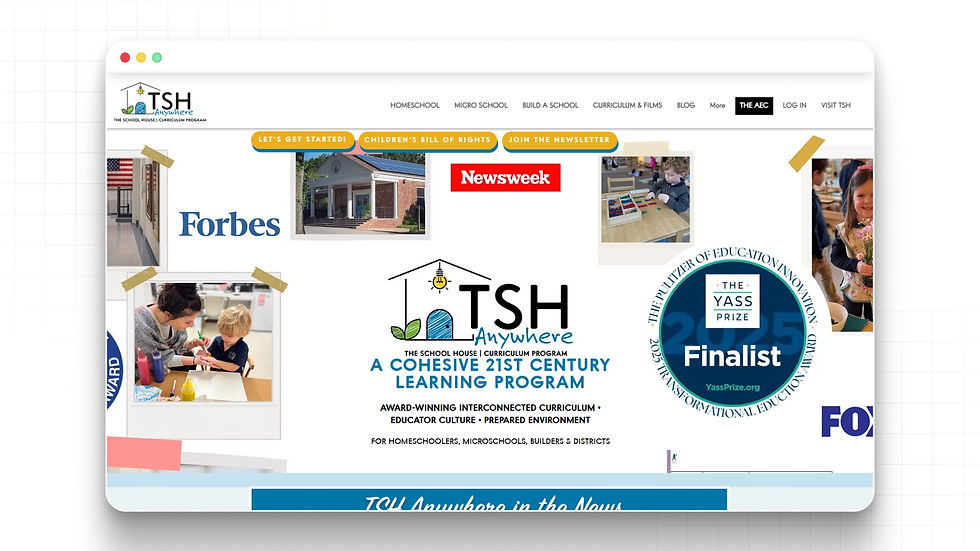
The School House Anywhere (TSHA) helps homeschooling parents and microschool educators apply these ideas through its American Emergent Curriculum (AEC).
The program combines inquiry-based learning, structured sessions, and hands-on activities to support meaningful learning experiences. TSHA also provides practical tools that help educators organize lessons and track student progress.
What TSHA Offers
American Emergent Curriculum (AEC): A hands-on curriculum designed for inquiry-based learning
Structured 6-week sessions: Clear teaching frameworks that help educators organize lessons
Printable materials and worksheets: Ready-to-use resources for daily instruction
Progress and portfolio tools: Track student development and learning outcomes
Live educator support and community: Guidance and collaboration with other educators
Join The School House Anywhere Today and explore a practical way to build engaging learning environments.Start creating meaningful learning experiences for your homeschool and microschool community.
FAQs
1. Why do educators often confuse teaching methods and teaching techniques?
Teaching methods and techniques are closely connected, which makes them easy to confuse. Methods describe the overall instructional approach, while techniques are the specific actions used during lessons. Since both appear together in classroom practice, the distinction can sometimes be overlooked.
2. Can the same teaching technique be used across different teaching methods?
Yes, a single teaching technique can work within multiple teaching methods. For example, questioning or group discussions can be used in inquiry-based learning, project-based learning, or even direct instruction. The technique stays the same, but the overall teaching method changes the context.
3. How do teaching techniques influence student engagement?
Teaching techniques directly affect how students participate during lessons. Interactive techniques such as think-pair-share, debates, or hands-on activities encourage students to actively process ideas rather than passively receive information. This often improves attention and understanding.
4. Do experienced teachers change their teaching techniques often?
Many experienced educators adjust their techniques depending on the lesson, subject, and student needs. While the overall teaching method may remain consistent, teachers often vary techniques to maintain engagement and support different learning styles.
5. How can educators evaluate whether their teaching techniques are effective?
Teachers often review student participation, understanding, and assessment results to evaluate techniques. Classroom observations, student feedback, and performance on assignments can also provide insights into whether a particular technique supports learning effectively.



Comments