Delaware Alternative Education Options for Families

Have you ever felt that school just isn’t quite working for your child, even though they are capable, curious, and eager to learn?
For many families in Delaware, the challenge is not a lack of effort or ability. It is a growing sense that the traditional classroom does not always match how children actually learn. Some children need to move, build, and explore. Others need more time to grasp concepts or a calmer pace than a standard school day allows.
This mismatch often creates confusion for parents. You may start questioning whether your child is disengaged or whether the environment itself is part of the problem. Is there an educational path that offers flexibility without sacrificing structure? Can learning be both accountable and responsive to a child’s individual needs?
Alternative education gives families different ways to approach learning without abandoning standards or responsibility. These paths focus on how children learn best and allow education to adapt rather than forcing children to fit a single model.
In this blog, we’ll look at what alternative education means in Delaware, why more families are exploring it, and the options available, including homeschooling, microschools, and hybrid learning models. By the end, you’ll have a clearer picture of how these approaches work and how to decide which one may suit your child and family.
Key Takeaways
Alternative education in Delaware offers intentional, structured learning paths that adapt to how children learn, rather than forcing them into a fixed classroom model.
Families explore alternative education not due to lack of standards, but because of mismatches in pace, learning style, environment, or emotional needs within traditional schooling.
Common alternative education options in Delaware include homeschooling, microschools or learning pods, charter or alternative public programs, and online or hybrid models, each with different levels of structure and parent involvement.
Compared to traditional schools, alternative education emphasizes mastery over speed, hands-on learning, flexible routines, and ongoing progress tracking instead of heavy reliance on standardized testing.
Choosing the right path requires understanding how your child learns best, how much structure they need, and what your family can realistically support long-term.
Accountability in alternative education is maintained through documentation, observation, portfolios, and consistent progress tracking, helping families meet Delaware’s legal requirements without over-testing.
What Is Alternative Education?
Alternative education is a deliberate approach to learning that is designed around how children develop, rather than around a fixed institutional structure. It is not a reaction to failure or a way to avoid responsibility. At its core, alternative education is intentional and structured.
Instead of following a one-size-fits-all model, alternative education focuses on creating learning environments that adapt to individual needs while maintaining clear expectations.
Key characteristics of alternative education include:
Intentional structure: Lessons are planned, goals are defined, and progress is actively monitored rather than left to chance.
Flexible application: Structure exists, but it allows for variation in pace, learning style, and developmental readiness.
Depth over speed: Children are given time to fully understand concepts before moving forward, reducing gaps caused by rushed instruction.
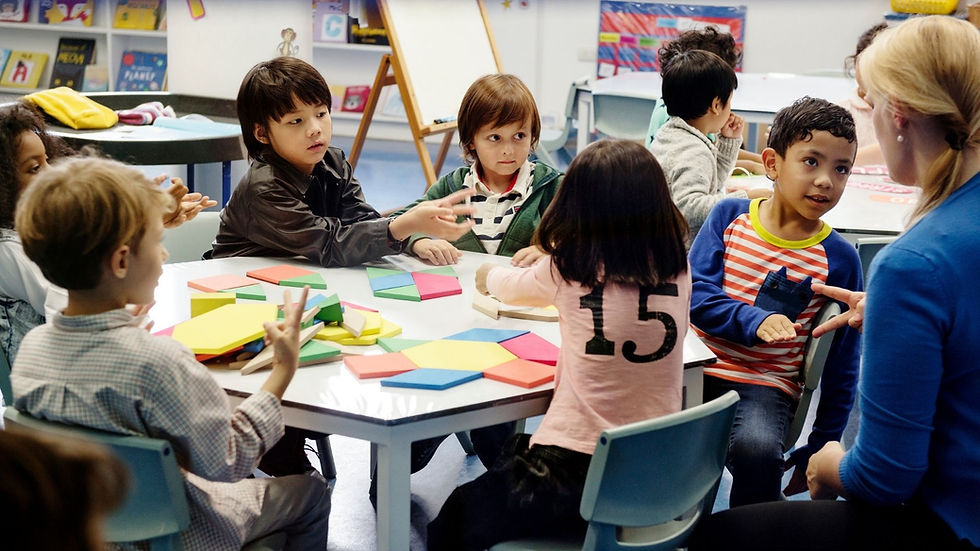
Hands-on, real-world learning: Instruction often includes discussion, projects, and experiential activities that help children understand why learning matters, not just what to memorize.
Ongoing accountability: Progress is tracked through observation, documentation, and mastery checks rather than relying solely on grades or standardized tests.
Importantly, alternative education is not unstructured or chaotic. In many cases, it requires more planning and consistency than traditional schooling because adults remain actively involved in guiding and supporting learning.
Alternative education offers a different way forward for families who want learning to adapt to the child while still remaining purposeful, measurable, and grounded in clear expectations.
Now that you understand what alternative education means, let’s look at why families in Delaware are increasingly choosing this path.
Why Families in Delaware Are Turning to Alternative Education

For many families in Delaware, the decision to explore alternative education does not come from dissatisfaction with learning itself. It comes from paying close attention to how their child experiences school each day.
Parents often describe noticing patterns like these:
A capable child losing confidence: Children who understand concepts at home may struggle to keep up in class, not because they lack ability, but because the pace moves on before they feel ready.
Daily stress around school routines: Long school days, homework pressure, and constant transitions can leave children mentally exhausted, even at early ages.
Learning that feels disconnected: When instruction relies heavily on worksheets, lectures, or screens, some children disengage despite showing curiosity and creativity elsewhere.
Limited visibility into real progress: Grades and test scores may not reflect what a child actually understands, leaving parents unsure where support is needed.
Family life competing with rigid schedules: Work hours, travel within Delaware, or changing family circumstances can make traditional school structures difficult to sustain long term.
These experiences often prompt parents to look for learning environments that respond to children more directly. Alternative education offers the ability to adjust pace, reduce unnecessary pressure, and create consistency around how learning is supported day to day.
This shift is not about lowering expectations or avoiding accountability. It reflects a desire for educational models that adapt to children as individuals while still providing structure, clarity, and measurable growth.
Once families recognize these patterns, the next step is understanding how different alternative education options function in practice and what level of involvement each one requires.
How Alternative Education Differs From Traditional Schooling
Understanding alternative education becomes clearer when you see how it differs from traditional schooling in day-to-day practice. While both aim to educate children, they take very different approaches to structure, instruction, and assessment.
Here is a side-by-side overview to help clarify those differences.
Aspect | Alternative Education | Traditional Schooling |
Student Role | Active participant who explores, questions, and applies learning | Passive recipient of instruction and assignments |
Educator Role | Guide and facilitator who adapts instruction to the learner | Authority figure who delivers standardized lessons |
Learning Style | Hands-on, discussion-based, experiential, and interest-led | Lecture-based, worksheet-driven, and textbook-focused |
Assessment Approach | Ongoing observation, mastery checks, and progress documentation | Periodic testing, grades, and standardized exams |
Daily Structure | Flexible routines that adapt to attention span and learning pace | Fixed schedules with limited room for adjustment |
Flexibility | High flexibility in pacing, methods, and learning environment | Limited flexibility due to district pacing and requirements |
Rather than prioritizing speed and uniformity, alternative education emphasizes understanding, mastery, and developmental readiness. Structure still exists, but it serves the learner instead of controlling the process.
This comparison helps families evaluate which environment better supports their child’s learning style, emotional needs, and long-term growth.
Now that you understand how alternative education differs from traditional schooling, the next step is exploring how each alternative option functions in real-world settings.
Alternative Education Options Available to Families in Delaware

Once families understand how alternative education differs from traditional schooling, the next step is identifying which specific options are available in Delaware. While these paths share a focus on flexibility and child-centered learning, they differ in structure, responsibility, and daily involvement.
Homeschooling
Homeschooling allows families to educate their children at home under Delaware’s homeschool regulations. Parents take primary responsibility for instruction and documentation.
This option is often chosen by families who value:
Maximum flexibility: Families set their own schedules and adjust pacing as needed.
Individualized learning: Lessons can be shaped around a child’s interests and developmental readiness.
Direct involvement: Parents manage curriculum selection, daily instruction, and progress tracking.
Homeschooling works well for families who are comfortable planning, learning and maintaining records over time.
Microschools and Learning Pods
Microschools and learning pods are small, community-based learning environments serving a limited number of students. In Delaware, these may operate as private schools or organized homeschool cooperatives, depending on structure.
Families often choose microschools for:
Small group instruction: Lower student-to-educator ratios allow for personalized learning.
Consistent routines: Children benefit from structure without large-school rigidity.
Social connection: Regular peer interaction in a calmer, discussion-based setting.
Microschools offer a balance between independence and shared responsibility.
Charter and Alternative Public School Programs
Charter schools and alternative public programs operate within Delaware’s public education system but use different instructional approaches.
These programs typically offer:
Specialized focus areas: Such as project-based learning or thematic instruction.
Public school oversight: Alignment with state standards and testing requirements.
Lower flexibility: Compared to homeschooling or microschools, schedules and pacing are still largely fixed.
This option may suit families seeking change within the public system rather than a fully independent model.
Online and Hybrid Learning Models
Online and hybrid models combine digital instruction with independent or in-person learning components. These may function as public virtual schools, private programs, or supplements to homeschooling.
Key considerations include:
Structured curricula: Often pre-designed and schedule-based.
Increased screen use: Which may require balance, especially for younger learners.
Supplemental support needs: Many families pair online learning with hands-on activities and discussion to deepen understanding.
Hybrid models can work well when combined with real-world learning experiences.
Each option comes with different expectations around time commitment, structure, and parental involvement. Understanding these distinctions helps families choose a path that aligns with both their child’s learning needs and their family’s capacity.
For families drawn to homeschooling or microschool models but seeking additional structure and guidance, programs like The School House Anywhere (TSHA) offer support without replacing these education paths. Through its American Emergent Curriculum and educator support systems, TSHA helps families implement alternative education with clarity, consistency, and long-term sustainability.
How to Choose the Right Alternative Education Path for Your Child
Once families understand the available options, the real challenge is deciding which path actually fits. There is no single “best” form of alternative education. The right choice depends on how your child learns, how much structure they need, and what your family can realistically support.
Instead of starting with labels like homeschooling or microschool, it helps to begin with a few grounded questions.
Consider How Your Child Learns Best
Some children learn through movement, discussion, and hands-on work. Others prefer quiet focus, repetition, or predictable routines. Pay attention to how your child engages when learning feels easiest.
Ask yourself:
Does my child need time and space to explore concepts deeply?
Do they thrive with peer interaction, or prefer independent work?
How do they respond to pressure, comparison, or rigid pacing?
The answers often point toward environments that support, rather than fight, your child’s natural learning style.
Evaluate the Level of Structure Your Child Needs
Flexibility does not mean the absence of structure. Some children benefit from clearly defined routines and expectations, while others need room to adapt their schedule without losing momentum.
Think about:
Whether your child needs consistent daily rhythms
How they handle transitions and open-ended tasks
Whether they stay engaged with guidance or require close supervision
Matching structure to readiness is often more important than choosing a specific education model.
Be Honest About Family Capacity
Alternative education requires adult involvement, but the level varies widely. Some families can manage daily instruction and planning. Others need shared responsibility or external guidance to remain consistent.
Consider:
Time availability during the week
Comfort with lesson planning and record-keeping
Long-term sustainability, not just short-term enthusiasm
Choosing a model that fits your capacity helps avoid burnout and inconsistency later on.
Think Beyond the Current Year
It’s easy to choose based on immediate challenges, but long-term continuity matters. Ask how the model will adapt as your child grows, interests change, or family circumstances shift.
Many families look for approaches that:
Support gradual independence
Allow learning to deepen rather than rush
Maintain consistency across years and locations
The goal is not to find a perfect system, but one that can evolve without constant disruption.
Choosing an alternative education path is less about replacing school and more about building an environment where learning feels sustainable, responsive, and purposeful. Once families align learning style, structure, and capacity, the path forward becomes clearer and more confident.
Check out this comprehensive guide on the 5 Best Secular Homeschool Curriculum Resources
How Progress, Accountability, and Compliance Are Maintained in Alternative Education

One of the most common concerns families have when exploring alternative education is accountability. Without traditional classrooms, grades, or standardized schedules, parents often wonder how progress is measured and how requirements are met.
In practice, alternative education models rely on ongoing documentation, observation, and intentional planning, rather than infrequent testing. Learning is tracked continuously, giving families clearer visibility into what a child understands, where they need support, and how they are growing over time.
Progress Tracking Without Over-Testing
Instead of relying solely on exams or report cards, alternative education uses multiple forms of evidence to track learning:
Work samples, projects, and portfolios
Skill checklists tied to developmental milestones
Observation notes and learning reflection
Regular reviews of mastery rather than completion
This approach helps ensure children truly understand concepts before moving on, rather than advancing based on test performance alone.
Meeting Delaware’s Legal Requirements
Delaware requires families to maintain educational records, particularly for home-based learning and private educational settings. Alternative education models support compliance by encouraging consistent documentation of instruction, progress, and attendance where applicable.
Families typically track:
Subjects covered and learning activities
Evidence of progress or mastery
Attendance or participation records
These records serve both as legal documentation and as a practical tool for understanding a child’s educational journey.
Consistency Through Structured Support
While parents remain central to alternative education, many families benefit from structured frameworks that simplify planning and record-keeping. Programs that provide clear learning pathways, organized materials, and built-in progress tools reduce the administrative burden while maintaining accountability.
At The School House Anywhere (TSHA), families and educators using the American Emergent Curriculum (AEC) are supported with systems designed to make this process manageable. Learning is organized into intentional sessions, progress is documented through transparent tracking tools, and parents receive guidance without sacrificing flexibility or hands-on learning. Explore TSHA’s today and start your homeschooling journey. Register as a Parent or Educator!
Accountability That Supports Growth
Alternative education accountability is not about comparison or pressure. It is about understanding where a child is developmentally and supporting steady, confident growth. When progress is visible and well-documented, families can make informed adjustments and ensure learning remains purposeful and aligned with long-term goals.
This balance of flexibility and structure allows alternative education to remain both responsive and responsible, addressing one of the biggest concerns families have when stepping away from traditional schooling.
Conclusion
Choosing an educational path is rarely about finding a perfect system. For many families in Delaware, it is about finding a learning environment that feels steady, responsive, and aligned with how children grow and engage with the world.
Alternative education offers families the ability to slow down when needed, deepen understanding, and create learning experiences that prioritize curiosity, confidence, and mastery. Whether through homeschooling, microschools, or hybrid learning models, these approaches allow structure to exist without forcing children into a single pace or format.
For families exploring these paths, having thoughtful guidance and a clear framework can make the process feel more manageable. The School House Anywhere (TSHA) supports alternative education through its American Emergent Curriculum (AEC), designed for Pre-K to 6th grade learners and built around hands-on, real-world learning with transparent progress tracking.
Discover how The School House Anywhere can support your learning journey.
FAQs
Q: What is alternative education?
A: Alternative education is an intentional approach to learning that adapts to how children develop rather than following a fixed institutional model. It maintains structure and accountability while allowing flexibility in pace, teaching methods, and learning environments.
Q: How are alternative schools different from traditional schools?
A: Alternative schools focus on mastery, hands-on learning, and individualized instruction instead of standardized pacing and testing. Educators act as guides, and learning is often discussion-based and experiential rather than lecture-driven.
Q: What is an example of alternative teaching?
A: Project-based learning is a common example of alternative teaching, where students explore real-world questions through research, creation, and reflection. This approach integrates multiple subjects and emphasizes understanding over memorization.
Q: What are the aims of alternative education?
A: The primary aims of alternative education are to support mastery, curiosity, independence, and meaningful engagement with learning. It seeks to develop both academic understanding and essential life skills such as critical thinking and collaboration.
Q: How much does it cost to homeschool in Delaware?
A: Homeschooling costs in Delaware vary based on curriculum choice, materials, and enrichment activities. Families may spend very little using free resources or several thousand dollars annually if they choose structured programs, materials, or outside instruction.


Comments