Problem-Based Learning Examples and Applications for Homeschoolers

“What are we actually learning today?”
That question changes the energy in a homeschool day. It shifts learning from filling pages to figuring things out.
Problem-based learning examples begin with real situations: a leaking garden hose, rising grocery costs, and a messy playroom system, and turn them into structured learning experiences.
For families and micro-schools, this approach brings focus, depth, and real progress without relying on endless worksheets or screens. And that’s where learning stops feeling like a task, and starts feeling like real work with real impact.
In this guide, we’ll explore practical problem-based learning examples and show how to bring them to life in your homeschool or micro-school.
TL;DR
Problem-based learning lets children actively explore real-world challenges while developing critical thinking, problem-solving, and collaboration skills.
Age-appropriate PBL projects, like creating a storybook or planning a healthy lunch, work well for Pre-K to 6th-grade learners.
Structured guidance from choosing a meaningful problem to tracking progress helps parents and educators implement PBL effectively at home or in micro-schools.
TSHA’s American Emergent Curriculum (AEC) provides ready-to-use resources, six-week deep dives, printable materials, and live educator support to simplify PBL implementation.
How Problem-Based Learning Sparks Growth in Early Learners
A child spots a puddle in the backyard, and instead of simply stepping around it, they start wondering why it’s there and what they could do about it. Suddenly, their questions take the lead, and learning becomes fun and hands-on.
In Pre-K through 6th grade, children thrive when they can:
Tinker and test: Turn curiosity into experiments and hands-on projects.
Mix ideas: Combine stories, numbers, and observations in meaningful ways.
Team up: Solve problems with friends or siblings, sharing ideas and discoveries.
Show and tell: Communicate solutions through models, drawings, or mini-presentations.
To guide students through these experiences, many educators use a structured approach known as the 7 Jumps of Problem-Based Learning. This method breaks each project into clear steps so children can stay focused and feel confident:
Clarify terms and ideas- Make sure your child understands the key concepts before starting.
Define the problem- Clearly describe the challenge to be solved.
Break it down- Divide the problem into smaller, manageable pieces.
Set learning goals- Identify what your child will need to know or practice.
Explore independently- Encourage hands-on research, testing, and observation.
Combine and apply- Bring findings together to create a solution or plan.
Reflect and review- Discuss what worked, what was tricky, and what could be done differently next time.
Using this method, children can approach challenges step by step, build confidence in their thinking, and see how different skills connect naturally. Every project becomes a chance to plan, experiment, and understand the world, all while using real materials and keeping screens to a minimum.
Also Read: Tired of Passive Learning? Here’s How to Implement Problem-Based Learning in the Classroom
6 Problem-Based Learning Examples for Homeschool and Micro-Schools
Problem-based learning doesn’t have to feel complicated or formal. It simply starts with a real question that matters in a child’s everyday life.
For Pre-K to 6th-grade learners, this approach works because it grows with them. Younger children explore through drawing, sorting, building, and talking things out. Older students add research, measurement, simple data tracking, and structured presentations.
In a homeschool or micro-school setting, this kind of learning feels natural. It blends subjects without forcing them together.
The examples below are simple, flexible, and age-appropriate. Each one includes a clear problem to solve and a real application, so learning doesn’t stop at discussion; it leads to action.
1. Reducing Household Waste

Guiding Question: How can we create less trash at home?
Subjects: Science, Math, Writing
Skills Practiced: Observing patterns, basic data tracking, thoughtful decision-making
End Result: A simple, workable family waste-reduction plan
How to Review Progress: Compare the amount of trash before and after changes are made
This project begins with something children see every day: the trash can. Instead of ignoring it, you turn it into a short investigation.
For younger children, start by emptying one bag (with gloves) and sorting items into categories. Let them count how many pieces of paper, plastic, or food waste they find. Older students can go further by weighing bags or keeping a daily log for one week.
After a few days, patterns begin to show, maybe snack wrappers pile up quickly, or maybe leftovers are being thrown away. These small discoveries help children notice habits they never thought about before.
Next, ask them to propose realistic solutions. Could the family switch to reusable containers? Try a leftover night? Start a small compost bin? The goal is not perfection, just improvement.
Once the plan is in place, track the trash again for another week. When children see even a small difference, it feels real; they understand that their ideas can change something in their own home.
For parents and educators, this project is powerful because it doesn’t require extra materials or complicated preparation. It uses daily life as the lesson. Children practice math while counting, science while understanding decomposition, and writing when explaining their plan.
Most importantly, they feel included in family decisions, and that sense of responsibility stays with them far beyond the project.
2. Conserving Water at Home

Guiding Question: How can we use less water each day?
Subjects: Science, Data Tracking
Skills Practiced: Careful observation, simple analysis, responsible planning
End Result: A practical family water-saving guide
How to Review Progress: Compare usage before and after small changes
Water feels unlimited when it flows from a tap. This project gently challenges that assumption.
Start by helping children notice where water is used: brushing teeth, washing dishes, watering plants, and taking long showers. Younger learners can draw pictures of daily water use. Older students can keep a simple chart for a week, marking each time water is used for a specific activity.
You might time how long the faucet runs while brushing your teeth, or measure how much water collects if a bucket is placed under a dripping tap. These small exercises make something invisible more concrete.
After a few days, sit together and review what you’ve noticed; where could small changes make a difference? Turning off the tap while scrubbing? Watering plants in the evening? Fixing leaks?
Children then create a short “family water guide.” It can be a poster, a checklist, or a small booklet. Keep it simple and realistic. The goal is steady improvement, not strict rules. Try the plan for another week. Revisit the chart. Even small reductions show children that thoughtful choices matter.
For parents and educators, this activity blends science with everyday responsibility. It doesn’t feel like a separate lesson. It fits naturally into daily routines.
3. Planning a Family Budget
Guiding Question: How do families decide where their money goes each month?
Subjects: Math, Basic Economics
Skills Practiced: Number sense, comparison, thoughtful decision-making
End Result: A clear, paper-based monthly budget plan
How to Review Progress: Child explains and justifies spending choices
Money conversations often feel “adult.” This project invites children into that world in a simple, age-appropriate way. Begin with a discussion. What does a family pay for every month? Younger children might mention groceries, electricity, or rent. Older students can help create a list of common expenses.
Next, assign pretend income for the month. Keep the numbers round and manageable. Write the total at the top of a sheet of paper. Then start subtracting expenses one by one.
Younger learners can sort expenses into “needs” and “extras.” Older students can calculate totals and see what remains after essential bills are covered. At some point, a choice appears: if we spend more here, we have less there, and that moment is where the learning happens.
Students create their own monthly plan, which can be a simple table with columns for income, expenses, and the remaining balance. Encourage them to explain their decisions out loud. Why did they reduce one category? Why did they increase another?
For parents and educators, this activity builds practical math skills without worksheets. Children practice addition, subtraction, and comparison in a real-life setting.
More importantly, they begin to see money as something that requires planning, not just spending. That understanding builds confidence and responsibility early on, in a way that feels safe and guided.
4. Designing a Healthy Lunch Plan

Guiding Question: What makes a lunch filling, balanced, and good for our bodies?Subjects: Health, Math
Skills Practiced: Food awareness, portion sense, simple planning
End Result: A one-week lunch plan displayed in a chart
How to Review Progress: Child explains why each meal choice works
Food is part of every child’s day. That makes this project easy to start and easy to sustain. Begin by asking what they usually eat for lunch. Write it down together. Younger children can draw their meals. Older students can list ingredients and notice patterns.
Then talk about what the body needs: energy, growth, something fresh. Keep it basic and practical. There’s no need for complex nutrition terms.
Lay out a blank weekly chart and invite your child to fill in ideas for each day. If they repeat the same meal five times, gently guide them to think about variety. For older learners, you can add light math. Compare portion sizes, estimate costs, and count how many fruits or vegetables are available each week.
Once the plan is ready, let them help prepare at least one lunch from the chart. When children participate in meal preparation, they pay more attention to what’s on their plate.
At the end of the week, ask simple questions. Which lunches kept you full longer? Which ones felt rushed or incomplete?
For parents and educators, this activity builds awareness without pressure. It blends health and math naturally. Most importantly, it gives children a voice in everyday decisions that directly affect them.
That sense of involvement often leads to better choices, not because they were told to, but because they helped plan them.
5. Writing and Publishing a Storybook

Guiding Question: How can we write a story that shares an important idea?
Subjects: Literacy, Art
Skills Practiced: Organizing thoughts, sequencing events, clear expression
End Result: A handmade printed storybook
How to Review Progress: Child reads the story aloud and explains the message
Children tell stories naturally. They narrate what happened at the park. They invent characters during play. This project helps them shape those ideas into a complete whole.
Start by talking about lessons they already know: honesty, kindness, patience, and courage. Ask which one they would like their story to show. Younger children can tell the story out loud while an adult writes it down. They focus on characters and simple events. Then they draw pictures for each page.
Older students can outline a beginning, middle, and end. Encourage them to think about a problem the character faces and how it gets solved. Keep the structure clear and manageable.
After drafting, read it together. Are there parts that need more detail? Does the ending make sense? Small revisions help them see that writing improves with review. Once finished, print or staple the pages into a book. Add a cover with the author’s name. That small step makes it feel official.
The final reading matters. Whether it’s shared with family, a homeschool group, or even just siblings, reading aloud builds confidence. It also teaches children to speak clearly and stand behind their ideas.
For parents and educators, this project strengthens writing without pressure. It blends creativity with structure. Children learn that stories are not just entertainment; they can communicate values and ideas.
When a child holds their own finished book, they see proof of what they can create from start to finish.
6. Creating a Student-Run Market
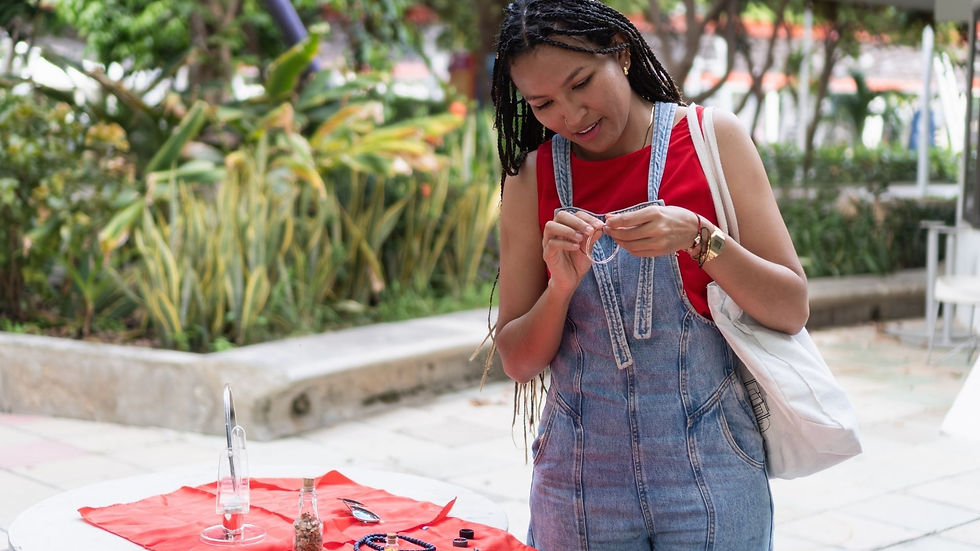
Guiding Question: How can we start and manage a small business?
Subjects: Math, Economics, Writing
Skills Practiced: Money management, planning, persuasive communication
End Result: A simple market day where students sell their products
How to Review Progress: Calculate earnings and write a short reflection about what worked and what didn’t
Children often say, “I could sell this,” and this project takes that idea seriously.
Start by asking what they could realistically make or offer. Younger children might create bookmarks, painted rocks, or simple crafts. Older students can think bigger, such as baked goods, handmade cards, or small service ideas like organizing books.
Next comes planning: what materials are needed? How much will they cost? Older students can calculate total expenses and decide on a price. Younger ones can practice counting money and labeling items clearly.
Writing plays a role, too. Students create short product descriptions or small signs explaining why someone should buy their item. This builds confidence in presenting ideas.
When market day arrives, keep it simple; invite family members, friends, or other homeschoolers. Provide play money for younger learners if needed, and let students handle transactions as much as possible. Afterward, sit down together and review the results. Did they make a profit? Did they price items too high or too low? What would they change next time?
For parents and educators, this activity combines math, communication, and responsibility in one experience. Children see that earning money involves effort, planning, and thoughtful decisions.
Most importantly, they experience both success and small mistakes in a safe setting. Those lessons are often remembered far longer than anything written in a workbook.
Here’s how you can apply these examples:
Start With a Real-Life Situation
Connect the Project to Core Subjects
Break the Work Into Clear Phases
Use Simple, Available Materials
Guide With Questions, Not Answers
Keep Practical Records
Share Results and Reflect Together
These six examples show that problem-based learning doesn’t require complexity, just a real question, steady guidance, and the willingness to let children think things through.
Let’s explore how TSHA’s American Emergent Curriculum (AEC) provides ready-to-use tools and support to bring these projects to life at home or in a micro-school.
How The School House Anywhere (TSHA) Supports Problem-Based Learning
Implementing problem-based learning examples can feel overwhelming if you build everything from scratch.

The School House Anywhere (TSHA) provides a structured program designed for homeschool families, micro-schools, and education entrepreneurs.
TSHA delivers the American Emergent Curriculum (AEC), a hands-on, secular curriculum developed for Pre-K to 6th-grade learners. AEC integrates subjects through real-world exploration and storytelling.
With TSHA, families gain access to:
Structured 6-week learning sessions
Custom AEC printable materials and worksheets
An online progress and portfolio management tool
The TSHA Member Site with additional resources
LIVE Educator and Founder gatherings
Live office hours for real-time support
An online support network
TSHA emphasizes non-screen, experiential learning. Children engage actively with materials rather than passively consuming content.
For parents seeking flexibility without sacrificing structure, TSHA offers a complete program grounded in educational excellence.
Learn more about TSHA’s curriculum and explore how it supports hands-on, developmentally aligned learning.
With TSHA’s tools and support in place, implementing problem-based learning becomes easier, more organized, and far more rewarding for both children and educators.
Conclusion
Problem-based learning helps children think, create, and solve real challenges while building confidence and essential skills.
For homeschoolers and micro-schools, TSHA makes it simple to bring these projects to life. With ready-to-use resources, printable materials, progress tracking, and live educator support, you can focus on guiding your child without the stress of planning everything from scratch.
FAQs
1. Is problem-based learning suitable for early elementary students?
Yes. When projects are carefully designed for their age and hands-on engagement, young learners can naturally explore, experiment, and make connections. These activities support early literacy, basic math, and social skills while keeping learning playful and tangible. With guidance, children gain confidence in solving problems and expressing ideas from an early age.
2. How do homeschool parents assess problem-based learning?
Parents can track progress using skill-based rubrics, reflection journals, and portfolio documentation to capture growth across subjects. Observing children in action, noting how they approach challenges, and reviewing their completed work gives a complete picture of learning. This method highlights skills such as critical thinking, creativity, and responsibility in ways that traditional tests cannot.
3. Can micro-schools use problem-based learning effectively?
Absolutely. Micro-schools thrive on small-group collaboration, making PBL a natural fit. Projects integrate multiple subjects, allowing students to learn math, science, literacy, and social skills simultaneously. Teachers can adjust the difficulty and provide personalized support, ensuring every child benefits while fostering teamwork and independent thinking.
4. Does problem-based learning meet state requirements?
Yes, when projects are mapped to relevant state standards and documented carefully. Using journals, progress trackers, and completed project records ensures alignment with educational regulations. This approach not only satisfies compliance but also provides a rich record of learning that demonstrates growth over time.


Comments