Homeschool Lesson Plans for 4-Year-Olds: A Practical Guide Plus 4 Ready-to-Use Weekly Plans

If you are homeschooling a 4-year-old, or about to start, you have probably already asked yourself some version of the same question: Am I doing enough? Is this the right way to do it?
What are they even supposed to be learning at this age?
Those questions are completely normal. And the honest answer is that homeschooling a 4-year-old is much simpler than the internet makes it look. You do not need a strict schedule, expensive materials, or hours of structured lessons every day.
What you do need is a loose plan, a handful of good activities, and the confidence to follow your child's lead. This guide gives you all three. You will get a clear picture of what to teach, how to structure your days, and four themed weekly lesson plans you can start using this week.
Key Takeaways
Homeschool lesson plans for 4-year-olds should prioritize play-based learning, where everyday activities like storytelling, sorting, and outdoor exploration drive real skill development.
You do not need long study hours or rigid schedules; short, engaging activities across the day are enough to build early literacy, math, and motor skills.
A theme-based approach helps combine subjects naturally, making it easier to plan and more meaningful for young children to understand concepts.
Hands-on, screen-free activities support stronger cognitive and emotional growth compared to passive learning methods at this age.
Flexibility matters more than perfection. Adapting plans based on your child’s interests keeps learning consistent, enjoyable, and effective.
What Should a 4-Year-Old Be Learning at Home?
Before you build any lesson plan, it helps to know what is actually developmentally appropriate for a 4-year-old. This age group learns best through imagination, hands-on exploration, storytelling, and real-world experiences. Sitting down for long academic sessions is not just unnecessary at this stage; it works against how their brains are wiring themselves right now.
Research note: A 2022 meta-analysis published in Child Development (Skene et al., PEDAL Research Center, University of Cambridge) reviewed 39 studies across nearly 4,000 children aged 1 to 8. Guided play consistently outperformed direct instruction on early math skills, shape knowledge, and task switching. For children under 8, purposeful play is not a break from learning. It is the most effective form of learning available. |
Here is a simple table of what is appropriate now versus what can wait:
What Works Well at Age 4 | What Can Wait |
Letter recognition (not full reading) | Formal phonics lessons or reading programs |
Counting objects up to 10 to 20 | Addition, subtraction, or number operations |
Sorting, shapes, and simple patterns | Abstract math on worksheets |
Listening to stories and retelling them | Independent silent reading |
Drawing, cutting, and painting | Structured handwriting practice |
Nature walks and sensory exploration | Long sit-down sessions |
Imaginative and pretend play | Tests or formal assessments of any kind |
The takeaway is simple. Activities like sorting rocks, watering plants, building block towers, and acting out stories are not "just play" at this age. They are exactly how a 4-year-old's brain grows.
Which Subjects Should You Cover and How?

You do not need a different curriculum for every subject. At 4, subjects naturally overlap. A garden project can teach science, math, and language all at once. Here is how to think about each area and what activities actually work at this age.
Early Literacy
The goal is not to read yet. It is building the foundation that makes reading easier later.
Read aloud together every single day, even 15 minutes makes a difference
Talk through stories: what do you think happens next? Why did the character do that?
Introduce letters through play: foam letters in a sensory bin, tracing in sand, alphabet puzzles
Tell stories together, make them silly, and let your child lead the plot
Sing rhyming songs and play with words regularly
Early Math
Math at 4 is sensory and concrete. Keep everything hands-on and real.
Count everyday objects: steps, apples, socks, cars in the parking lot
Sort items by color, size, or shape using things already in your home
Identify shapes in real life, not just on paper
Practice simple patterns with blocks, beads, or colored stickers
Introduce measuring: Is this stick longer or shorter than that one?
Fine Motor Skills
This one often gets skipped, but it builds the hand strength and control your child needs for writing later.
Playdough squeezing, rolling, and shaping
Cutting along lines with child-safe scissors
Lacing and threading beads
Using tweezers to transfer small objects from one bowl to another
Drawing, coloring, and painting as often as possible
Science and Nature
Four-year-olds are natural scientists. They just need things to observe, touch, and wonder about.
Start a simple nature journal where your child draws what they see outside
Grow something together, even a single bean in a cup, teaches patience and observation
Do simple experiments: what floats? What dissolves in water? What happens in the sun versus the shade?
Talk about weather, seasons, and animals during everyday moments
Creative Arts
Art at this age is not about the finished product. It builds vocabulary, emotional expression, and fine motor skills all at once.
Painting with different tools: brushes, sponges, fingers, cotton balls
Collage making with paper scraps, fabric offcuts, and recycled materials
Simple crafts tied to whatever theme you are exploring that week
Music, dance, and movement woven into the day
Social-Emotional Learning
This one does not need its own time slot. It runs through everything.
Use books as a starting point for conversations about feelings
Practice taking turns and sharing during games and activities
Give your child small responsibilities: setting the table, caring for a plant
Encourage problem-solving: what could you do differently next time?
How Long Should Homeschool Lessons Be for a 4-Year-Old?
Shorter than you think. A 4-year-old can realistically focus on a single activity for 8 to 15 minutes before needing a change. That means your structured learning time does not need to be a long, unbroken block. Spread it across the day instead.
Activity Type | How Long to Aim For |
Read-aloud time | 15 to 20 minutes |
Hands-on activity (math, science, art) | 10 to 15 minutes |
Fine motor practice | 5 to 10 minutes |
Free or imaginative play | 30 to 60 minutes |
Outdoor time and nature exploration | 20 to 30 minutes |
Total structured learning per day | 60 to 90 minutes |
Morning is usually the best window for structured activities when energy and focus are at their highest. Save free play and outdoor time for later in the day. And remember that free play is not downtime. For a 4-year-old, it is essential learning.
A Simple Daily Routine That Actually Works
A routine gives your day shape without locking you into a rigid schedule. The goal is a predictable order that your child can anticipate, not specific times that stress you both out.
Here is a loose daily rhythm that works well for most 4-year-olds:
Part of the Day | What It Looks Like |
Morning circle | Greet the day: check the weather, talk about the date, sing a song, or read a short poem. |
Structured activity | One focused hands-on activity: math, science, literacy, or fine motor work |
Read-aloud | Sit together with a picture book, no pressure, just reading and talking |
Free play | Unstructured time for imaginative play, building, or creating |
Outdoor time | Outside for nature observation, physical movement, or backyard exploration |
Creative or art time | Painting, crafting, or drawing, loosely tied to the week's theme |
Wrap-up | A short moment to reflect: what did we do today? What was your favorite part? |
You do not have to follow this exactly. If your child is deep in a project during free play, let them stay there. If they want to go outside before the read-aloud, go outside. The routine is a guide, not a contract.
4 Themed Weekly Lesson Plans for 4-Year-Olds (Ready to Use)

Now that you have the foundation, here are four complete themed weekly lesson plans you can pick up and use right now. Each plan covers all the core subjects across five days using simple materials, most of which you already have at home.
Use one plan per week and cycle through all four across a month. Or pick the theme that fits your child's current interests and start there. Every plan is flexible. Swap days around, skip an
activity, or let a single idea run longer if your child is into it.
Plan 1: All About Animals
Animals are one of the most natural entry points for 4-year-old learning. They spark curiosity across every subject and give you endless directions to explore. This plan works especially well if your child already loves a particular animal or has a pet at home.
Day | Focus Area | Activities | Time |
Monday | Language and Literacy | Read an animal picture book together. Ask your child to retell the story in their own words. Draw their favorite animal and label it together (you write the letters, they trace or copy). | 20 min |
Tuesday | Early Math | Sort a collection of plastic animals or animal pictures by type, size, or color. Count how many are in each group. Line them up from smallest to biggest. Introduce simple tallying on paper. | 15 min |
Wednesday | Science and Nature | Pick one animal to explore in depth. Where does it live? What does it eat? Draw a simple habitat together. If possible, observe a real animal: a bird at a feeder, a bug in the garden, or a pet. | 20 min |
Thursday | Creative Arts | Make an animal using paper bags, paper plates, or recycled materials. Let your child choose the animal. Focus on the process and conversation, not the finished result. | 20 min |
Friday | Review and Storytelling | Ask your child to tell you everything they remember about animals this week. Draw their favorite together. Make up a short story starring that animal and act it out. | 15 min |
Materials needed: animal picture books, plastic toy animals or magazine pictures, paper, crayons, paper bags or cardboard for the craft, glue, and child-safe scissors.
Plan 2: Growing Things
This theme works because it is slow enough for a child to observe real change over time, hands-on enough to stay engaging, and rich enough to cover science, math, language, and art in one week. Plant a bean or sunflower seed in a clear cup on Monday and check in on it throughout the week.
Day | Focus Area | Activities | Time |
Monday | Science and Observation | Plant a bean seed in a clear plastic cup with soil. Talk about what seeds need to grow. Draw the seed in a nature journal and predict what it will look like by Friday. | 20 min |
Tuesday | Early Math | Measure the cup using blocks or a simple ruler. Count how many seeds you planted. Sort a collection of seeds by size. Introduce more and less using different seed quantities. | 15 min |
Wednesday | Language and Literacy | Read a book about plants or gardens. Name the parts of a plant together: roots, stem, leaves, and flower. Label a simple drawing. Use those words naturally throughout the rest of the day. | 20 min |
Thursday | Creative Arts | Create a collage garden using torn paper, tissue paper, and paint. Let your child design it however they want. Talk about colors, shapes, and what they would plant in a real garden. | 20 min |
Friday | Observation and Reflection | Check the seed cup. Has anything changed? Draw what they see now and compare it to Monday's drawing. Talk about what helped it grow and what it needs next. | 15 min |
Materials needed: clear plastic cups, potting soil, bean or sunflower seeds, nature journal or blank paper, books about plants (library), tissue paper, torn colored paper, glue, paint, and a magnifying glass if available.
Plan 3: My Neighborhood
This theme grounds learning in your child's immediate world, which is one of the most powerful things you can do at this age. It creates natural opportunities to go outside, observe real things, and talk about community in a way that actually means something to your child.
Day | Focus Area | Activities | Time |
Monday | Language and Literacy | Walk around your neighborhood together. Point out signs, storefronts, and street names. Come home and draw one thing they noticed. Talk about who lives and works nearby. | 25 min walk and 10 min drawing |
Tuesday | Early Math | Draw a simple map of your street or block together. Count how many houses or buildings you can see. Identify shapes in the buildings around you. Mark your home with a star. | 20 min |
Wednesday | Science and Observation | Look for living things in the neighborhood: trees, birds, insects, dogs, and flowers. Talk about how they are different from buildings and cars. Sort pictures of living versus non-living things. | 20 min |
Thursday | Creative Arts | Build a neighborhood scene using cardboard boxes, blocks, or paper folded into buildings. Add roads, trees, and people. This is a great activity to return to in shorter bursts across the afternoon. | 20 to 30 min |
Friday | Social-Emotional Learning | Talk about the people in your neighborhood. What do they do? How do they help each other? Make up a story about a character who lives nearby. Draw that character together. | 20 min |
Materials needed: comfortable shoes for the walk, blank paper and crayons for mapping and drawing, cardboard boxes or paper rolls for building, pictures of neighborhood scenes from magazines or printed images.
Plan 4: Weather and Seasons
Weather is something your child already notices every single day, which makes it a powerful teaching anchor. This theme works in any season, costs nothing, and gives you easy hooks for science, math, and language without any special materials.
Day | Focus Area | Activities | Time |
Monday | Science and Observation | Start a simple weather chart for the week. Each morning, look outside and record the weather together: sunny, cloudy, rainy, or windy. Talk about what causes each type. | 10 min daily, 15 min intro on Monday |
Tuesday | Early Math | Using the weather chart, count how many sunny, cloudy, or rainy days you have had. Make a simple bar graph by coloring boxes on paper. Talk about which type has the most so far. | 15 min |
Wednesday | Language and Literacy | Read a book about the weather or seasons. Draw all four seasons on one page together and label them. Talk about what changes between seasons and which one your child likes best. | 20 min |
Thursday | Science Experiment | Try a water evaporation experiment. Put a small puddle of water on the pavement in the sun and another in the shade. Check back in an hour. Which dried faster and why? | 10 min setup, then observe throughout the day |
Friday | Creative Arts and Review | Make a weather wheel from a paper plate divided into four sections. Add a paper arrow with a brad fastener. Use it every morning next week to record the day's weather. | 20 min |
Materials needed: blank paper for the weather chart and bar graph, crayons or markers, a paper plate and brad fastener for the weather wheel, a weather or seasons picture book from the library, and a shallow dish or cup for the evaporation experiment.
Why Hands-On Learning Beats Screens at This Age
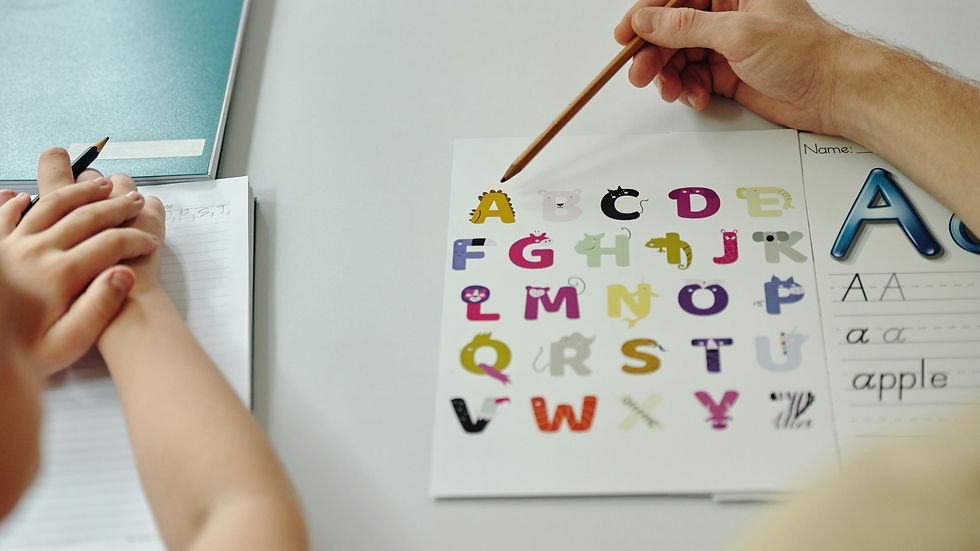
You may notice that none of the four plans above include a tablet, an app, or an educational video. That is a deliberate choice, and it is worth explaining why, especially because so many "educational" resources for this age are screen-based.
According to the National Institute for Early Education Research (NIEER), high-quality early childhood programs built around active, hands-on learning are consistently linked to stronger literacy, math, and social outcomes than programs where screen-based activities replace physical interaction with materials and people.
At 4, your child's brain is wiring itself through physical experience: touching the soil, smelling the rain, sorting real objects, building something with their hands. These experiences create neural connections that watching a video about the same topic simply does not replicate.
Here are some practical swaps if you are used to reaching for a screen during learning time:
Instead of This Screen Option | Try This Hands-On Alternative |
Alphabet learning app | Foam letters in a tray of rice or sand |
Counting video | Counting real objects around the house |
Nature documentary | A walk outside with a magnifying glass |
Digital drawing app | Watercolors or crayons on blank paper |
Educational cartoon | A read-aloud followed by acting out the story |
Your child might push back at first if screens are already part of the routine. Give it a few days. Most 4-year-olds quickly find hands-on activities more engaging once they are fully immersed.
What to Do When Your 4-Year-Old Refuses to Do the Lesson
You will have days when you set everything up, and your child wants absolutely nothing to do with it. Before you spiral into thinking you are failing at this, know that this is one of the most common experiences homeschool parents of 4-year-olds describe.
Here is what usually works:
Follow their pull: if they want to play with water, do the science experiment from later in the week. If they want to draw, shift to the creative arts activity. Keep the theme, change the activity.
Change the setting: take whatever you were going to do outside. Chalk on the pavement, sorting leaves, drawing on the steps. A change of scenery quickly resets most 4-year-olds.
Shorten the ask: instead of a 15-minute activity, offer 5 minutes. Getting started is usually the only real barrier.
Let them teach you: ask your child to show you something they already know. "Can you teach me how to count to 10?" They will often surprise you, and it builds confidence for the next activity.
Take a full day off: sometimes the right move is to put the plan away entirely. A 4-year-old who spends all day in imaginative play is still learning. Rest is part of the curriculum at this age.
The lesson plan is there to give your day shape, not to push your child through a checklist. If the plan is creating friction, adjust it until it stops.
How TSHA Takes the Planning Off Your Plate

Building lesson plans from scratch every week takes time that most homeschool parents simply do not have. If you want this kind of structured, hands-on, theme-based planning already done for you, TSHA's American Emergent Curriculum (AEC) is built to do exactly that.
AEC is a secular, play-based curriculum designed for Pre-K through 6th grade. It connects subjects through real-world themes rather than treating them as isolated topics, which is exactly how 4-year-olds learn best. Every theme, every activity, and every resource is already organized for you.
When you enroll with TSHA, you get:
Packaged 6-Week Sessions: Structured themed modules so you are never starting from scratch
Custom AEC Printable Materials and Worksheets: Designed to support hands-on learning, not replace it
Online Progress and Portfolio Management Tool: Simple tracking to meet state requirements without the paperwork overwhelm
TSHA Member Site Access: A dedicated portal with additional resources and community tools
LIVE Educator and Founder of Online Gatherings: Weekly sessions to ask questions and stay connected
Live Scheduled Office Hours: Real-time support whenever you need it
Online Social Media Network and Community Support: Other families on the same path, ready to share ideas and encouragement
TSHA is built for parents who want a real, structured program that prioritizes non-screen, hands-on learning without leaving you to figure everything out alone.
Start with One Week and Build From There
You do not need the whole year planned before you begin. Pick one of the four lesson plans above that feels right for your child's interests right now, gather the materials, and see how the week actually goes.
You will learn more about how your child learns in one real week of homeschooling than in any amount of reading about it. Let that first week teach you. Adjust from there.
Ready for a program that handles all the planning for you? Explore TSHA and the American Emergent Curriculum at TSH Anywhere. Register as a Parent or Educator and get everything you need to teach your 4-year-old with confidence.
Frequently Asked Questions
Q. What subjects should a 4-year-old cover in homeschool?
Focus on early literacy (read-alouds and letter recognition), early math (counting, sorting, shapes, and patterns), fine motor skills, science and nature exploration, creative arts, and social-emotional learning. At this age, subjects naturally overlap in a single activity, so you are rarely teaching just one thing at a time.
Q. How many hours a day should a 4-year-old homeschool?
About 60 to 90 minutes of structured activity spread across the day is enough. This includes read-alouds, hands-on tasks, and short, focused activities. The rest of the day should be filled with free play and outdoor time, both of which are genuinely educational for this age group. Do not feel pressure to fill more hours than that.
Q. Do I need to buy a formal curriculum for a 4-year-old?
Not necessarily. The four lesson plans in this guide use mostly household materials and library books. That said, a structured program like TSHA's AEC removes the weekly planning burden and ensures you cover all developmental bases in a sequenced, intentional way. It depends on how much time you have for planning and how much structure you want.
Q. Is play-based learning really effective at age 4?
Yes, and research strongly backs this up. A meta-analysis in Child Development (Skene et al., 2022, University of Cambridge) found that guided play outperformed direct instruction for early math skills, shape knowledge, and task switching in children under 8. Purposeful play is not a break from learning at this age. It is the most effective form of learning available.
Q. What if my 4-year-old refuses to do the planned activity?
Follow their lead rather than forcing the plan. Shift to a different activity from the same week's theme, change the setting, shorten the activity to just 5 minutes, or take a free play day entirely. A child who is resistant is telling you something. The goal is curiosity and confidence, not compliance with a schedule.


Comments